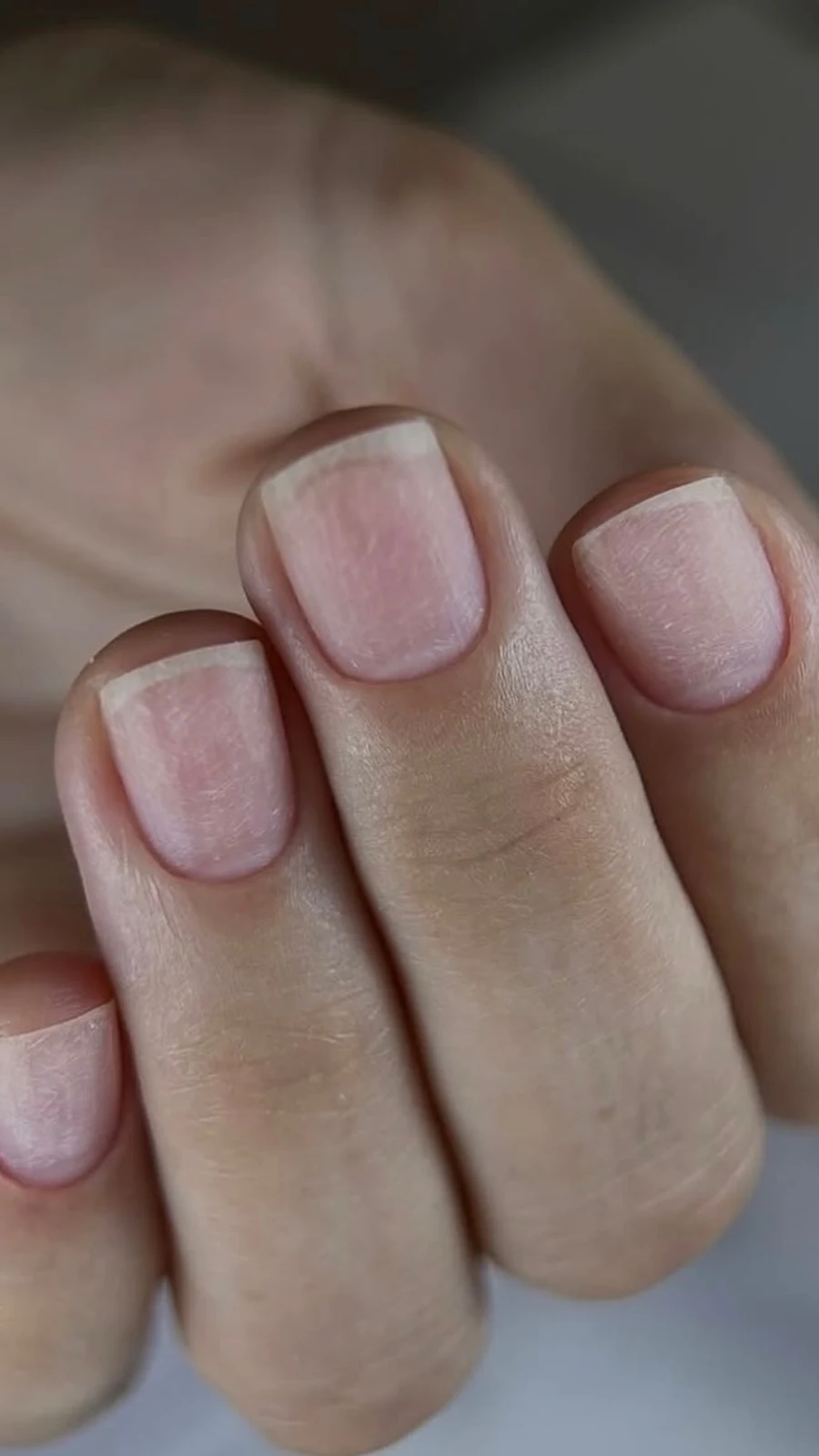
Your Hands Do Everything. Your Nails Just Ask for Two Minutes a Day
Your nails are the quietest part of your hands. They don’t complain when you type all day, open packages with them, wash dishes without gloves, or pick at a loose edge while you’re thinking about something else entirely. They just get on with it — until one day they don’t. A nail splits halfway down. The edges peel like old paint. A cuticle turns red and sore. And suddenly you’re staring at your hands wondering when they stopped looking after themselves.
Here’s the truth nobody tells you at the salon: healthy nails are not made in a salon. They’re made in the small, boring moments — the thirty seconds at the sink, the drop of oil before bed, the gloves you reach for before the washing-up. None of it is glamorous. All of it works.
This guide is built around your actual day, not a fantasy routine. Morning, midday, evening, and one quiet weekly reset. No ten-step programme, no expensive serums, no jargon. Just the habits that keep nails clean and strong, the tools that earn their place in the drawer, and the fixes for the problems most of us already have.
First, Why Clean Nails Are About More Than Looking Good
It is easy to file nail care under vanity. It isn’t. Your nails are small shields for your fingertips, and the space underneath them is one of the easiest places on your body for dirt and bacteria to hide. You wash your hands all day — but if you never clean under the nails, you’re washing around the problem.
Dirty nails are also a slow problem. Moisture trapped under a nail, a tiny cut at the cuticle, a tool shared without cleaning — any of these can turn into an infection or a fungal issue that takes months to clear. The unglamorous truth is that most nail problems are not bad luck. They are the bill arriving for habits nobody taught us to notice.
There is a nicer side to it, too. Clean, smooth nails change how your hands feel in the world: handshakes feel firmer, typing feels easier, and a bare, glossy nail looks just as finished as a painted one. You don’t need perfect nails. You need consistent ones.
Morning: The Two-Minute Wash That Changes Everything
Start at the sink, not at the salon
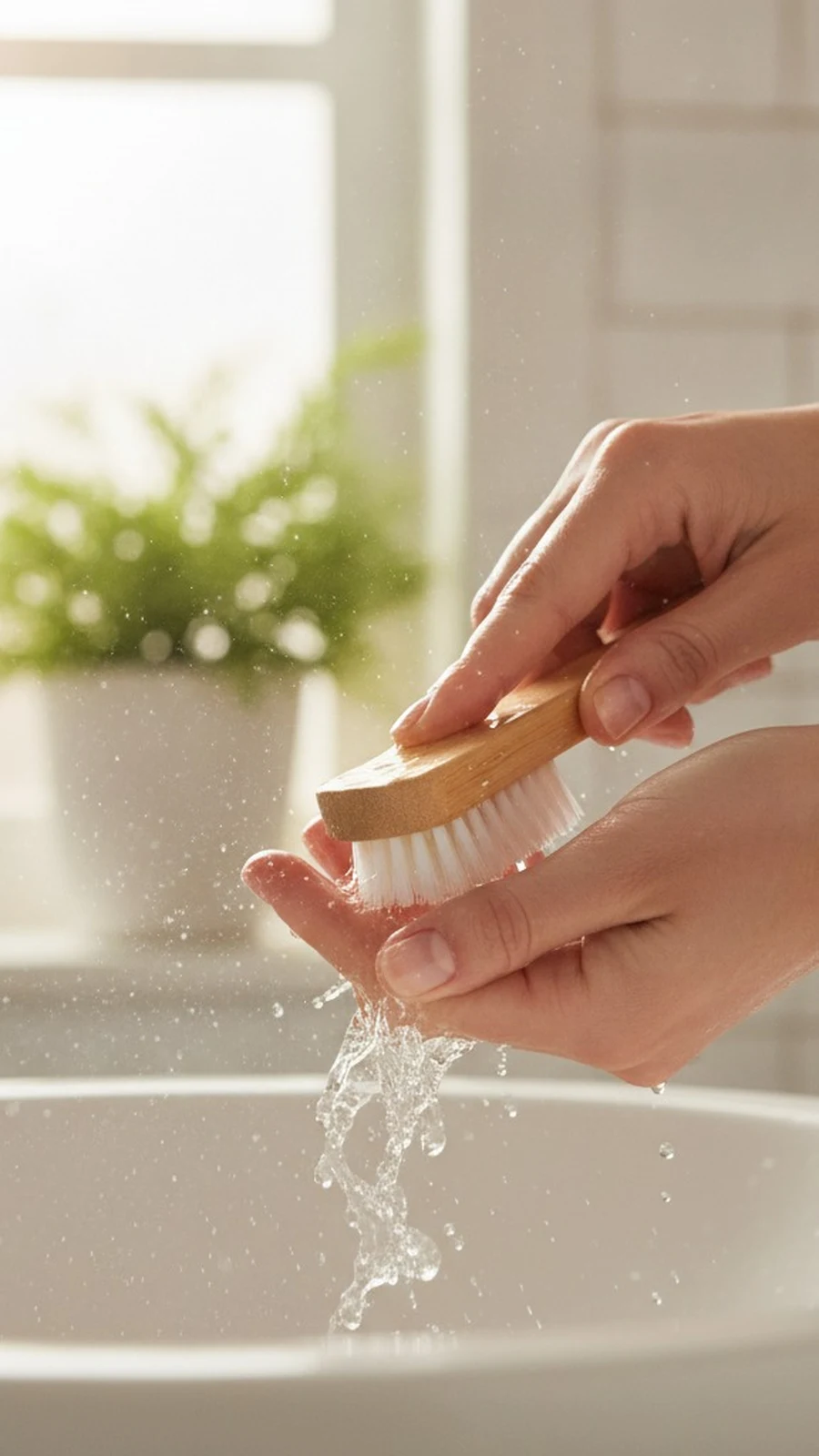
Every good nail day starts with water, soap and ten seconds of attention most of us skip. When you wash your hands in the morning, don’t just lather the palms. Turn your hands over, let the soapy water run under the free edge of each nail, and give the undersides a gentle scrub with a soft nail brush — an old toothbrush works just as well.
This is the single most effective thing in this whole guide, and it costs nothing. Dirt, lotion residue, yesterday’s polish dust and the general grime of living all collect under the nail, where a quick rinse never reaches. A soft brush gets it out without scratching the nail plate or irritating the skin underneath. Do it every morning and again after gardening, cooking, cleaning or handling pets, and you’ll be amazed how much cleaner your nails look before you’ve done anything else at all.
Additional Information: Keep a small nail brush by the bathroom sink so you actually use it — if it’s in a drawer, it may as well not exist. Use warm water and a gentle soap; harsh antibacterial soaps dry out the nail and the skin around it. Scrub lightly — you’re cleaning, not sanding. If your nails are long, pay extra attention to the underside, where debris collects fastest.
Moisturise like it’s skincare — because it is
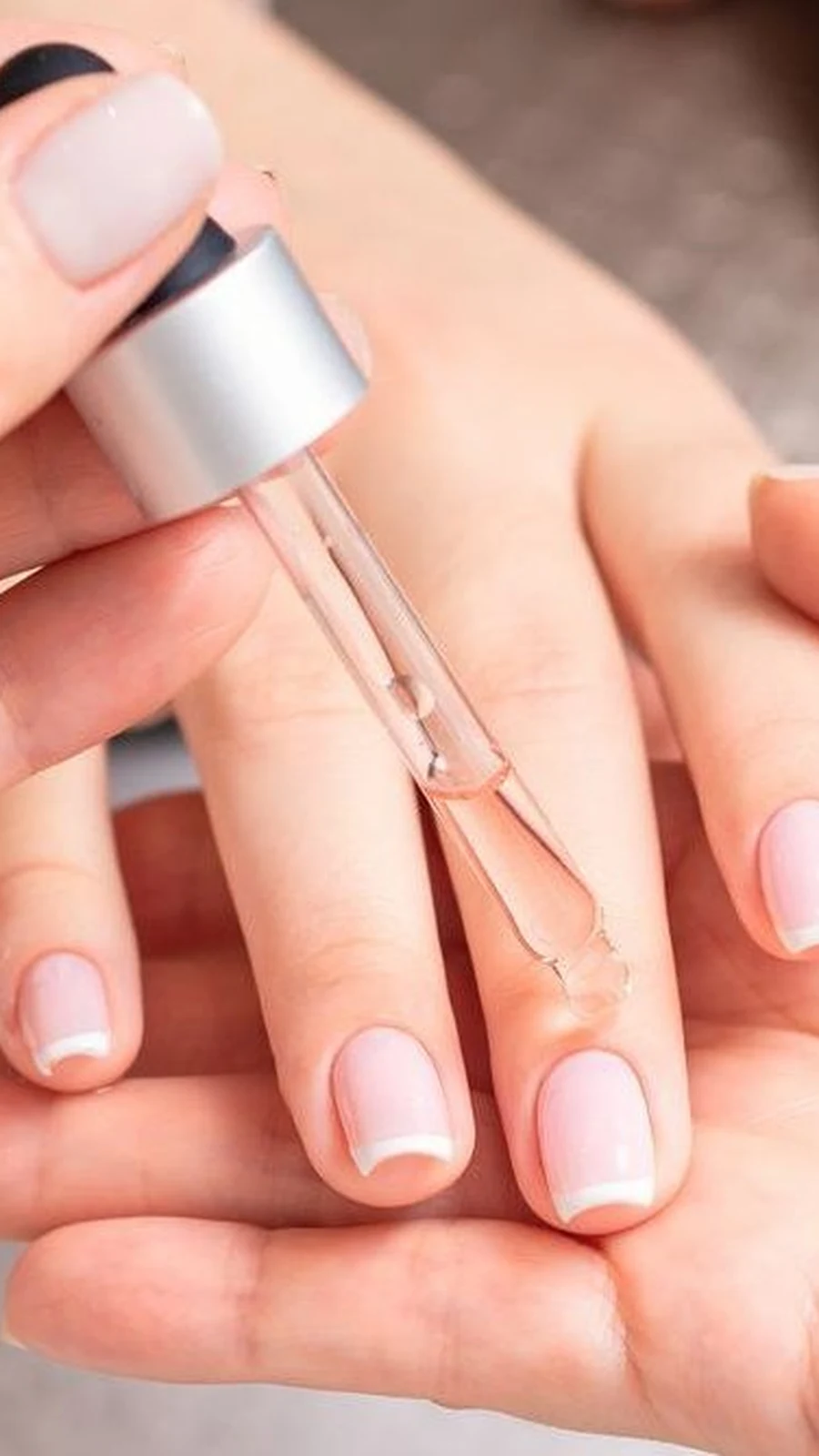
Right after washing, while your hands are still slightly damp, put on hand cream. Then go one step further and massage a drop of cuticle oil into each nail bed. Jojoba oil and vitamin E oil are the classics for a reason: they sink in, they don’t sit greasy, and they keep the cuticle supple so it can do its job — sealing out bacteria and moisture.
Dry cuticles are where most nail trouble starts. A dry cuticle cracks, a cracked cuticle lets in germs, and a germ in the nail fold becomes a sore, red, swollen mess that takes a week to calm down. A drop of oil each morning is cheaper than any of that. Think of it the way you think of moisturiser for your face: not a luxury, just maintenance.
Additional Information: Keep one bottle of cuticle oil by the bed and one in your bag — the habit sticks when the oil is where you already are. A pea-sized amount of hand cream is enough; rub it into the nails and the skin around them, not just the palms. If your cuticles are very dry, a thicker balm at night works better than a light lotion.
Midday: The Hours When Nails Take the Most Damage
Gloves on, worries off
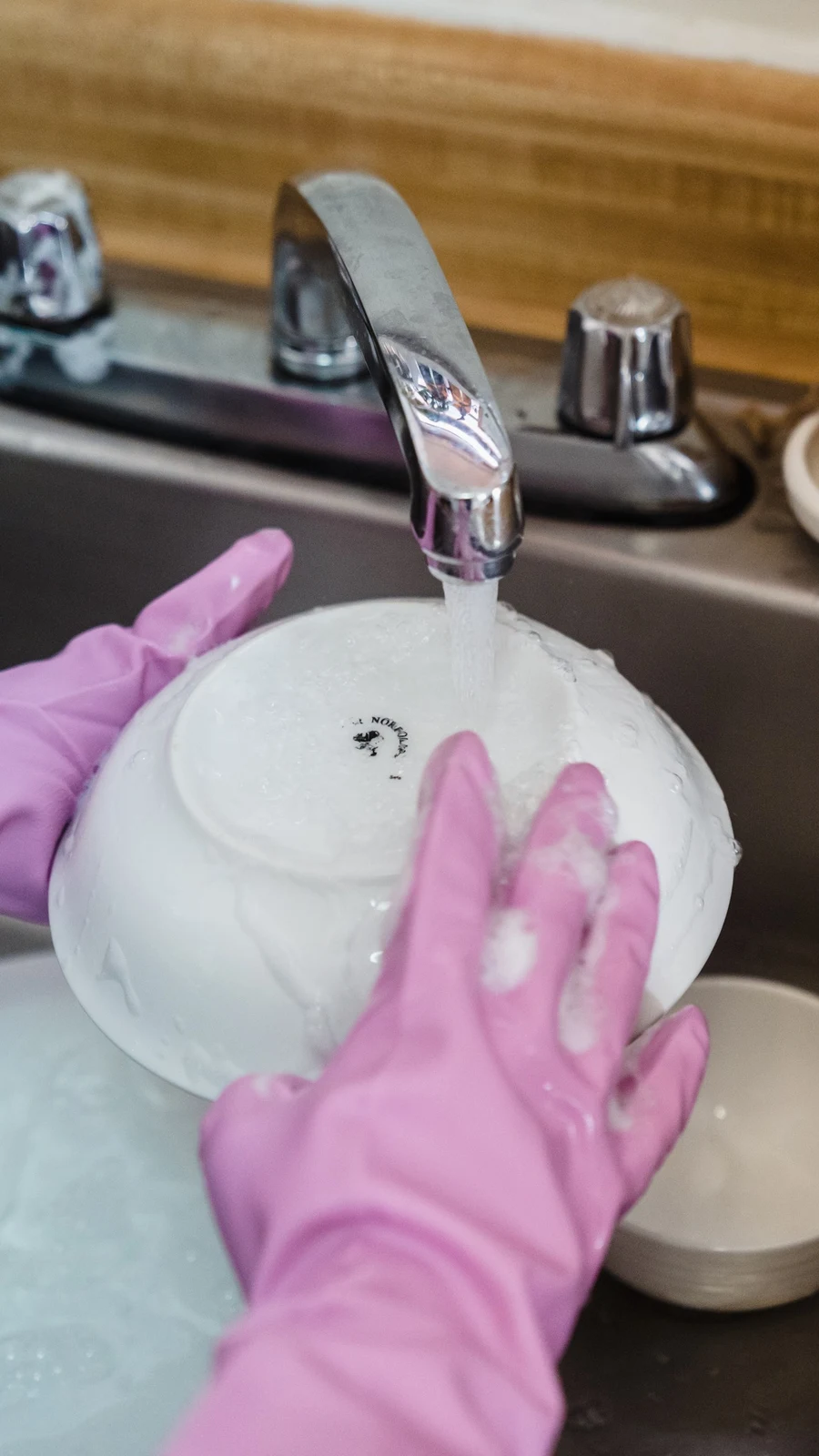
Here’s the habit that saves more nails than any product on this list: wear gloves for wet work. Water is the quiet enemy of strong nails. Soak a nail in water and it swells; let it dry and it contracts. Do that ten times a day — dishes, laundry, mopping, wiping counters — and the nail plate weakens, lifts at the edges and starts to peel. Add detergent, bleach or even natural cleaners like vinegar, and you’re stripping the nail’s natural oils at the same time.
Rubber gloves for dishes and cleaning are not old-fashioned. They’re the single best investment in nail health you can make, and they cost less than a coffee. Cotton gloves underneath stop the sweating that makes rubber gloves uncomfortable, and they double as protection when you’re gardening or handling anything rough. Your nails will feel the difference within two weeks.
Additional Information: Keep a pair of rubber gloves under the kitchen sink and another pair where you keep cleaning supplies, so reaching for them is easier than skipping them. If gloves feel awkward at first, give it a week — most people stop noticing them by day three. For gardening, thicker gloves protect against soil packed under the nails, which is one of the fastest ways to stain and irritate the nail bed.
The biting habit, and what to do instead
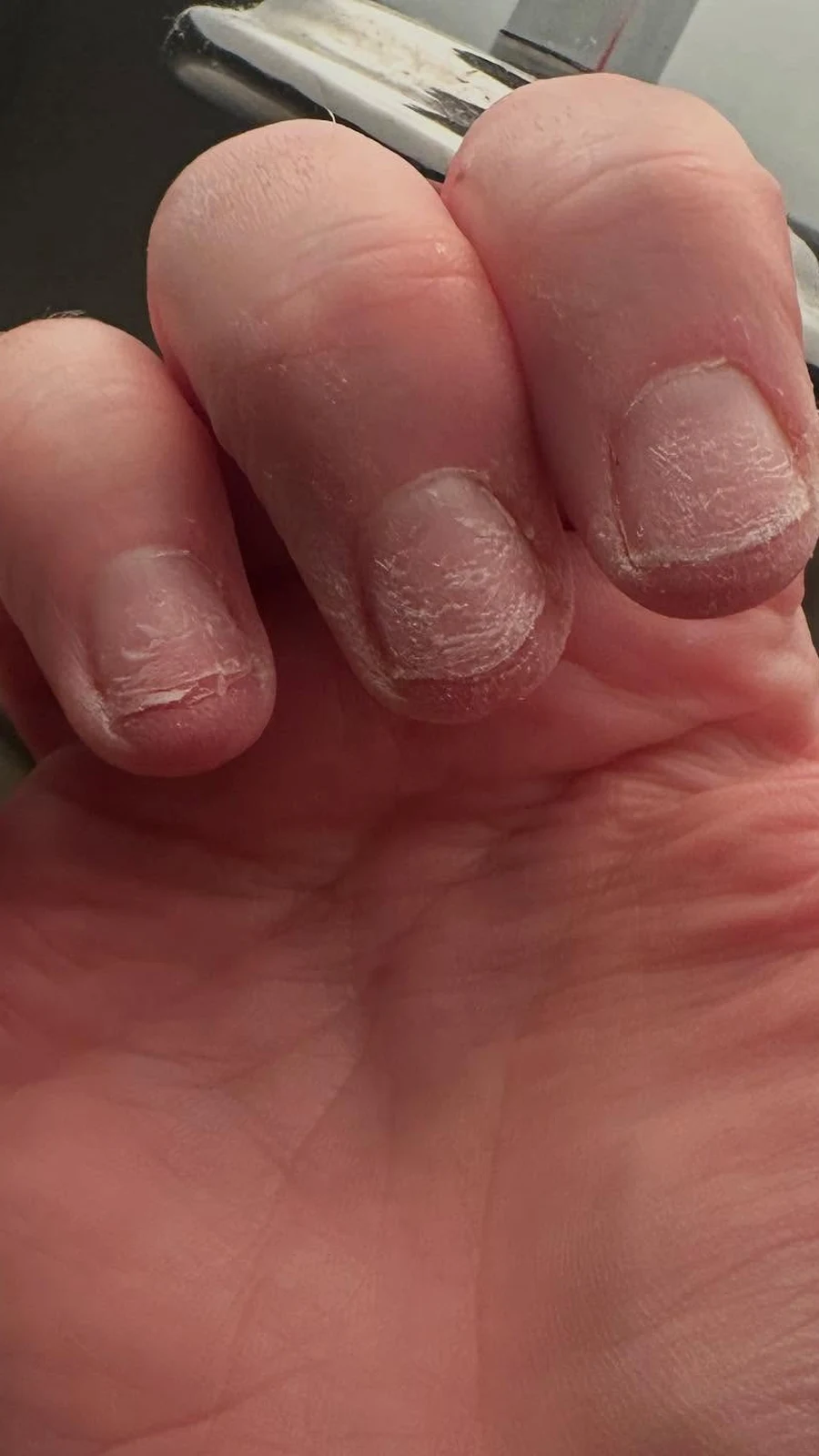
Let’s talk about the habit almost nobody admits to and almost everybody has done: biting, picking and peeling. It feels harmless — a rough edge, a bit of loose polish, a nail you’re worrying at while you think. But every bite damages the nail bed, tears the cuticle and opens a door for infection. Picking at gel or polish is worse: it peels away layers of the natural nail underneath, leaving it thin, bendy and sore for weeks.
If you bite when you’re stressed or bored, you don’t need willpower — you need a replacement. A bitter-tasting polish works for some people. For others, it’s keeping nails short and filed smooth so there’s nothing to catch on, or keeping a stress ball, a fidget ring or a bottle of cuticle oil nearby so your hands have something else to do. The goal isn’t perfection. It’s noticing the moment your hand drifts to your mouth and giving it a different job.
Additional Information: Trim nails short while you’re breaking the habit — shorter nails give your teeth less to grab. Keep a nail file in your bag so a snag gets filed instead of picked. If biting is tied to anxiety, the habit often fades once the trigger is named; be patient with yourself, and celebrate the weeks your nails grow out untouched.
Evening: The Wind-Down Your Nails Deserve
Take polish off properly — never peel it
Evening is when most nail damage actually happens, and it happens in the armchair: you notice a chip, you catch an edge, and before you know it you’ve peeled a whole nail’s worth of polish off in one satisfying strip. It feels great. It also takes a layer of your natural nail with it, every single time.
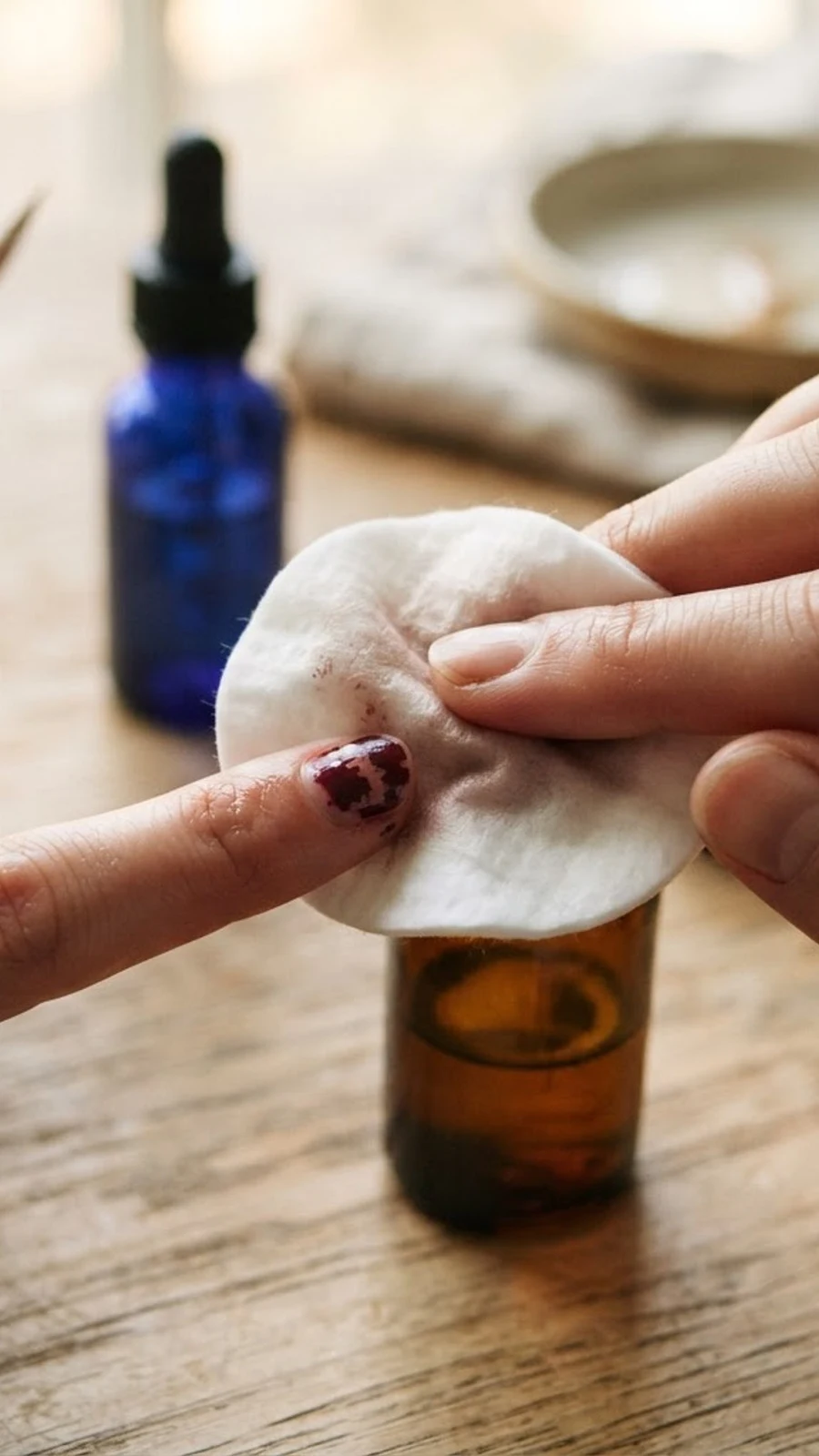
Soak polish off instead. For regular polish, hold an acetone-free remover pad on each nail for a few seconds and wipe — no scrubbing, no scraping. For gel, use the foil-wrap soak method or go to a salon; peeling gel off is the number one cause of thin, damaged nails after a gel set. Give your nails a night or two bare between sets, with cuticle oil, and they’ll thank you by not splitting.
Additional Information: If you use dark polish, a base coat prevents staining, and a remover with a little added oil is kinder than pure acetone. After removal, wash your hands and moisturise — remover dries the nail plate out, and the oil you put back in afterwards is what keeps it flexible. Never use a metal tool to scrape polish off; a wooden stick is gentler, and patience is gentlest of all.
The night-time drop that does the heavy lifting
If you only adopt one habit from this guide, make it this one: a drop of cuticle oil on every nail before bed. Night is when your nails do their repair work, and oil gives them something to work with. Massage it in slowly — thirty seconds for both hands, a small ritual that signals the day is done.
This is also the moment to look at your nails properly. Are the edges smooth? Is a cuticle catching? Is one nail shorter than the rest? A quick look each night means you catch problems when they’re small — a snag filed before it becomes a split, a dry patch oiled before it becomes a crack.
Additional Information: Keep the oil on your bedside table, not in the bathroom, so it’s the last thing you touch at night. Jojoba oil absorbs fastest; sweet almond oil is a good budget alternative. If your hands are very dry, follow the oil with a thick hand cream and thin cotton gloves overnight once a week — you’ll wake up to noticeably softer hands.
The Weekly Reset: Fifteen Minutes, Once a Week
Trim smart, file smarter
Once a week, give your nails a proper trim. Keep them short enough to stay strong — long nails look lovely but they catch, bend and break far more easily. Trim straight across with sharp clippers, leaving a little length, then shape the corners gently with a file. Never cut them so short they hurt; the nail should end just past the fingertip.
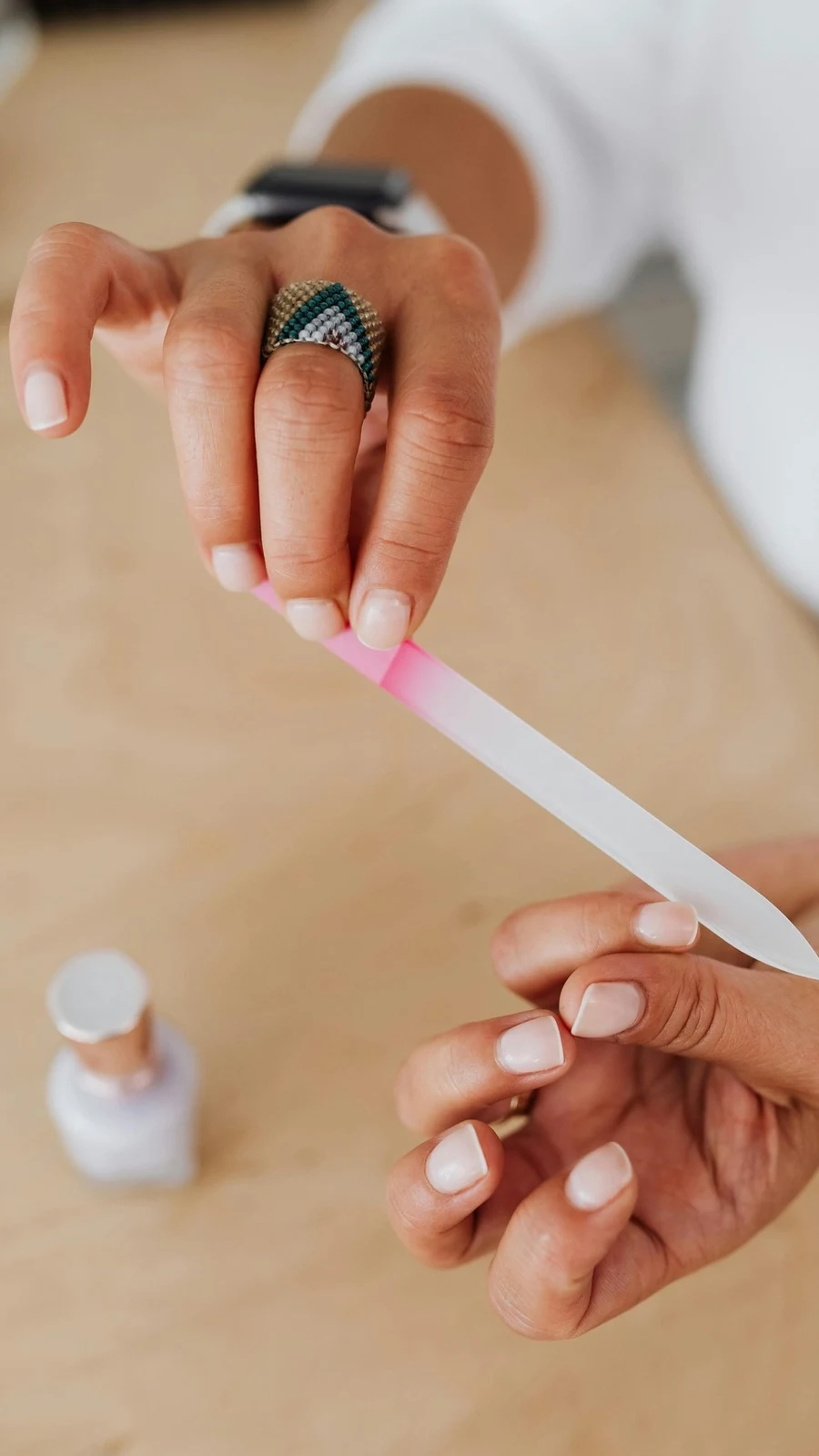
Filing is where most people go wrong. Don’t saw back and forth — that frays the edge and causes splitting. File in one direction, slowly, with a fine-grit or glass file, and finish by running the file under the tip to smooth it. A glass file is worth the small price: it seals the edge instead of tearing it, and it lasts for years.
Additional Information: Clean your clippers with rubbing alcohol after each use — shared or dirty tools are a common source of infection. If you have toenails to trim too, use a separate, larger clipper and cut straight across, slightly longer than the fingertip, to avoid ingrown toenails. File toenails the same one-direction way, and never round the corners aggressively.
Cuticles: push, don’t cut
Your cuticle is not decoration — it’s a seal. It keeps bacteria and moisture out of the nail matrix, where new nail is made. Cutting it breaks that seal, and a broken seal invites infection. So don’t cut your cuticles. Ever.
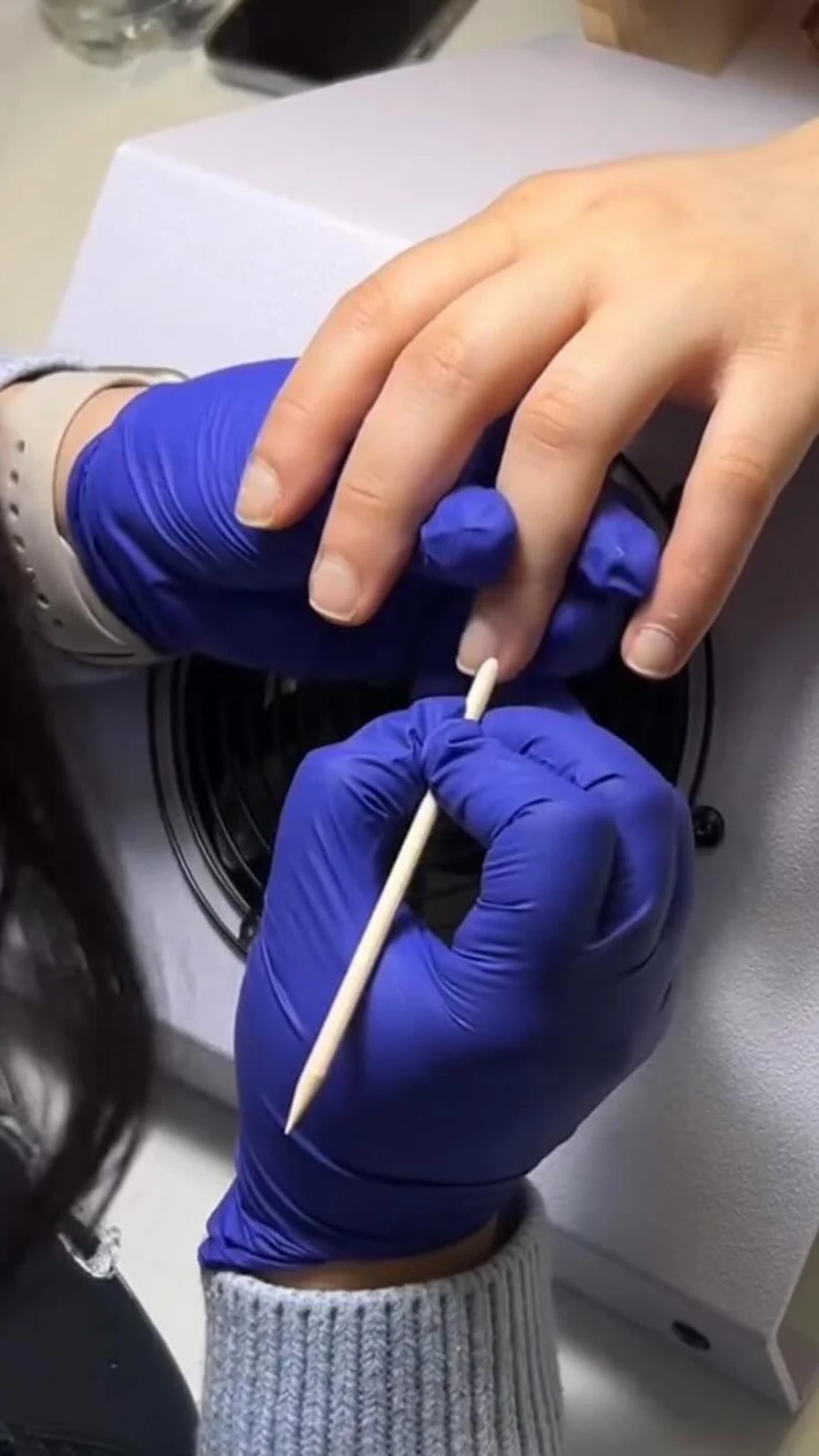
Instead, once a week after a shower or a warm soak, when the skin is soft, gently push the cuticle back with a wooden orange stick or a soft rubber pusher. One light pass, no pressure, no digging. Follow with oil. That’s the whole job. Pushed-back cuticles make the nail look longer and neater without a single cut, and your nails stay protected.
Additional Information: If a cuticle is already ragged, trim only the loose, dead skin — never the live cuticle itself. A warm soak for two minutes softens everything and makes pushing back effortless. If the skin around your nails is red or sore, skip the pushing that week and just oil it; irritated cuticles need rest, not attention.
The toolkit that earns its drawer
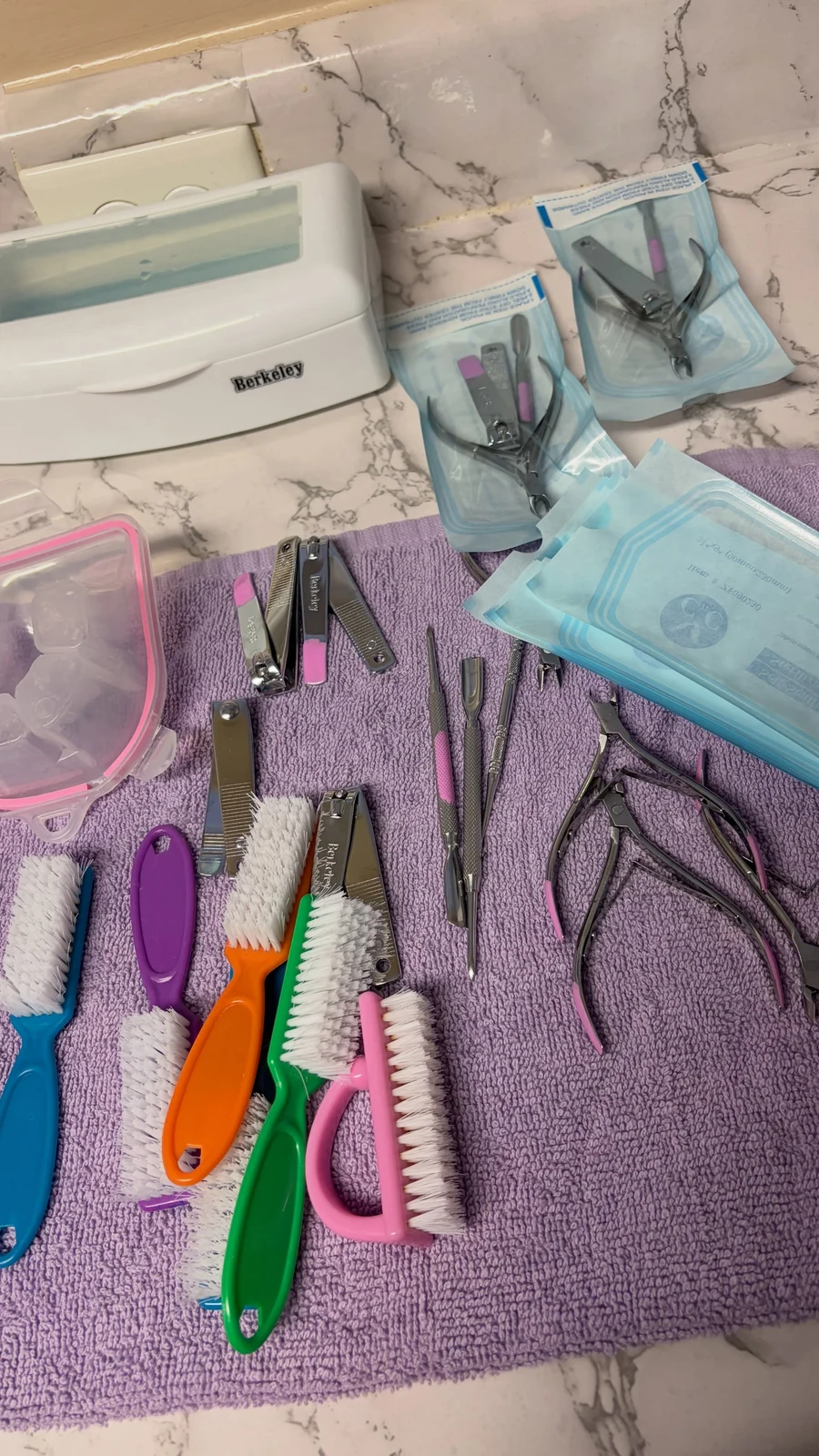
You don’t need a drawer full of gadgets. Five tools, kept clean, cover everything in this guide — and most of them cost less than a single salon visit.
Stainless steel nail clippers — Sharp, precise cuts prevent jagged tears. Look for a slight curve for comfort.
Glass or crystal nail file — Gentler than metal or emery boards. Lasts for years and seals nail edges instead of fraying them.
Cuticle pusher (wood or rubber) — Gently nudges back overgrown skin — no cutting needed.
Four-way nail buffer — One side smooths ridges, another adds a subtle shine. Skip polish for a “your nails but better” look.
Cuticle oil pen — Portable, mess-free hydration. Keep one in your bag, car or desk drawer.
Clean your tools with rubbing alcohol after each use. Bacteria love warm, damp tool drawers, and a dirty file is just a delivery system for it. Never share clippers or files with anyone else — even family. Your nail tools are personal, like your toothbrush.
Additional Information: Store tools dry, in a pouch or a clean box, not loose in a bathroom drawer where they pick up moisture. Replace a glass file only if it chips; replace clippers when they stop cutting cleanly and start tearing. A buffer used once a month is plenty — over-buffing thins the nail plate, so keep it light.
What Your Nails Are Eating
Nails are made of keratin, and keratin is made from what you eat. No amount of oil or filing will fix a nail that’s starving. The good news is that nail-friendly food is ordinary food: eggs, nuts, salmon, sweet potatoes, spinach, beans and whole grains. Biotin, zinc, iron and protein are the nutrients nails notice most, and a normal varied diet covers them.
Water matters too. Dehydrated nails are brittle nails — the same way dehydrated skin flakes. If your nails peel and your lips are always dry, the fix might be a glass of water, not a new product. And if you take a supplement, give it three months before judging it: nails grow slowly, and the nail you see today was built months ago.
Additional Information: Eggs and nuts are the easiest biotin sources to add to a normal day — an egg at breakfast, a handful of almonds as a snack. Sweet potatoes and spinach bring vitamin A, which helps the nail bed stay healthy. If your nails are very brittle despite a good diet, a blood test for iron or thyroid levels is worth a conversation with your doctor — sometimes the nail is just the messenger.

When Nails Talk Back: Reading the Warning Signs
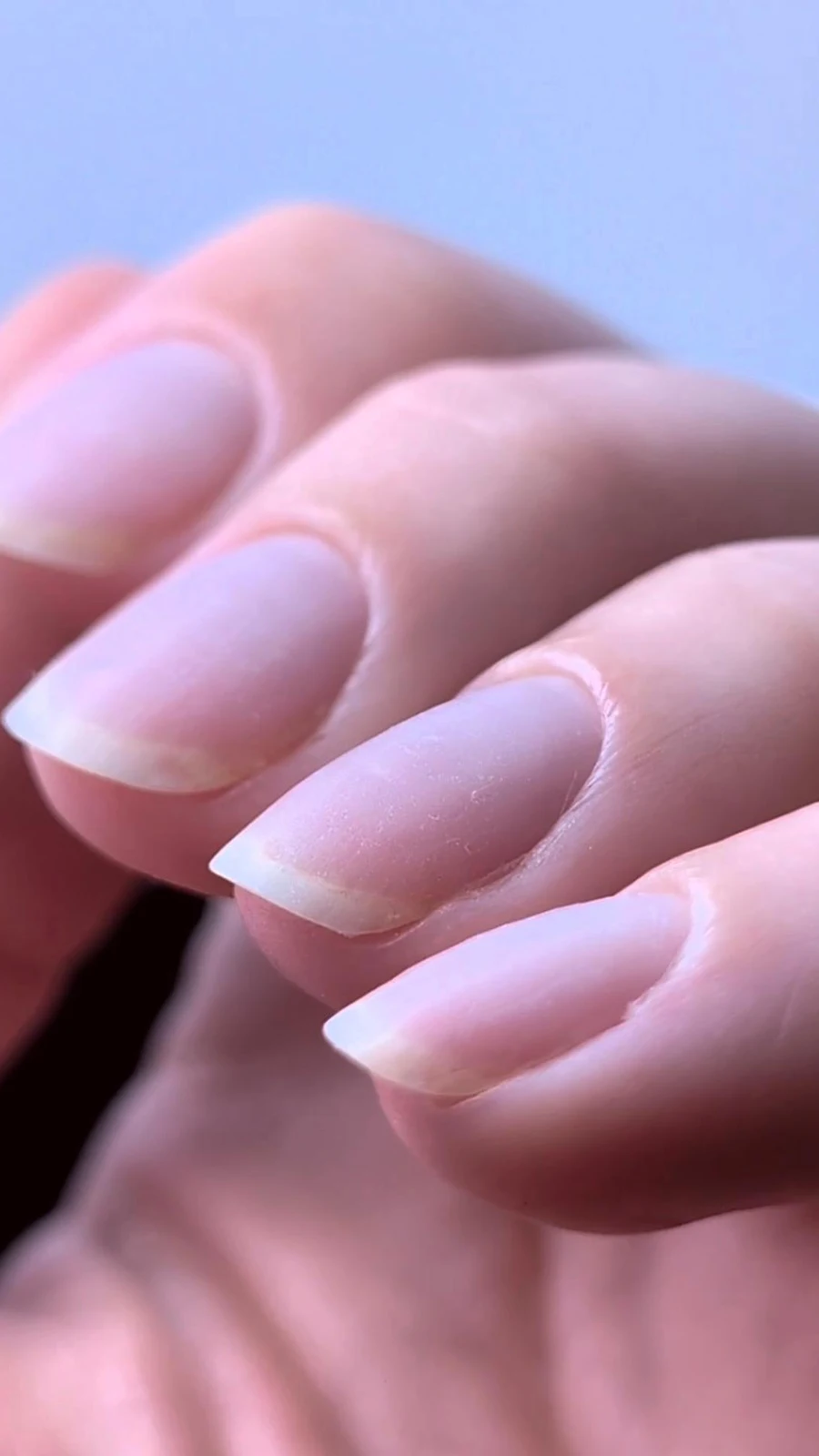
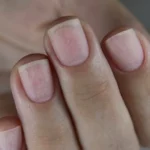
Healthy nails are smooth, pink at the bed, and even at the edges. When something changes, your nails are usually telling you something — and most of it is fixable at home.
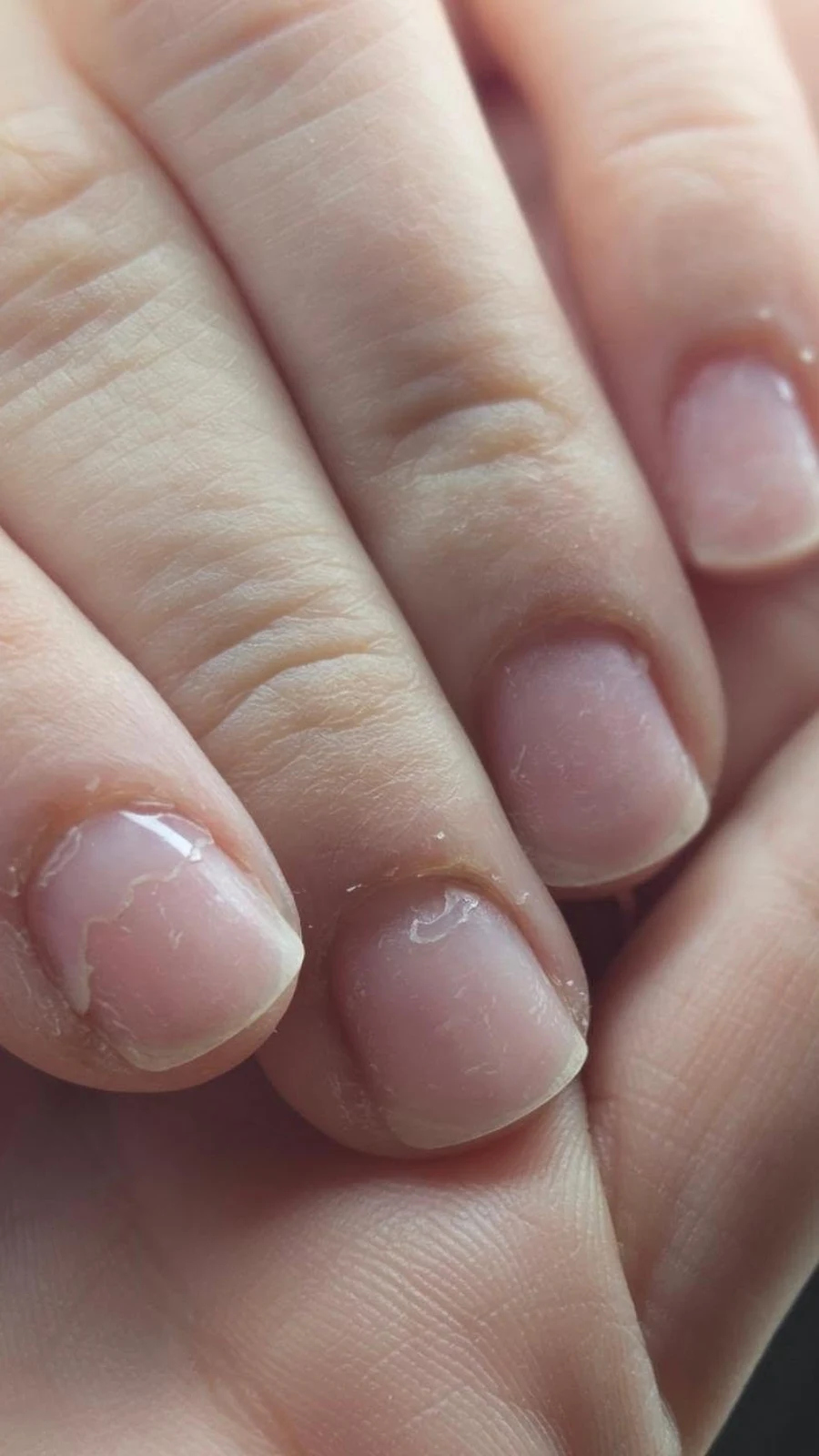
Brittle or peeling nails
The most common complaint, and usually the simplest cause: over-washing, harsh soaps and not enough moisture. The fix is the routine in this guide — gloves for wet work, oil every night, a base coat under polish. Give it three to four weeks; nails grow slowly, and the new growth is where you’ll see the change first.
Yellow or thickened nails
Often a sign of a fungal infection, especially if the nail is also crumbling or lifting. Keep nails dry, never share clippers, and see a doctor early rather than waiting — over-the-counter antifungals rarely work on nails, and the earlier you start treatment the shorter it is. Dark polish can also stain nails yellow; a base coat prevents it, and the stain grows out on its own.
White spots or lines
The old myth says they mean you’re calcium-deficient. They almost never do. White spots are usually from a small knock to the nail — bumping it on a drawer, catching it on something hard — and they simply grow out. No treatment needed, no supplement required.
Red, sore skin around the nail
This one deserves attention. A red, swollen cuticle usually means a small infection has started, often from a hangnail pulled off or a cuticle cut too aggressively. Soak the finger in warm salty water twice a day, keep it clean and dry, and don’t pick at it. If it spreads, throbs or doesn’t improve in two days, see a doctor.
Additional Information: Photograph your nails once a month if you’re tracking a problem — it’s hard to notice slow improvement day to day, and a photo makes it obvious. A nail takes about six months to grow from base to tip, so judge changes on that timescale, not week to week.
The Mistakes That Undo Good Habits
Most nail damage isn’t caused by one big event. It’s caused by small habits that feel harmless. Using your nails as tools — opening cans, scraping off stickers, prying open packaging — bends and splits them at the weakest point. Keep a coin or a key for that job instead. Filing after a shower, when nails are soft and swollen, tears the edge; file when nails are dry. Wearing polish for weeks without a break hides problems underneath; take a day or two bare between manicures and look at what your nails are actually doing.
And the biggest one: ignoring your hands in winter. Cold air and indoor heating dry nails out faster than summer ever does, which is why nails split most in January and February. Winter is when the oil and the gloves matter most — exactly when you’re least likely to think about them.
When to See a Professional
Most nail care is home care. But some things belong to a doctor, not a blog post. See a doctor if a nail changes colour and stays changed, if a nail lifts from the bed, if swelling or pain doesn’t settle in a couple of days, or if a dark streak appears under a nail and doesn’t grow out. These are uncommon, but they’re worth taking seriously — and a quick appointment beats months of worrying.
A good salon is worth finding, too. Look for one that cleans tools in front of you or uses sealed single-use files, that doesn’t cut cuticles, and that takes its time over prep. If a salon rushes, reuses files or cuts your cuticles without asking, find another one. Your nails are worth the extra ten minutes.
Your First Week: A Simple Starter Plan
If all of this feels like a lot, don’t try to do it all tomorrow. Habits stick when they start small, so here’s one week that builds the routine for you — one new habit a day, nothing more.
Day one: Buy a soft nail brush and put it by the bathroom sink. Scrub under your nails tonight, and again tomorrow morning. That’s it — one habit, done.
Day two: Add the moisturiser. Hand cream after every wash, and a drop of cuticle oil before bed. Put the oil on your bedside table so you can’t forget it.
Day three: Find the rubber gloves and put them under the kitchen sink. Wear them for the washing-up tonight, even if it feels strange. By the third night, you won’t notice them.
Day four: Trim and file. Ten minutes, one direction, glass file if you have one. Then oil. Notice how much neater your nails look already.
Day five: Push your cuticles back after your shower — gently, once, no pressure. This is the day your nails start to look professionally kept.
Day six: Check your tools. Clean them with rubbing alcohol, throw out the blunt file, and put everything in one pouch. A tidy kit is a kit you actually use.
Day seven: Look at your hands. Really look. The nails are cleaner, the cuticles are softer, and nothing is peeling yet. That’s one week of two-minute habits. Keep going — the next six weeks are when the real change shows, as the healthy growth reaches your fingertips.
Additional Information: If you miss a day, don’t start over — just pick up the next day. A routine that survives a missed day is a routine that lasts. Take a photo of your nails on day one and again on day twenty-eight; the difference is usually bigger than you expect, and seeing it is the best motivation to keep going.
Frequently Asked Questions
How often should I clean under my nails?
Every time you wash your hands properly — at least once a day, and always after gardening, cooking, cleaning or handling pets. A soft brush and warm soapy water is all it takes.
How long does it take for nails to get healthy again?
Nails grow about 3 millimetres a month, so a full fingernail takes around six months to replace itself. You’ll see improvement at the base within three to four weeks of a good routine, and the damaged tips grow out gradually after that.
Should I cut my cuticles?
No. Cuticles are a protective seal — cutting them opens the door to infection. Push them back gently once a week after a warm soak, and keep them oiled.
Is it okay to wear nail polish all the time?
It’s fine as long as you use a base coat, remove polish properly instead of peeling it, and give your nails a day or two bare between manicures. If nails look yellow or feel thin, take a longer break with cuticle oil.
What is the best oil for nails?
Jojoba oil is the closest to your skin’s natural oils and absorbs well. Vitamin E oil, sweet almond oil and even plain olive oil work too — the best oil is the one you’ll actually use every night.
Do nail supplements work?
Biotin can help if you’re deficient, but most people get enough from food. A supplement won’t fix nails damaged by biting, peeling polish or constant water exposure — the habits matter more than the pill.
Why do my nails peel in layers?
Usually from repeated wetting and drying, harsh soaps, or peeling off polish and gel. Gloves for wet work, nightly oil and gentle removal usually stop it within a month.
Small Habits, Stronger Nails
You don’t need perfect nails. You just need consistent care: a ten-second scrub under the nails in the morning, a drop of oil at night, gloves for the washing-up, a weekly trim and file, and the patience to let new growth replace old damage. None of it takes more than a few minutes. All of it adds up.
Your nails have been working hard for you every day — typing, holding, opening, carrying, doing. A little care in return isn’t vanity. It’s the least they deserve. Start tonight, with one drop of oil. By the time the new growth reaches your fingertips, you’ll wonder why you waited so long.
Save this guide, try one new habit this week, and watch your nails change — one small step at a time.

Leave a Reply