The Tiny Seal Doing a Job You Never Hired It For
Here is a question nobody asks out loud: what is that little strip of skin at the base of your nail actually doing, and what happens if you just… leave it alone forever?
Most of us fall into one of two camps. Camp one pushes their cuticles back every Sunday without thinking about it, the way you water a plant. Camp two has never touched theirs, has no idea what a cuticle pusher is, and is quietly wondering whether the whole thing is a scam invented to sell tiny metal tools. If you are in camp two, this article is for you — and the honest answer is more interesting than either camp expects.
Your cuticles are not decoration. They are a seal. A living, working seal between your nail and the outside world, and when you ignore that seal for long enough, things start to go wrong in small, slow, surprisingly annoying ways. Not dramatic ways. Nobody’s nails fall off because they skipped cuticle care. But the creeping overgrowth, the snagging, the hangnails that appear out of nowhere, the manicure that looks ragged two days after you paid for it — a lot of that traces back to this one small habit you never formed.
This guide covers what actually happens when you never push your cuticles back, stage by stage, which of those things matter and which do not, when leaving them alone is genuinely fine, and — for the moment you decide to do something about it — how to push them back safely without hurting yourself. No scare tactics, no salon upsell. Just what your nails are doing down there, and what to do about it.
First, What Is a Cuticle, Really?
Before we talk about what happens when you ignore it, it helps to know what “it” is — because the word cuticle gets used for two different things, and the confusion matters.
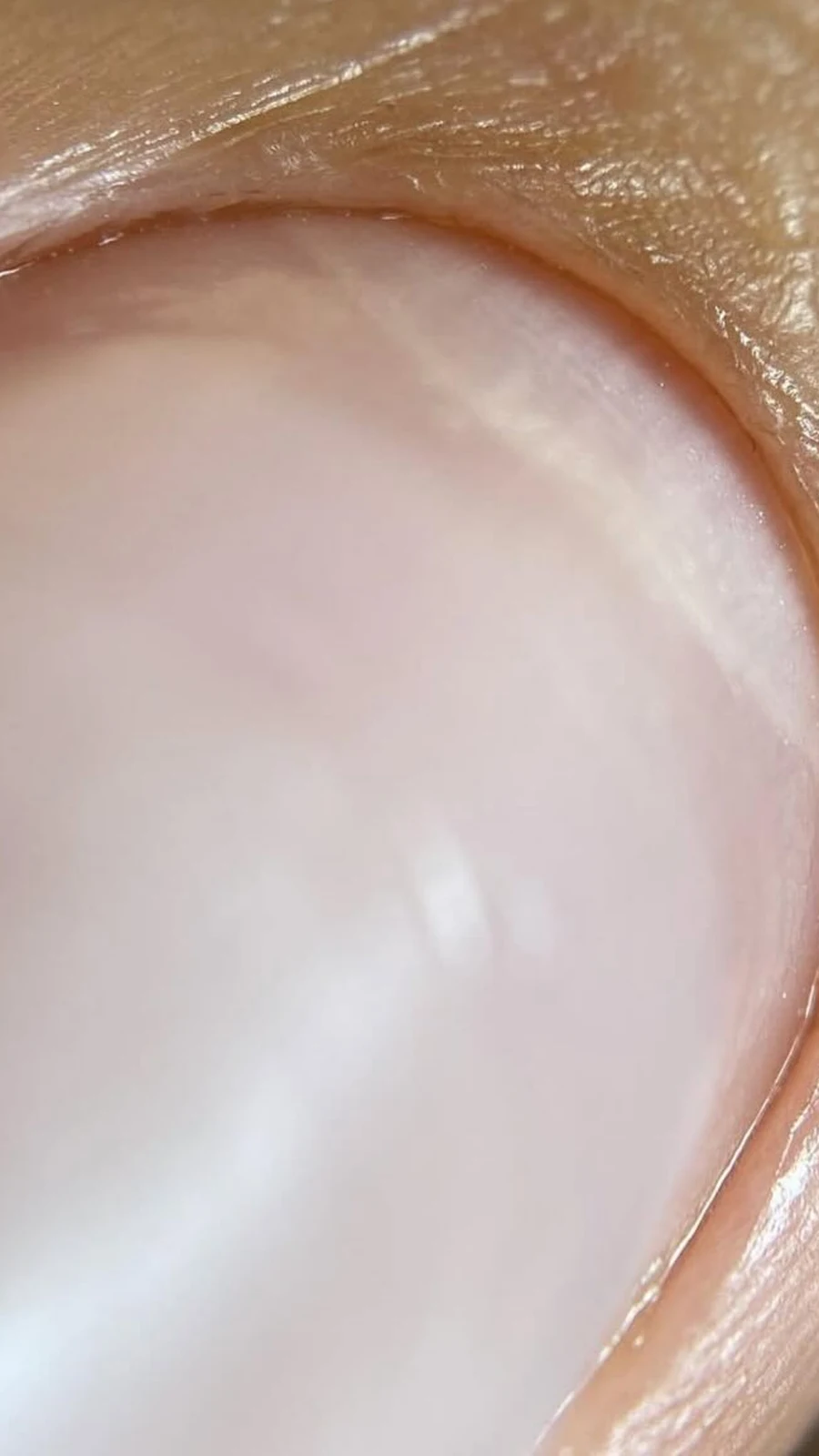
The true cuticle is a thin, transparent layer of dead skin cells that sits on the nail plate itself, right where the nail emerges from under the skin. It is the seal. Its job is to glue itself to the nail and block bacteria, water, fungi and dirt from getting into the little pocket between your nail and your skin — the place where infections start.
What most people point at and call “the cuticle” is actually the eponychium: the living fold of skin at the base of the nail, the fleshy rim you can see and feel. The eponychium is alive, has blood supply, and hurts when you cut it. The cuticle is dead tissue stuck to the nail. When a nail technician “pushes back your cuticles,” they are mostly moving the eponychium back off the nail plate and gently scraping away the true cuticle clinging to the nail surface.
Why does the distinction matter? Because it decides what is safe to do. Pushing back the eponychium — gently, after softening — is safe. Cutting the living eponychium is not, or at least not without risk: cut living skin and you open the very seal you were trying to maintain. Scraping dead cuticle off the nail plate is safe. Digging at living skin is not. Keep that line in mind and almost every piece of cuticle advice you will ever hear starts to make sense.
One more fact worth knowing: your cuticle grows constantly, at roughly the same pace as your nail. It is not something you fix once. It is maintenance, like trimming a hedge — a small, regular job, or a bigger, messier job later.
What Happens When You Never Push Them Back
Nothing happens all at once. That is the trap. Cuticle neglect is a slow-motion problem, and it unfolds in stages you can recognise once you know what to look for.
Stage 1: The Creep
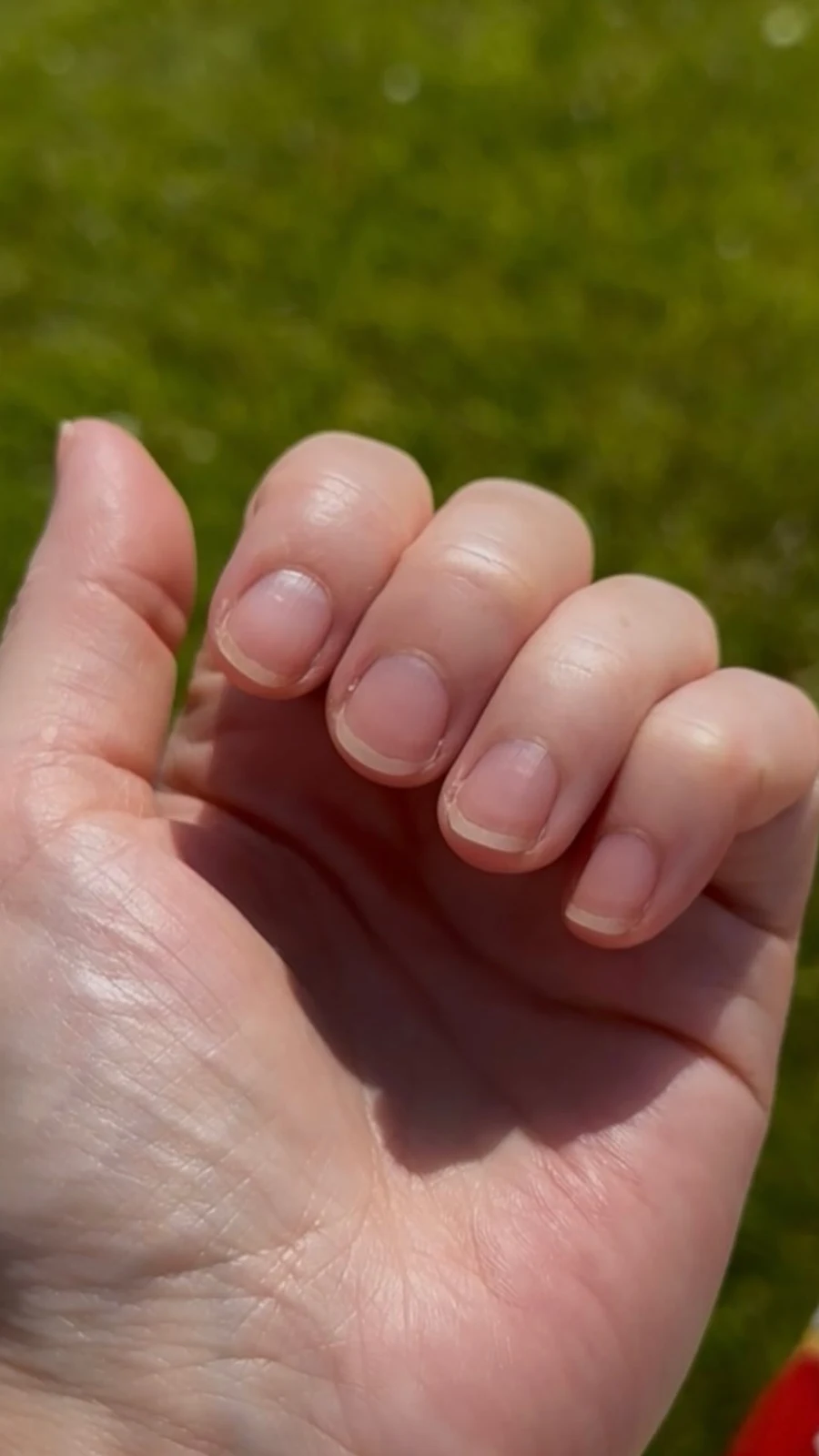
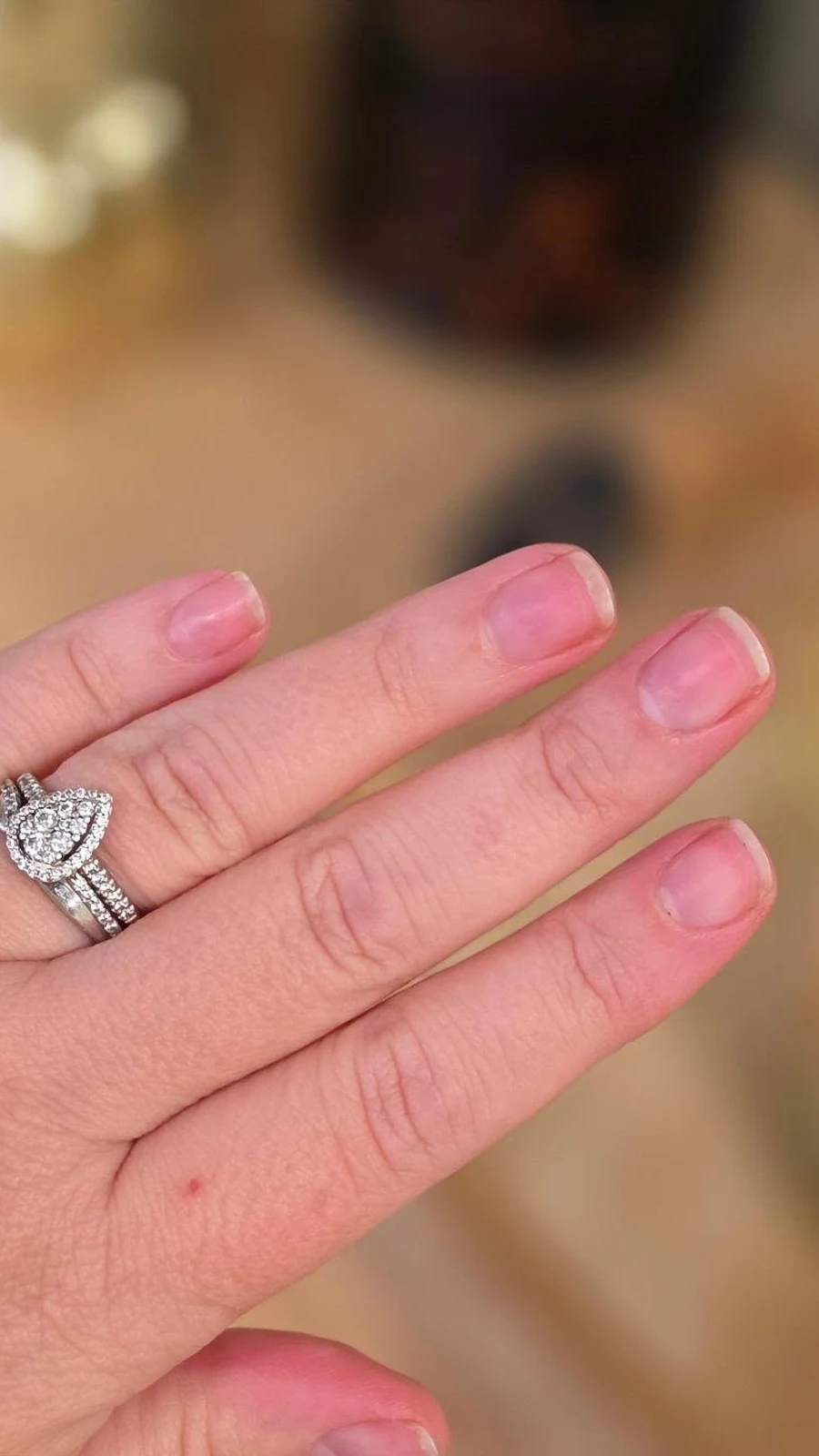
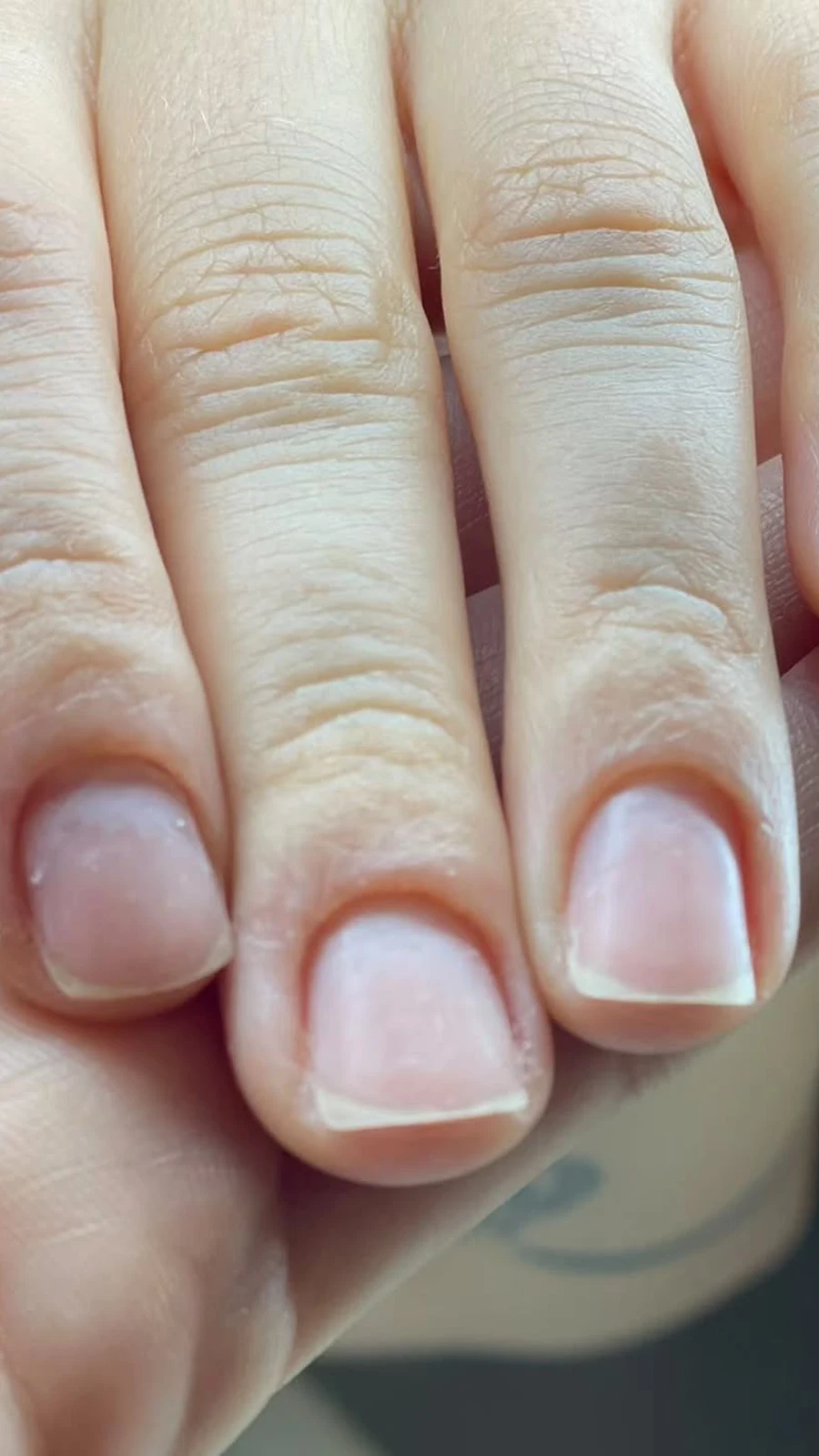
Left alone, the eponychium and the cuticle gradually migrate further and further down the nail plate. A little more of the nail gets covered each month. At first it just looks like your nails are shorter than they used to be — the visible nail bed shrinks, the half-moon at the base disappears under skin, and your nails start to look stubby even when they are the same length they have always been. This is the stage most people are in without knowing it. It is not painful. It is not dangerous. It is just a slow loss of nail real estate.
Stage 2: The Stick
As the cuticle creeps, it sticks. The dead cuticle tissue bonds to the nail plate, and the eponychium adheres to it more firmly. The skin starts to feel tight when you bend your fingers, and you may notice a faint pulling sensation when you stretch your hands. If you run your fingertip over the base of the nail, the surface feels rough and uneven instead of smooth. Polish applied over this sticks badly — it lifts at the base first, because it is sitting on dead skin rather than on clean nail.
Stage 3: The Snag
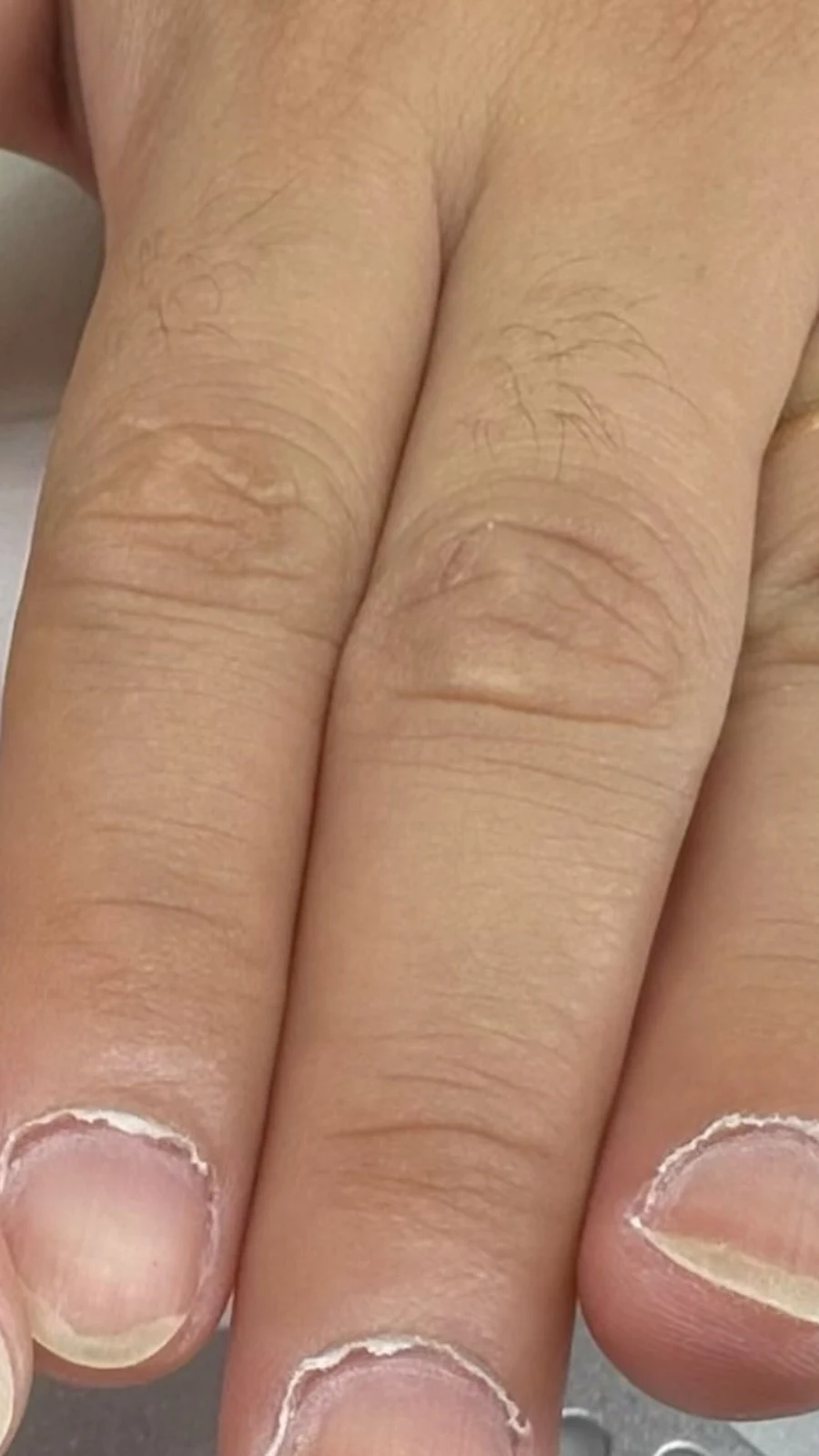
This is where neglect starts charging rent. Overgrown cuticle dries out, and dry cuticle splits. The splits become ragged edges, and ragged edges catch on everything: knitwear, hair, the inside of a pocket. Each catch tears a little further, and a tear at the cuticle is how you get a hangnail — that small, maddening flap of skin that hurts far more than its size suggests. People who never push their cuticles back get more hangnails, and their hangnails are worse, because the skin doing the tearing is thick, dry and overgrown rather than thin and supple.
Stage 4: The Mess
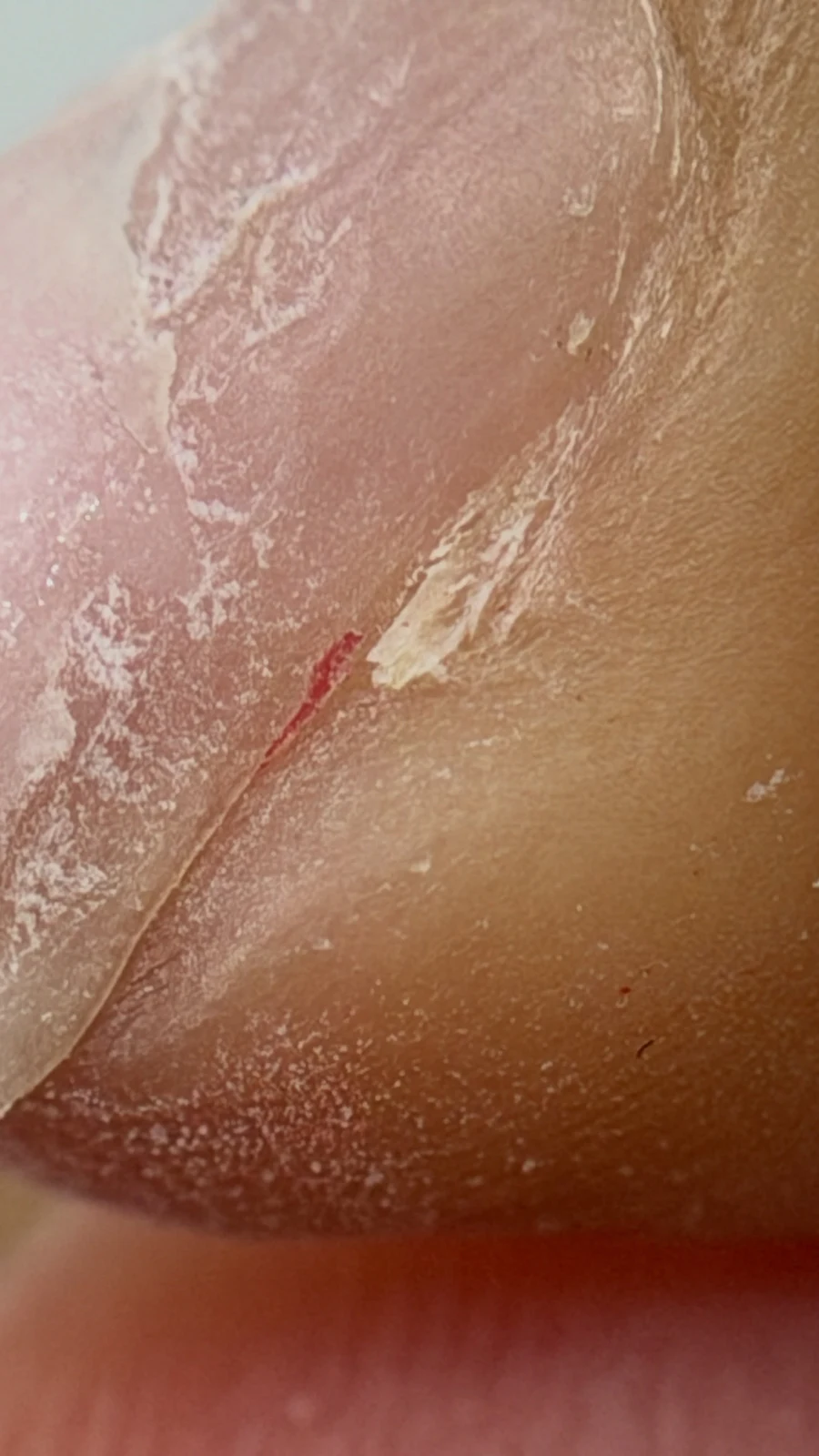
By this point the nail bed looks untidy no matter what you do. Polish chips at the cuticle line within days. A professional manicure looks grown-out before its time, because the technician has to work around skin that is sitting where polish should be. And if the overgrowth is severe, the skin can start to split open at the sides of the nail, leaving small cracks that sting when you wash your hands and invite bacteria in. This is the stage where people usually book the manicure and ask, with some embarrassment, whether their cuticles are “bad.” They are not bad. They are just overdue.
The Problems That Follow
Overgrowth itself is mostly cosmetic. The problems it causes, though, are real — and they are the reason nail professionals care about cuticles at all.
Hangnails, and Why They Hurt So Much
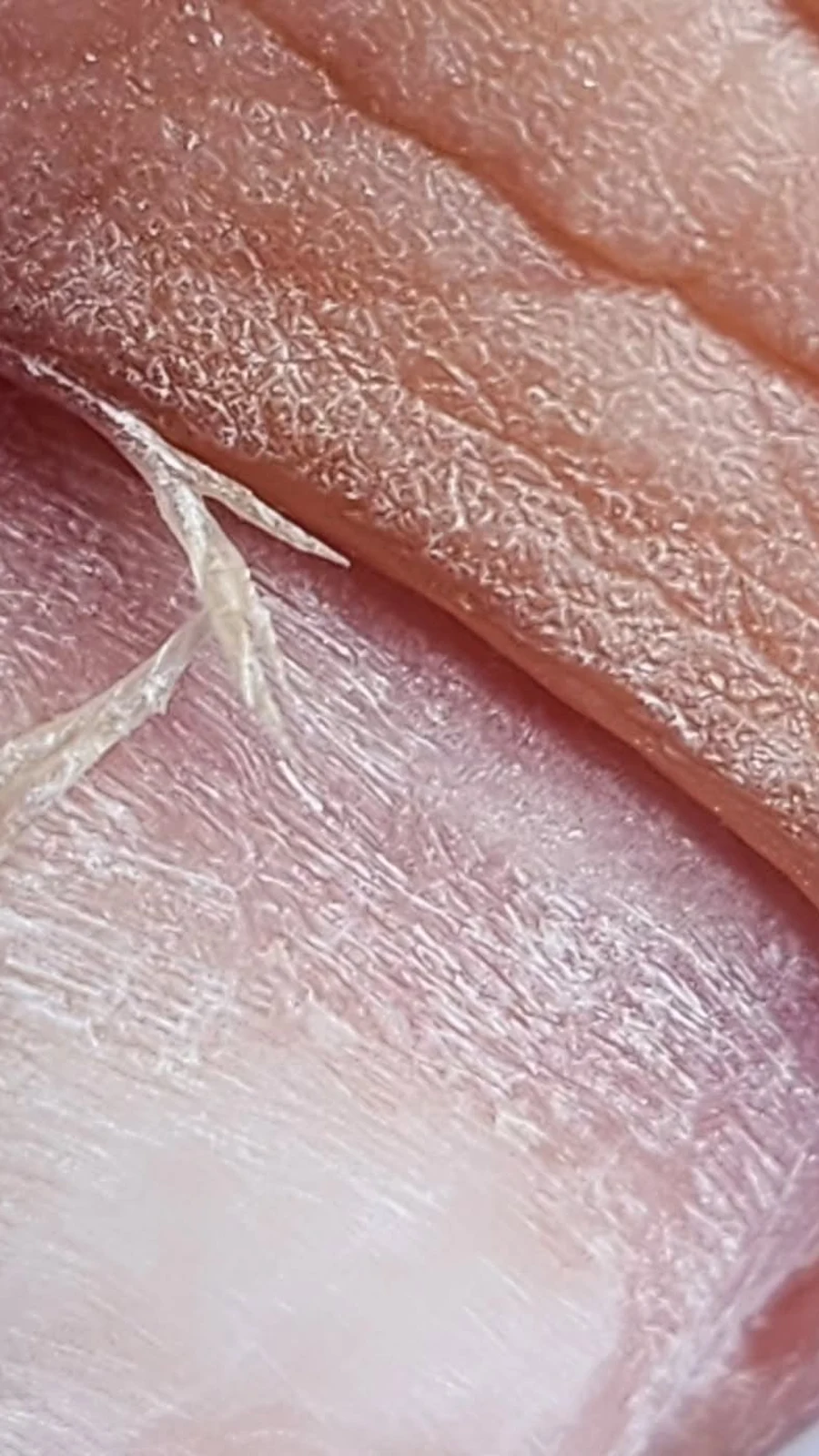
A hangnail is a torn strip of skin at the edge of the nail, and it hurts out of proportion because the skin around the nail is dense with nerve endings. Overgrown, dry cuticle tears more easily and tears deeper, so the hangnails are bigger and more painful. Worse, people tear at them — pulling a hangnail rips living skin, opens a wound, and turns a minor annoyance into a sore, red, sometimes infected fingertip. The single best hangnail prevention is not a cream. It is keeping the cuticle pushed back and moisturised so there is nothing dry and ragged to catch and tear in the first place.
Polish That Lifts, Chips and Peels
Nail polish needs a clean nail plate to grip. When polish is painted over cuticle tissue, it bonds to dead skin instead of nail — and dead skin sheds. That is why polish applied over unpushed cuticles lifts at the base within a day or two, bubbles near the cuticle line, and peels off in sheets. It is also why a manicure done on properly prepped nails lasts two to three weeks while the same polish on unprepped nails is chipped by the weekend. If your manicures never seem to last, the cuticle is the first suspect, not the polish.
Infection: The One That Actually Matters
This is the serious one, and it deserves a straight answer. The cuticle is a seal, and a damaged seal lets germs in. When overgrown cuticle splits, cracks or tears, bacteria — most commonly Staphylococcus — can get into the skin around the nail and cause paronychia: a painful, red, swollen infection at the side or base of the nail, sometimes with pus. Acute paronychia usually clears with warm soaks and, if needed, antibiotics, but it is painful, it can cost you the use of a fingertip for days, and in rare cases an untreated infection can spread to the nail bed and damage the nail permanently.
Fungal infection is the slower cousin. Fungi love warm, damp, damaged skin around nails, and chronically split cuticles give them an open door. A fungal infection around the nail is stubborn, slow to clear, and can eventually discolour and thicken the nail itself. None of this is common from simply skipping cuticle care — most people who never push their cuticles back never get an infection — but the risk is real, it rises with overgrowth and dryness, and it is the one consequence that is not just cosmetic.
Pain, Redness and Swelling
Even without full infection, overgrown cuticles get sore. The skin pulls when you bend your fingers, cracks sting every time you wash your hands, and the base of the nail can stay faintly red and tender. If you work with your hands — cleaning, cooking, gardening, typing all day — the constant friction makes it worse. This low-grade soreness is the most underreported consequence of cuticle neglect, because people assume sore fingertips are just part of life. Often they are not. Often they are a cuticle asking for ten minutes of attention.
Manicures That Never Look Finished
Here is the cosmetic truth: you cannot get a clean-looking manicure over an unpushed cuticle. The polish line will be wavy where it meets ragged skin, the colour will pool against the overgrowth, and the whole hand will look unfinished no matter how good the polish is. Nail technicians know this, which is why cuticle work is the first step of every professional manicure rather than an optional extra. If you have ever looked at your freshly painted nails and thought they looked somehow messy despite the colour being perfect, the cuticle was the reason.
The Honest Other Side: When Skipping It Is Fine
Fairness requires saying this plainly: plenty of people never push their cuticles back and never have a problem. If your cuticles are naturally thin, if your skin stays moisturised, if you do not wear polish often, and if you are not prone to hangnails, leaving them alone is a legitimate choice — and some dermatologists actively recommend it, on the grounds that the less you disturb the seal, the less chance you have of damaging it.
The people who do best leaving cuticles alone tend to share a few things: naturally neat cuticles that do not creep much, hands that are not constantly wet or exposed to harsh chemicals, and a habit of moisturising their hands. If that is you, and your nails look fine and feel fine, there is no rule that says you must start. Cuticle care is maintenance, not morality. The question is not whether you push them back — it is whether your nails are healthy, comfortable and looking the way you want them to. If the answer is yes without any cuticle work, you are done. Enjoy it.
Where skipping it stops being fine is when the signs show up: visible creep, ragged edges, regular hangnails, polish that will not stay put, soreness at the base of the nail. At that point, “leave it alone” is no longer the low-maintenance option. It is the option that creates more work later.
Push Back, Cut, or Leave Alone?
These are the three options, and they are not equal. Here is the honest comparison.
Pushing back is the safest and the most recommended. You soften the skin, then gently move the eponychium back off the nail plate with a pusher or an orangewood stick. Nothing is cut, nothing bleeds, the seal stays intact — it is just repositioned. Done weekly, it keeps overgrowth from ever starting. This is what every nail professional and most dermatologists recommend as the default.
Cutting is where the trouble starts. Cutting the living eponychium removes the seal entirely and leaves an open edge that bacteria can enter. It also tends to make cuticles grow back thicker and more ragged, because the body responds to the injury by producing more skin. Some salons still cut cuticles, and some people cut their own at home with nippers — and many get away with it for years. But it is the option with the highest risk of infection, bleeding and worse-looking regrowth, and it is the option most professionals now advise against. The one exception: dead, loose, hanging bits of skin — a true hangnail, or a flap of dead cuticle that is already detached — can be trimmed carefully with clean nippers. Living skin should not be cut.
Leaving alone is fine until it is not, as covered above. It is the right choice for people whose cuticles behave, and the wrong choice once overgrowth, raggedness or soreness appear.
The short version: push, do not cut. If you take one sentence from this whole article, take that one.
How to Push Your Cuticles Back Safely
This is the core of it, and it is simpler than the internet makes it sound. Ten minutes, once a week, after a shower or a hand soak — that is the whole routine. Here it is, step by step.
Step 1: Soften First, Always
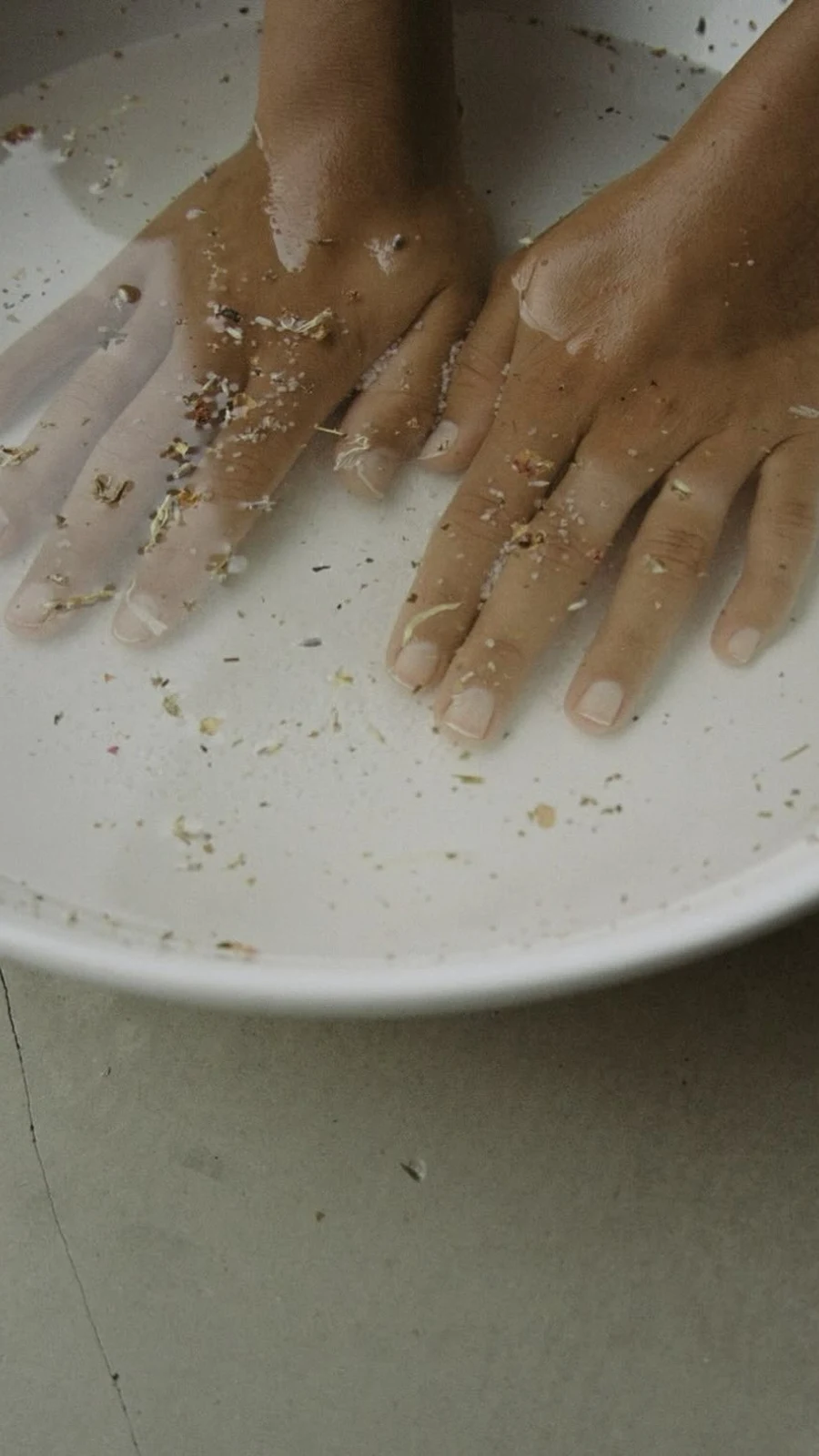
Never push a dry cuticle. Dry skin resists, tears and hurts. Soak your hands in warm water for five minutes, or do this right after a shower when the skin is already soft. If your cuticles are very dry or overgrown, add a drop of cuticle oil or a dab of hand cream first and let it sit for a minute. Soft skin moves. Dry skin fights you, and it wins by tearing.
Step 2: Apply Cuticle Oil or Remover
A drop of cuticle oil on each nail base, massaged in, makes the pushing dramatically easier. A cuticle remover — a gentle, slightly alkaline gel that dissolves dead skin — helps if you have a lot of buildup, but it is optional. If you use one, follow the product’s timing exactly and rinse it off; leaving remover on too long irritates living skin. For most people, warm water and oil are enough.
Step 3: Push Gently With the Right Tool
Hold your cuticle pusher or orangewood stick at a low angle, almost flat against the nail, and push the skin back with small, gentle strokes — from the sides toward the centre, not in one hard shove. You are coaxing, not scraping. The skin should roll back easily if it is properly softened. If it does not move, stop: soak longer, add more oil, and try again. Forcing it is how you tear skin and cause bleeding.
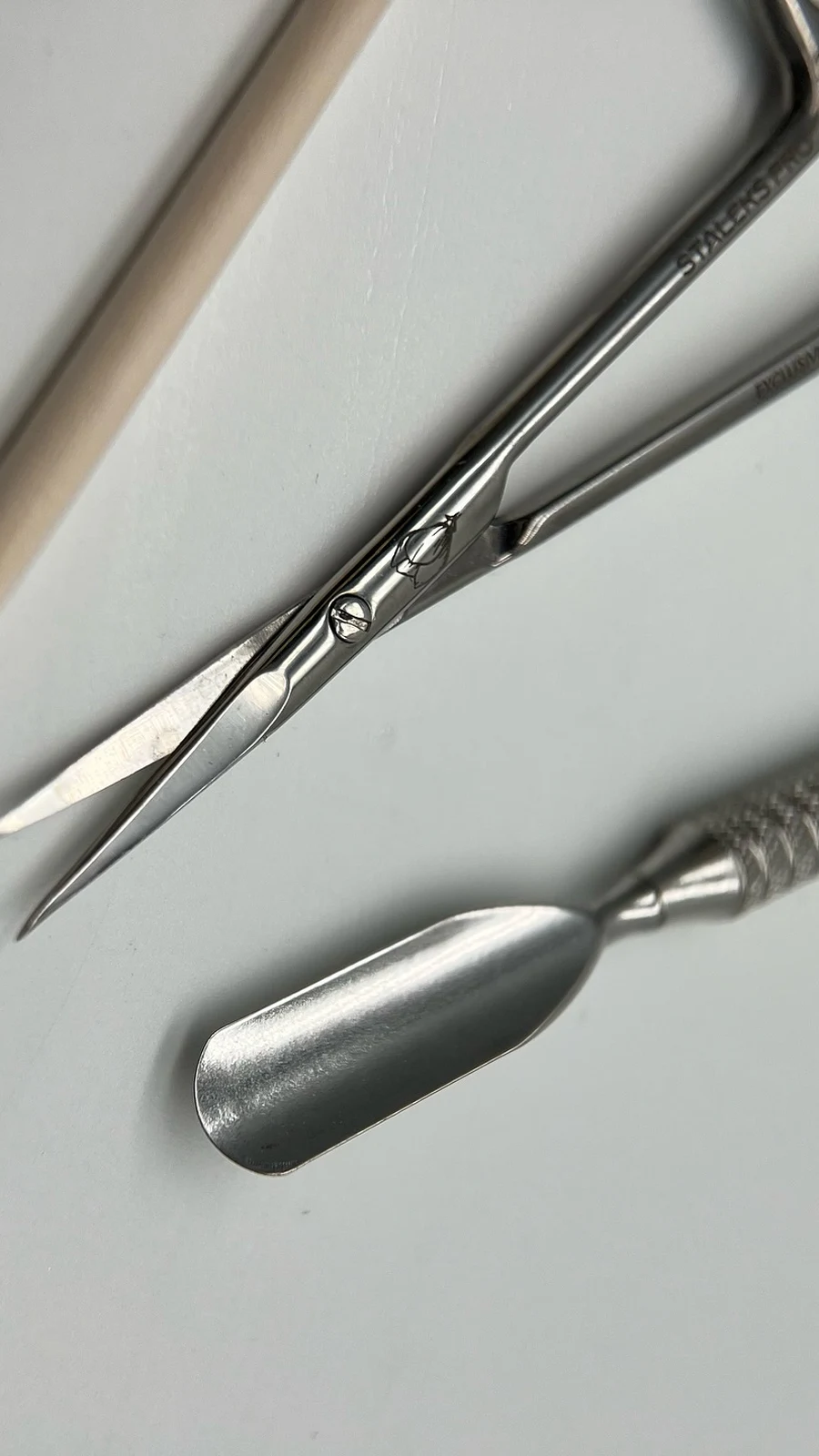
Use the flat end of a metal pusher or the slanted end of an orangewood stick for the pushing, and the pointed end only to clean gently under the free edge of the nail if needed. Never use the point to dig at the cuticle itself.
Step 4: Clean Up Only What Is Loose
After pushing back, you may see a thin ring of dead, whitish cuticle clinging to the nail plate. This can be gently scraped away with the flat edge of the pusher — it is dead tissue, and removing it is what gives the nail its clean, lengthened look. What you must not do is cut or tear at anything that is still attached and pink. If it is attached and alive, leave it.
If you have a genuine hangnail — a loose flap of skin that is already detached at one end — you may trim it with clean, sharp nippers, cutting only the loose flap, close to where it is attached, in one clean cut. Do not pull it. Pulling tears living skin further down than the hangnail went.
Step 5: Moisturise and Seal
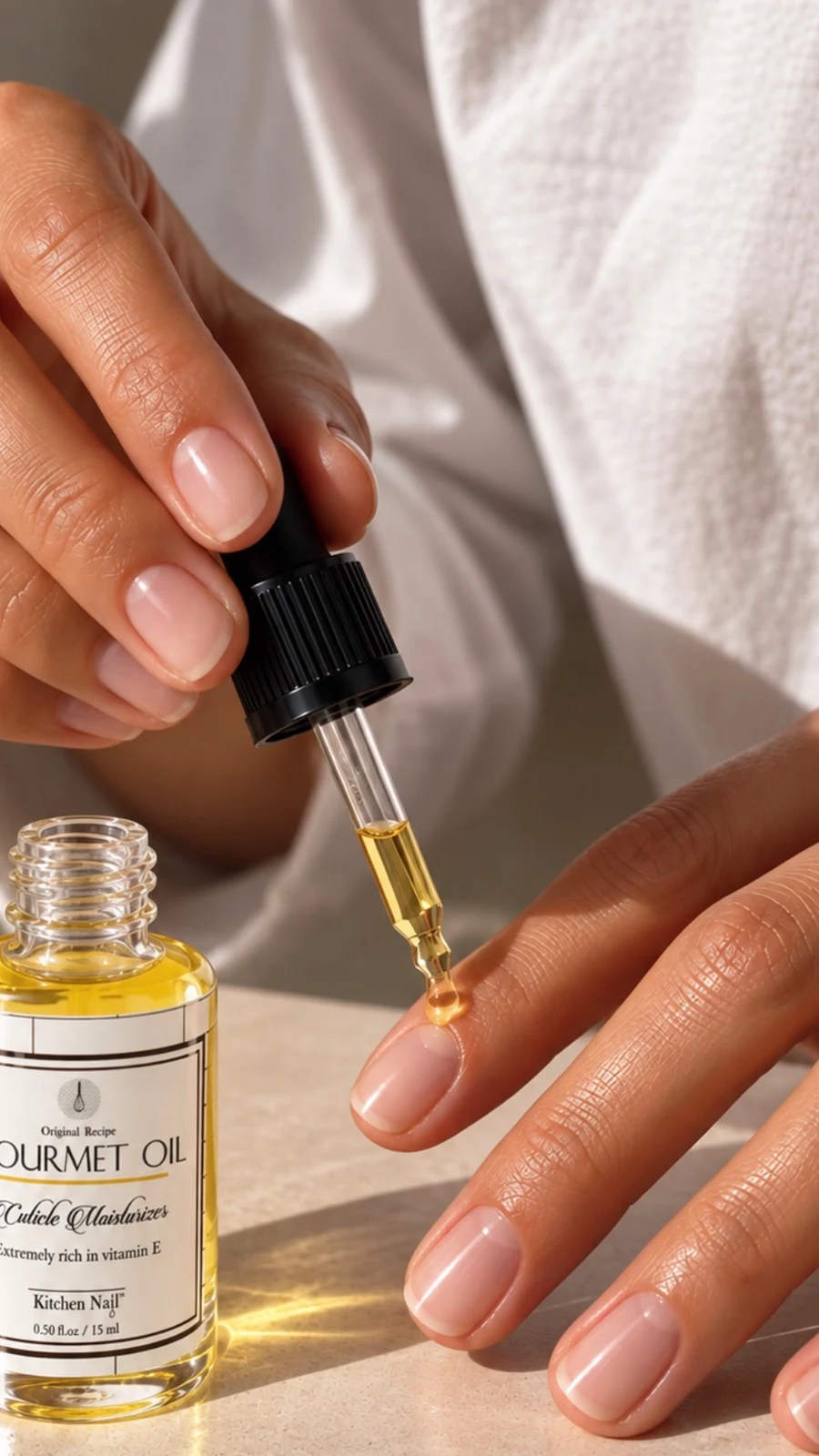
Finish with cuticle oil, massaged into the nail base and the surrounding skin, and then hand cream over the top. The oil feeds the skin; the cream seals the moisture in. This last step is not a nice extra. It is the step that stops the cuticle drying out and splitting again within days, and it is the step most people skip.
What Not to Do
Do not push cuticles back when the skin is dry. Do not use a metal tool with a sharp edge. Do not push hard enough to hurt — pain is your body telling you to stop, not a sign it is working. Do not cut living skin with nippers, however tempting it looks. And do not do this every day: once a week is enough, and overdoing it irritates the skin and makes it grow back faster and rougher.
The Tools Worth Owning (and the Ones to Avoid)
You do not need a professional kit. Three things cover it.
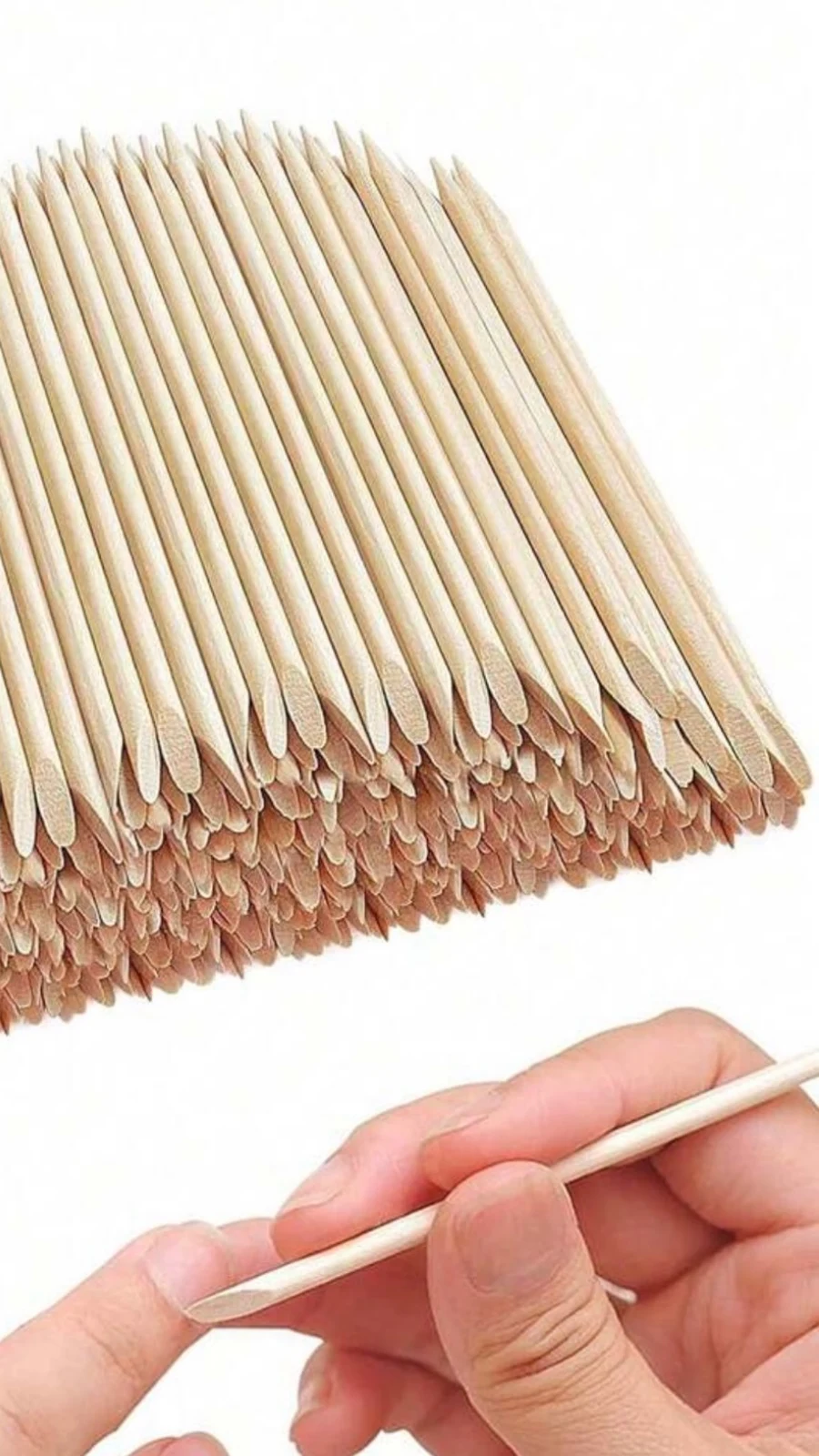
An orangewood stick is the gentlest option and the best starting point. It is a thin wooden stick with one slanted end and one pointed end, it costs almost nothing, and it is soft enough that it is hard to hurt yourself with it. Replace it when the tip frays. This is the tool to buy first.
A metal cuticle pusher is the step up. Look for one with a smooth, flat, slightly curved end — not a sharp edge. The flat end pushes the skin back; some have a small spoon or scraper end for removing dead cuticle from the nail plate. Clean it with soap and water after each use, and disinfect it if you share it with anyone (you should not share it).
Cuticle oil is the single most useful product in cuticle care, more important than any tool. Jojoba-based oils are the favourite among professionals because jojoba closely matches the skin’s own oils and absorbs well. Sweet almond oil, vitamin E oil and squalane all work too. A small bottle lasts months: one drop per nail, massaged in, once or twice a day.
What to avoid: cuticle nippers in untrained hands (the temptation to cut living skin is too strong, and one bad cut can cause an infection), electric nail drills on the cuticle area, and any tool with a sharp point that you are planning to use near living skin. Also avoid “cuticle cutters” marketed as a shortcut to neat nails — the shortcut is the problem.
How Often Should You Do It?
Once a week is the sweet spot for most people. It matches the pace at which cuticles grow, it is easy to remember — pick a day, after your shower — and it is gentle enough that the skin never gets irritated.
If your cuticles grow fast, or you wear gel or acrylics that make the cuticle area more visible, twice a week is fine. Every day is too much: daily pushing irritates the eponychium, and irritated skin responds by growing back thicker, which is the opposite of what you want.
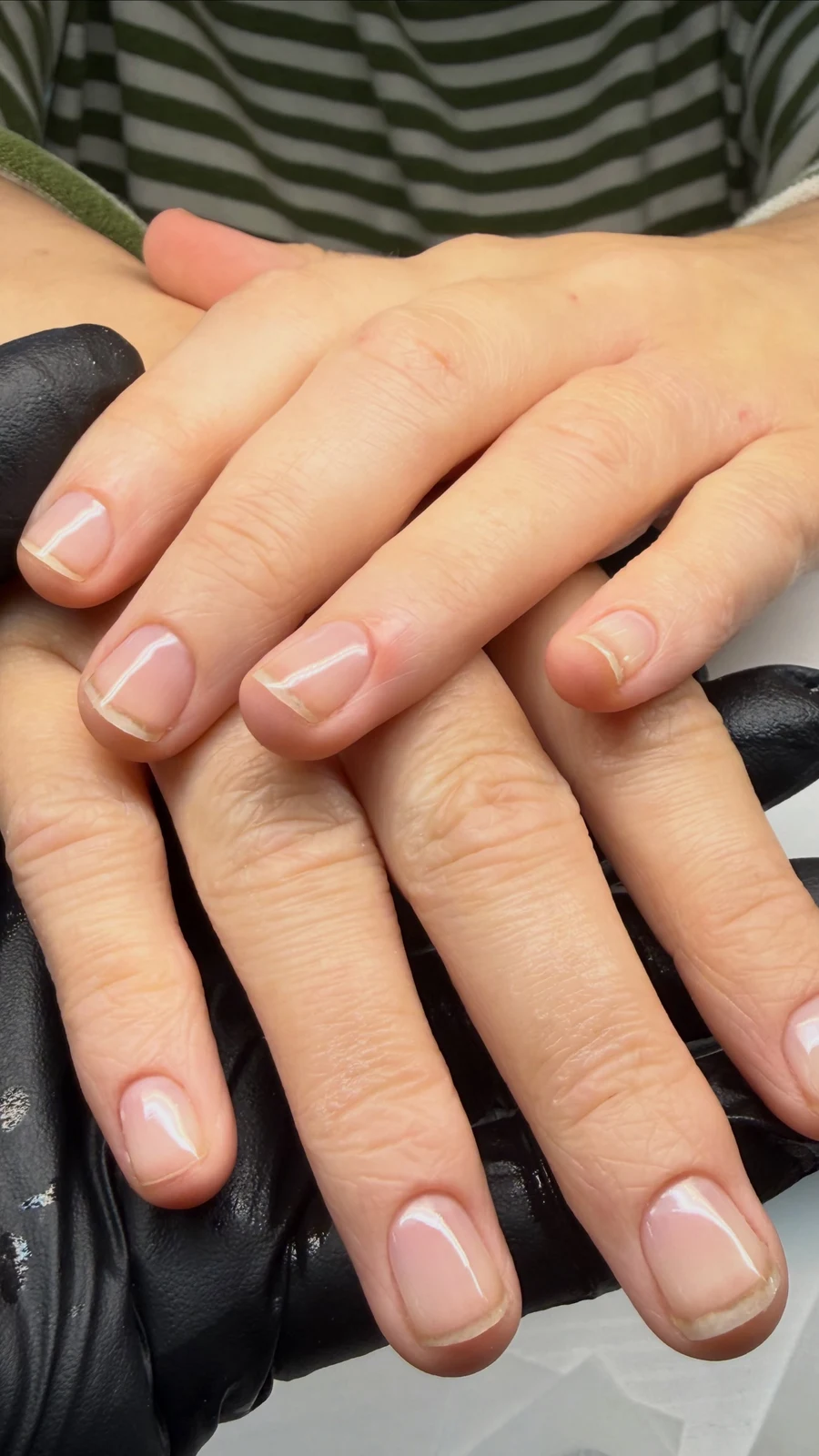
Signs you have gone too far: redness that lasts more than a few hours after pushing, soreness or tenderness at the nail base, skin that looks raw or shiny, or bleeding. Any of these means stop, let the skin heal for a week or two, moisturise heavily, and go gentler next time. Signs you are doing it right: the skin moves easily, there is no pain, and the nail bed looks a little longer and a lot tidier afterwards.
Aftercare: The 24 Hours After You Push Them Back
What you do after pushing your cuticles back matters as much as the pushing itself.
First, keep them moisturised. Cuticle oil once or twice a day is the single habit that makes the biggest difference to cuticle health — more than any tool or treatment. If you do one thing from this article, make it this.
Second, avoid harsh chemicals for a day. Dishwashing without gloves, strong cleaning products, acetone-based polish remover and hand sanitiser all dry out freshly pushed cuticles and can sting if the skin is even slightly raw. Wear gloves for wet work; it is the least glamorous advice in nail care and also the most effective.
Third, do not pick at the skin. Freshly pushed cuticles can feel odd — the skin sits differently, and there may be a tiny loose edge. Leave it. Picking creates the tears and hangnails you just spent ten minutes preventing.
Fourth, if you are applying polish, do it after the oil has absorbed — or wipe the nail plate with a little polish remover first, so the polish grips clean nail. Oil on the nail plate is the most common reason a fresh manicure peels.
The Rescue Plan: If Yours Are Already Overgrown or Damaged
If you are reading this with cuticles that have been ignored for a year, do not try to fix them in one session. Overgrown cuticle will not move in one go, and forcing it will tear skin. Here is the slow fix that actually works.
Week one: soak, oil, and push very gently — only as far as the skin moves easily. Then oil twice a day, every day, and wear gloves for wet work. Do not cut anything.
Week two: repeat the gentle push. The skin will move further this time, because a week of oil has softened it. Keep oiling daily.
Week three: by now the cuticle should be mostly back where it belongs, and the dead buildup on the nail plate can be gently scraped away. Keep the weekly routine going.
For dry, cracked cuticles, the rescue is mostly moisture: oil twice a day, a thick hand cream at night, and cotton gloves over the cream overnight if the skin is very dry. It sounds old-fashioned because it is old-fashioned, and it works. Within two to three weeks, the skin should be supple again.
For a hangnail that has already torn: do not pull it. Trim only the loose flap with clean nippers, wash the area, apply a little antiseptic, and cover it with a plaster until it stops being sore. If the area becomes red, hot, swollen or starts throbbing, or if you see pus, that is an infection — soak it in warm salty water several times a day, and see a doctor or pharmacist if it does not improve within two days.
For cuticles that are red, swollen and painful around several nails at once, or for any nail that is lifting, discoloured or thickening, skip the home routine and see a professional — a dermatologist for skin and nail infections, or a doctor for anything that looks like it is spreading. Home care is for maintenance. Infection is for a clinician.
At Home or at the Salon?
Most cuticle care is perfectly doable at home — the weekly push-back is a ten-minute job, and the daily oiling takes seconds. But there are times when a professional is the better call.
Go to a salon if your cuticles are severely overgrown and you do not want to spend three weeks easing them back, if you have a lot of dead buildup on the nail plate, or if you are getting a full manicure anyway — cuticle work is part of the service, and a good technician will do in twenty minutes what takes you three sessions at home.
When choosing a salon, watch what they do with the cuticle. A good technician pushes back and gently removes dead cuticle. A technician who reaches for nippers and starts cutting living skin is one to avoid, however neat the result looks on the day — and a salon that reuses metal tools without disinfecting them between clients is one to leave. Ask how tools are cleaned. A good salon will be glad you asked.
If you do it at home, the only real requirement is patience. Gentle, weekly, moisturised — that is the whole secret, and it is not a secret anyone is keeping from you.
Five Cuticle Myths That Need Retiring
Myth 1: Cutting your cuticles makes them grow back thicker. Half true, and the half that is true is the important half. Cutting living skin irritates it, and irritated skin does grow back thicker and more ragged. Cutting dead skin does not. The myth survives because people cut the wrong thing and blame the regrowth on the cutting itself rather than on what they cut.
Myth 2: Pushing your cuticles back makes your nails grow faster. It does not. Nail growth is decided in the matrix, under the skin at the base of the nail, and pushing the cuticle back does not touch it. What it does is make more of the nail visible, which looks like growth and is not. Your nails grow at their own pace regardless.
Myth 3: You should cut your cuticles before applying polish, or the manicure will look messy. Backwards. A good manicure needs the cuticle pushed back, not cut off. Cutting leaves a raw edge that polish bleeds into and that swells slightly, which is exactly the messy look people were trying to avoid.
Myth 4: Cuticle oil is optional if you use hand cream. Hand cream is good for skin. Cuticle oil is good for cuticles. They do different jobs: oil penetrates the cuticle and the nail plate, cream sits on the surface and seals moisture in. Use both — oil first, cream over the top — and you will see the difference within a week.
Myth 5: If your cuticles do not hurt, they are fine. Pain is a late warning, not an early one. Overgrowth, dryness and raggedness show up long before pain does, and by the time something hurts, the fix is bigger than it needed to be. Look at your cuticles, not just at whether they hurt.
FAQ
Is it bad to never push your cuticles back?
Not necessarily. If your cuticles are naturally thin and neat, your hands stay moisturised, and you have no hangnails, soreness or polish problems, leaving them alone is fine. It becomes a problem when overgrowth, ragged edges, hangnails or soreness appear — then pushing them back is the fix, not an optional extra.
Does pushing back your cuticles hurt?
It should not hurt at all. If it hurts, the skin is too dry, you are pushing too hard, or you are pushing living skin that is not ready to move. Soften first with warm water and oil, push gently, and stop if there is any pain. Pain means stop, not try harder.
Should I cut my cuticles or push them back?
Push them back. Cutting living cuticle skin removes the protective seal, risks infection and bleeding, and usually makes the cuticle grow back thicker and more ragged. Only trim loose, dead flaps of skin — like a genuine hangnail — and never cut attached, living skin.
How often should I push my cuticles back?
Once a week is right for most people, after a shower or a warm soak. Twice a week is fine if your cuticles grow quickly. Every day is too often and irritates the skin.
What is the white stuff on my nails after pushing my cuticles back?
That is dead cuticle tissue that was clinging to the nail plate. It can be gently scraped away with the flat edge of a cuticle pusher. It is dead skin, not nail damage, and removing it is what makes the nail look clean and lengthened.
Can pushing your cuticles back cause infection?
Gentle pushing of softened skin does not cause infection — it protects against it by keeping the seal intact and the skin supple. Infection comes from cutting living skin, tearing hangnails, or pushing so hard that the skin bleeds. If you break the skin, keep the area clean and watch for redness, swelling or throbbing.
Why do my cuticles grow back so fast?
Usually because they are dry, or because they have been cut rather than pushed. Dry skin grows faster and rougher; cut skin grows back thicker. Daily cuticle oil slows regrowth noticeably, and pushing instead of cutting keeps the regrowth neat.
Conclusion
So: what happens if you do not push your cuticles back? For a while, nothing you would notice. Then the slow creep, the sticking, the snagging, the hangnails, the polish that will not stay put, the manicures that never look quite finished — and, if the skin splits and germs get in, the occasional infection that reminds you the seal was doing a job after all.
None of it is dramatic. All of it is fixable, and most of it is preventable with ten minutes a week and a bottle of oil that costs less than a coffee. The cuticle is a small thing doing a quiet job, and it asks for almost nothing in return: soften it, push it back gently, oil it, and leave the nippers in the drawer. Do that, and your nails will look better, your polish will last longer, and your fingertips will stop snagging on your jumpers.
Your nails have been patient with you. Return the favour.
Leave a Reply