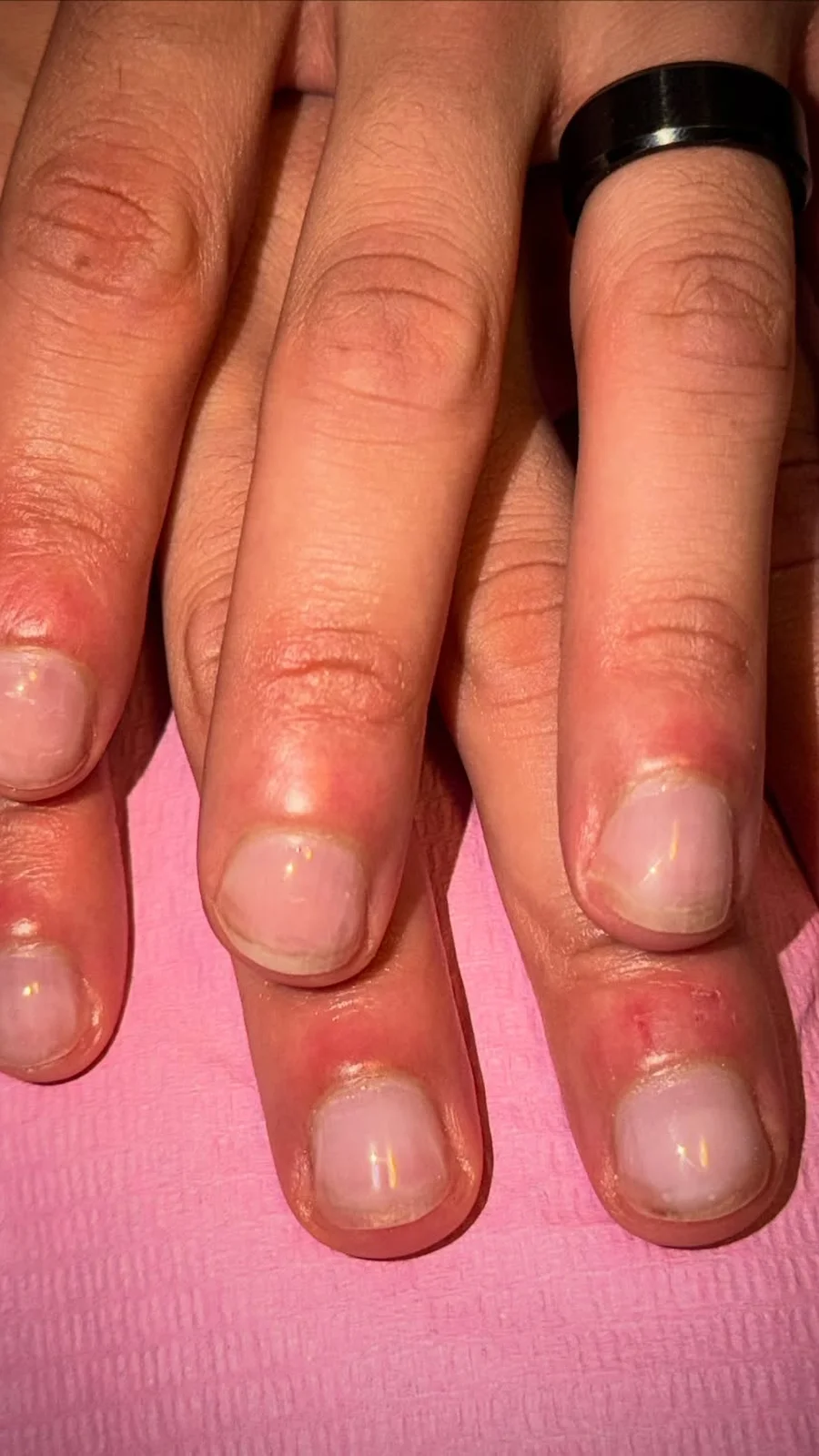
Let’s skip the lecture. If you bite your nails, you already know it is not a great habit. You have probably tried to stop before, lasted a few days, then caught yourself mid-bite during a boring meeting or a stressful evening. That does not make you weak. It makes you normal. Nail biting is one of the most common habits there is, and it sticks around precisely because it feels so small. It is just nails, right?
It is not just nails, though. Biting changes how your nails grow, damages the skin around them, wears down your teeth, and gives germs a direct route into your body. Here is the full picture: what biting does, why you do it, and a 30-day plan to stop.
The Short Answer First
Yes, biting your nails is bad for you. Not in a dramatic way, but in a steady, everyday way that adds up. Every bite tears the nail plate, bruises the skin around it, and leaves tiny open wounds on your fingertips. Healthy nails grow from a protected factory under the skin at the base of the nail, and biting keeps injuring that area, so the nails that grow back are weaker, thinner, and more likely to split.
The damage is not only cosmetic. Your mouth is full of bacteria, and your hands pick up bacteria from everything you touch. Biting pushes germs into broken skin and down your throat. The good news: nails recover. The damage is almost always reversible once you stop, because a full fingernail replaces itself in about six months.
Additional Information: Look at your nails right now, in good light. Note which fingers are worst — most people have two or three favourites. Those are the ones to watch first when you start the quit plan.
What Biting Does to Your Nails
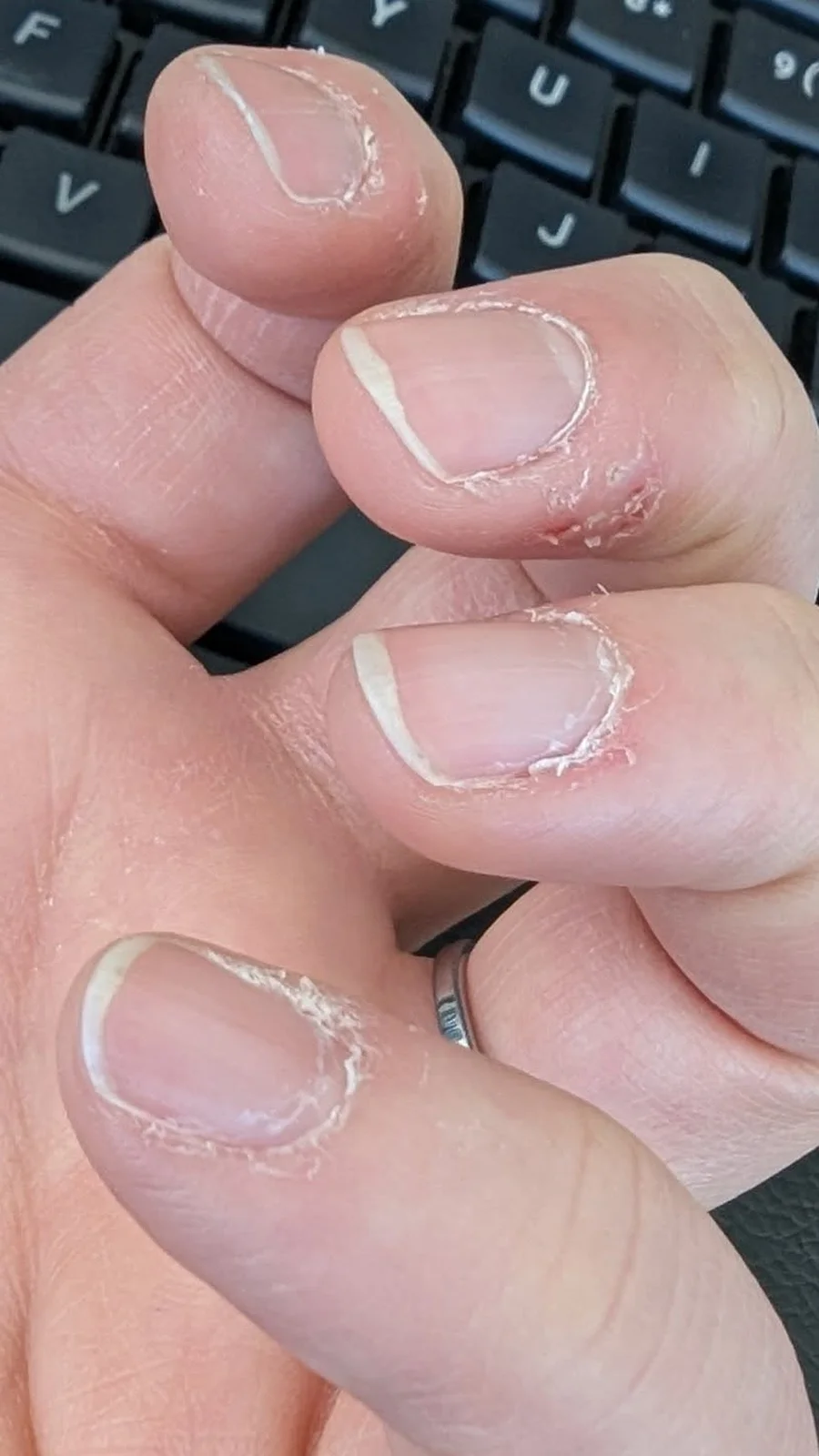
The most visible damage is also the most obvious: bitten nails are short, uneven, and torn at the edges. Biting does not cut the nail cleanly the way clippers do. It rips and crushes the nail plate, leaving jagged edges that catch on fabric and peel further. The free edge ends up so short that the fingertip is exposed, which is why bitten nails often feel tender when you press on anything.
That disruption shows up in the shape of the nail, too. People who bite for years often develop nails that grow back narrower, curved, or ridged down the length. None of this is permanent, but it does not fix itself while the biting continues. And bitten nails break more, not less: a thinned nail plate splits and peels in layers, and that peeling tempts you to bite the loose bit off, which tears the nail further down. The way out is a few weeks of leaving the nail alone.
Additional Information: If a nail peels in layers, do not bite the loose edge off. File it smooth with a fine-grit file instead. It takes thirty seconds, and it removes the temptation without tearing the nail any shorter.
What It Does to the Skin Around Them
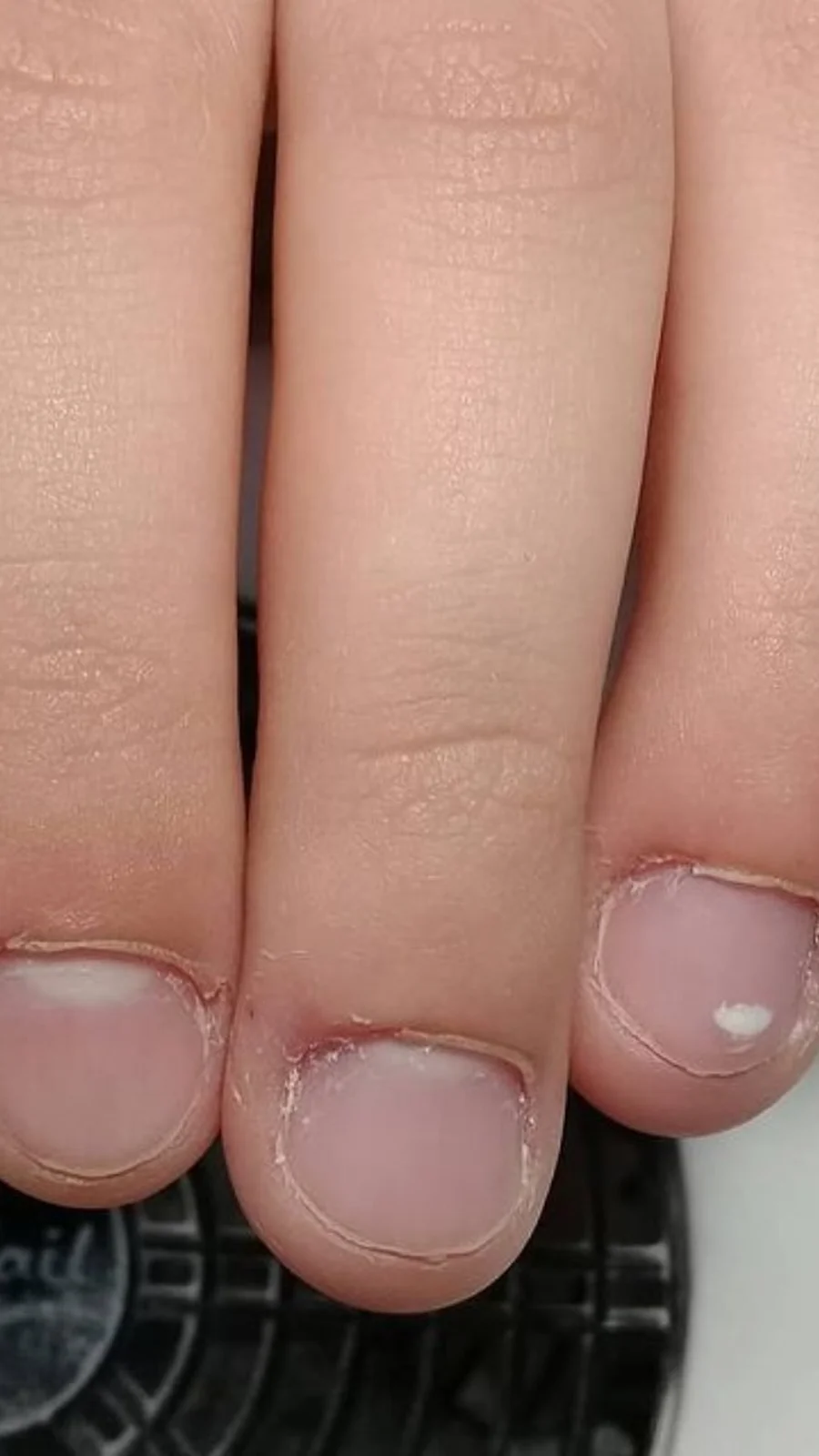
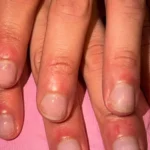
The skin around your nails takes more punishment than the nails themselves. Biting rarely stops at the nail. Most biters also chew the cuticles, tear at hangnails, and pick at the skin on the sides of the fingers. That skin is thin and full of tiny blood vessels, so it bleeds easily and heals slowly — especially when it gets bitten again the next day. The result is the familiar look of bitten hands: red, sore fingertips and raw cuticles.
Those open spots are also where infections start. The most common one is paronychia, an infection of the skin around the nail. It begins as redness and tenderness, then swells, throbs, and sometimes fills with pus, and it usually needs a doctor and antibiotics. Chronic biters get it again and again, because the skin never gets a long enough break to seal. When the cuticle is chewed away, the nail matrix underneath also loses its protection.
Additional Information: If a fingertip is red, swollen, warm to the touch, or throbbing, stop picking at it and keep it clean with soap and water. If it gets worse over a day or two, or you see pus, see a doctor — infections around nails can spread fast.
What It Does to Your Teeth
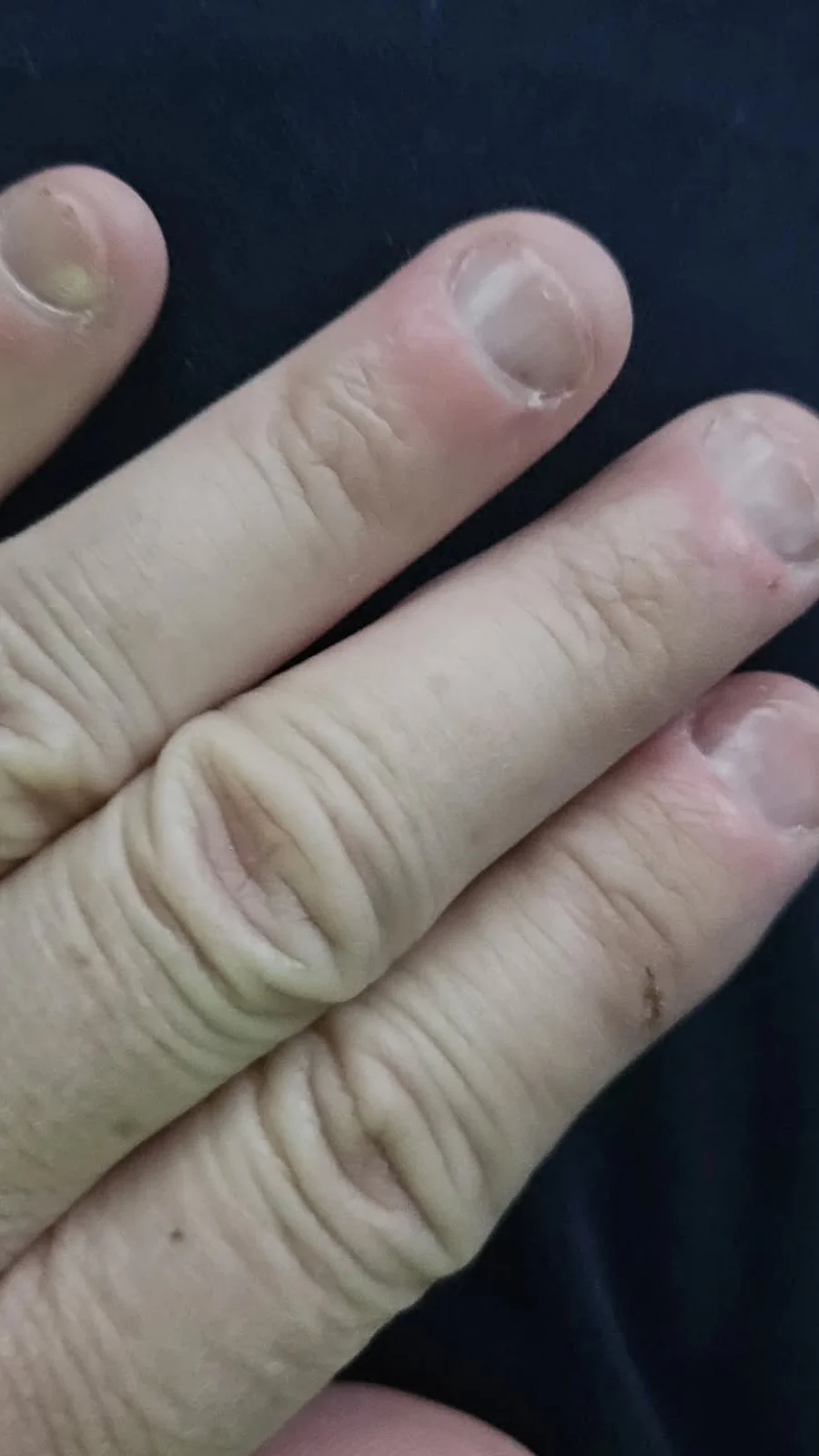
Nails are harder than most people think, and your teeth were not designed to cut them. Biting nails puts repeated pressure on the front teeth, which can wear down the enamel — the hard outer layer that does not grow back. Over years, that wear shows up as chipped edges, tiny cracks, and teeth that look shorter or flatter than they used to. Dentists can often spot a nail biter just by looking at the front teeth.
The pressure does more than wear the surface. It can shift teeth slightly out of alignment, especially in teenagers and young adults, and irritate the gums. Every bite also drives nail fragments and germs under the gum line, where they cause inflammation. Your jaw feels it as well: nail biting is a repetitive clenching motion, and people who bite a lot often clench their jaw at the same time, which feeds into jaw soreness and teeth grinding at night.
Additional Information: Run your tongue along the edges of your front teeth. If they feel rough, uneven, or chipped in a way you had not noticed, that is likely wear from biting. A dentist can smooth small chips, but the wear stops only when the habit does.

The Germs You Don’t See
Your hands touch door handles, phones, keyboards, money, and railings all day. Every one of those surfaces leaves bacteria on your skin. Normally that is fine, because your skin is a barrier and you wash your hands before you eat. Nail biting breaks that system completely. It carries whatever is on your fingertips straight into your mouth, several times a day, and pushes it into the tiny cuts around your nails at the same time.
The germs involved are ordinary ones. Staphylococcus and E. coli live on skin and surfaces everywhere, and they are harmless on unbroken skin. In an open cuticle or swallowed with nail fragments, they can cause skin infections, stomach upsets, and colds that seem to come from nowhere. Washing your hands helps, but it does not solve it, because nobody washes their hands before every single bite.
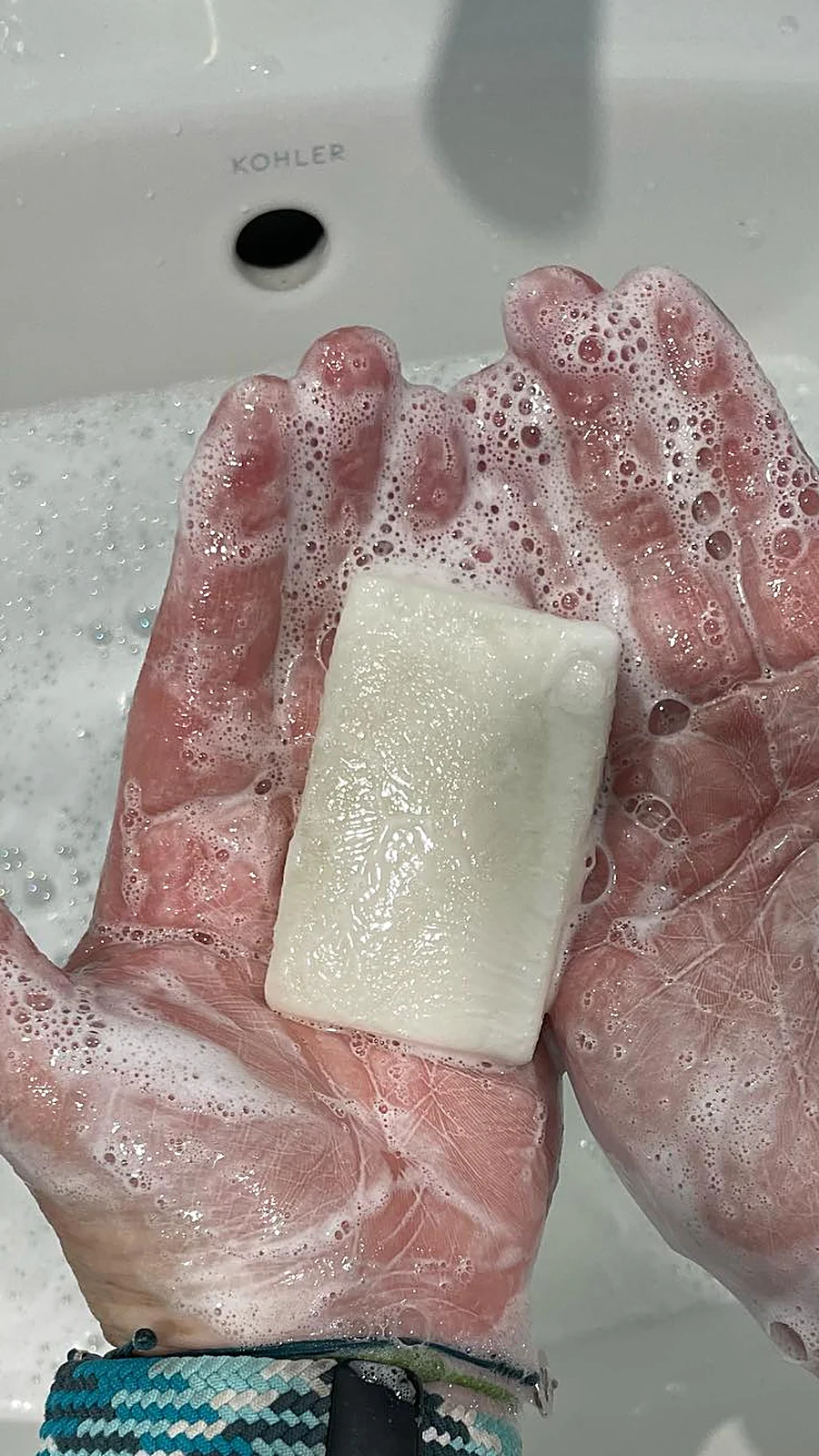
Additional Information: Wash your hands before meals and after being out, every time. It will not stop the biting, but it cuts down the germs you swallow while you are still working on quitting.
Why You Keep Doing It
Nail biting is almost never about the nails. It is about what is happening in your head when your hand drifts to your mouth. For most people it is one of three things: stress, boredom, or concentration. Stress biting is the classic one — a deadline, an argument, a waiting room — and it works, briefly, because the biting gives your nervous energy somewhere to go. Boredom biting is the quiet one: television, a long drive, a dull lecture, and suddenly a nail is gone.
That is the key detail. Most bites are automatic. You do not decide to bite; your hand is already there. That is why telling yourself to “just stop” fails. The fix has to work at the same level: notice the moment before the bite and give your hands something else to do in that exact second. For some people, biting is tied to anxiety or low mood. Breaking the loop does not require fixing your whole life. It requires one small, reliable replacement for the bite itself.
Additional Information: For one day, keep a small note on your phone and mark every time you catch yourself biting — just the time and what you were doing. Most people find a pattern within a day: the same two or three situations, over and over.
The 30-Day Quit Plan, Step by Step
Quitting in one leap rarely works, so this plan runs in four weekly steps. Each week adds one thing and keeps the one before it.
Week one is about noticing. Keep your nails short and filed smooth, so nothing ragged tempts you. Put cuticle oil where you sit most, and use it every time you catch yourself reaching for your mouth. It keeps cuticles soft so they stop snagging, and gives your hands a task that is not biting. Add bitter-tasting polish for an extra alarm: it turns an automatic bite into a conscious moment.
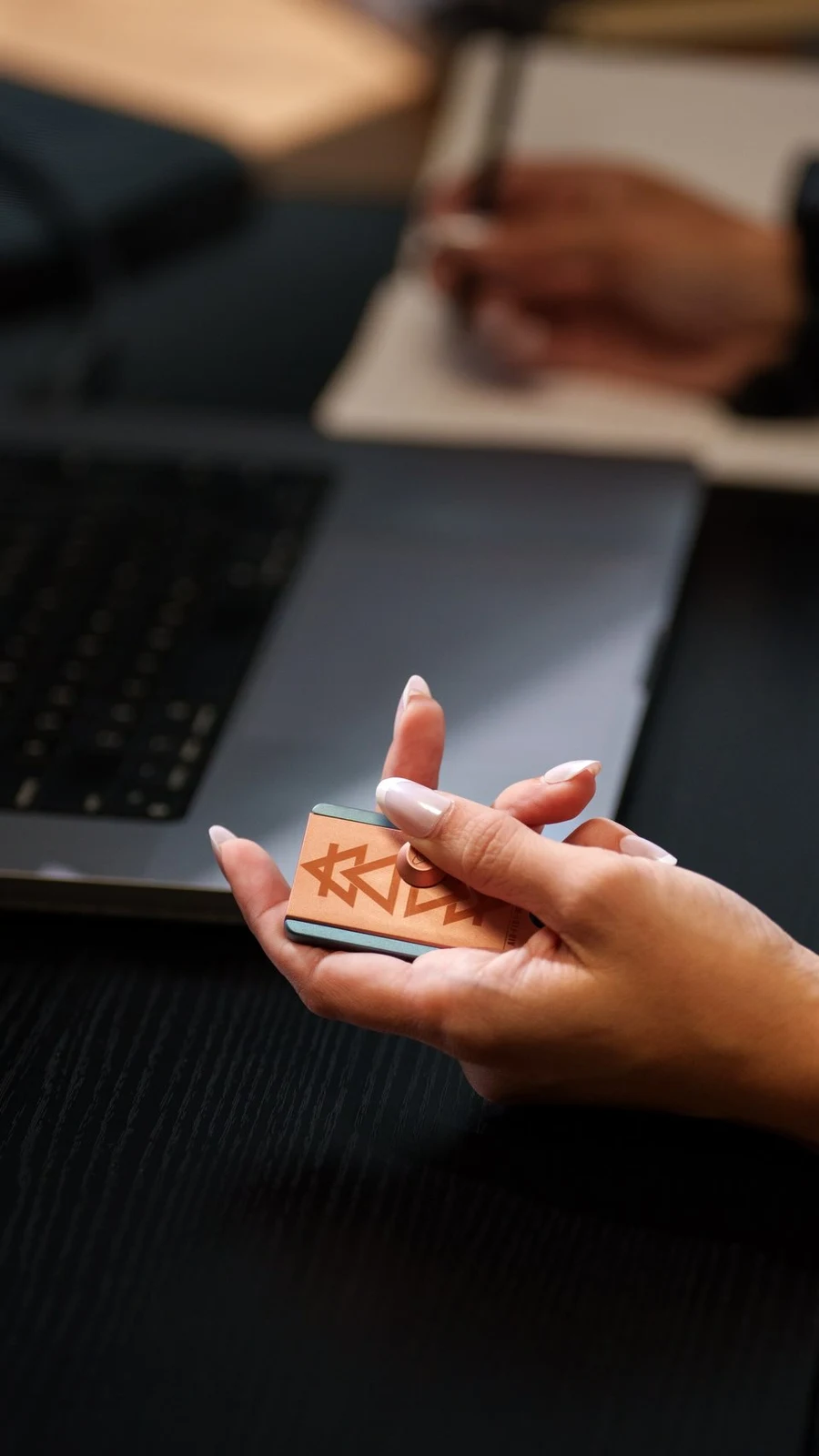
Week two is about the replacement. Pick one thing your hands do instead of biting — a stress ball, a fidget cube, a smooth stone, even a pen — and keep it within reach at all times. When the urge comes, hands go to the replacement, not the mouth. Most urges peak for about thirty seconds and then fade. Keep a tally of wins, not failures.
Week three is about your triggers. Take your top trigger — the meeting, the commute, the evening scroll — and change one thing about it. Wear gloves while you watch television. Keep your hands busy with a mug of tea during calls. This is also the week your nails start to look different: the free edge grows past the fingertip, and the cuticles calm down. Take a photo.
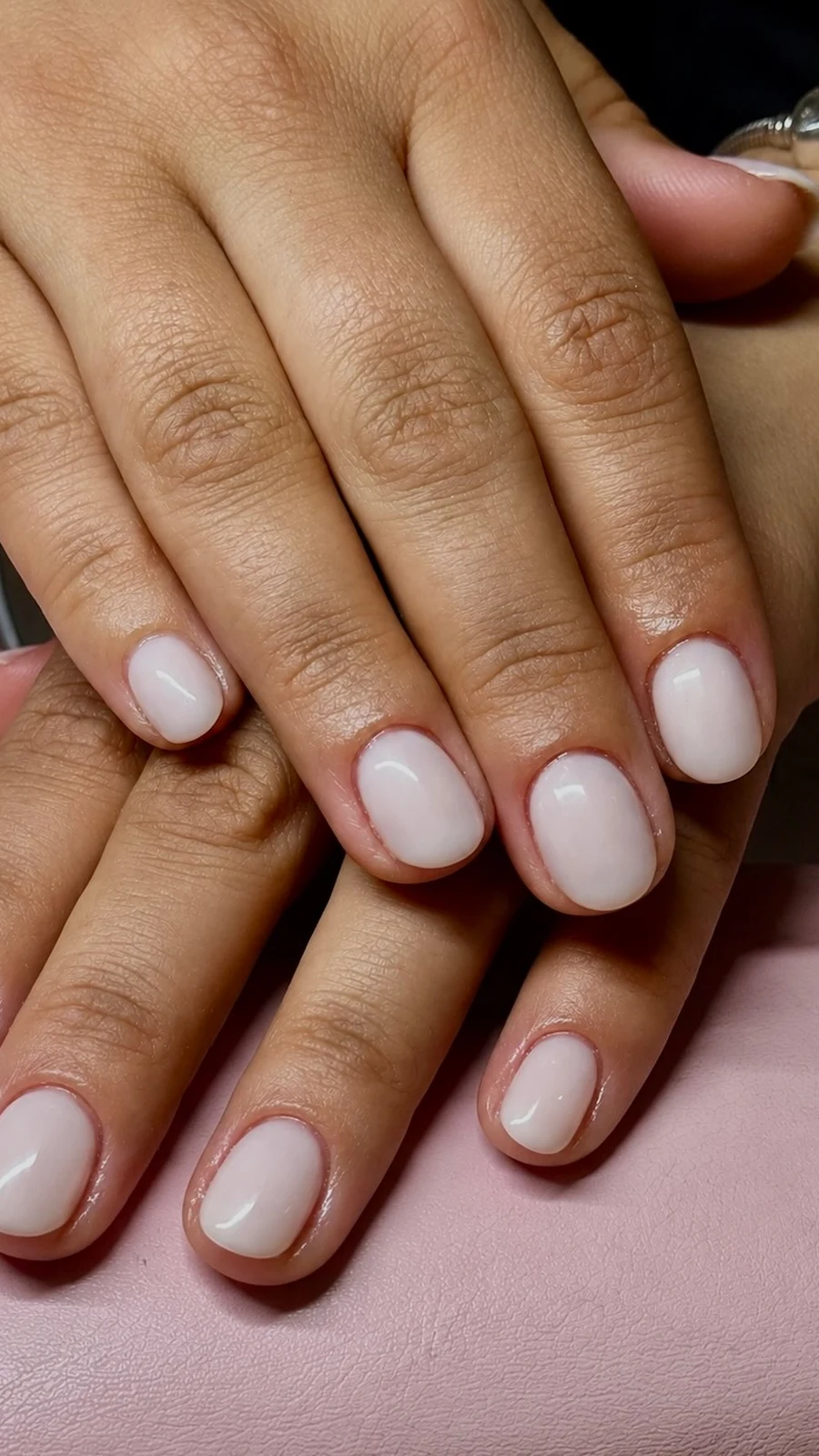
Week four is about making it stick. Book a manicure, or give yourself one at home: file, oil, a clear base coat, and a colour you love. A manicure you paid for — or spent time on — is something you protect. Keep the routine going: oil every night, file once a week, replacement tool always nearby. If you slip, do not restart the month. A slip is one bite, not a failure. People who quit for good are the people who slipped and kept going anyway.
Additional Information: Set a daily phone reminder for week one that simply says “oil your cuticles”. It takes ten seconds, and it is the single easiest habit in this whole plan — but it does the most quiet work, because soft cuticles do not snag.
What Healing Actually Looks Like
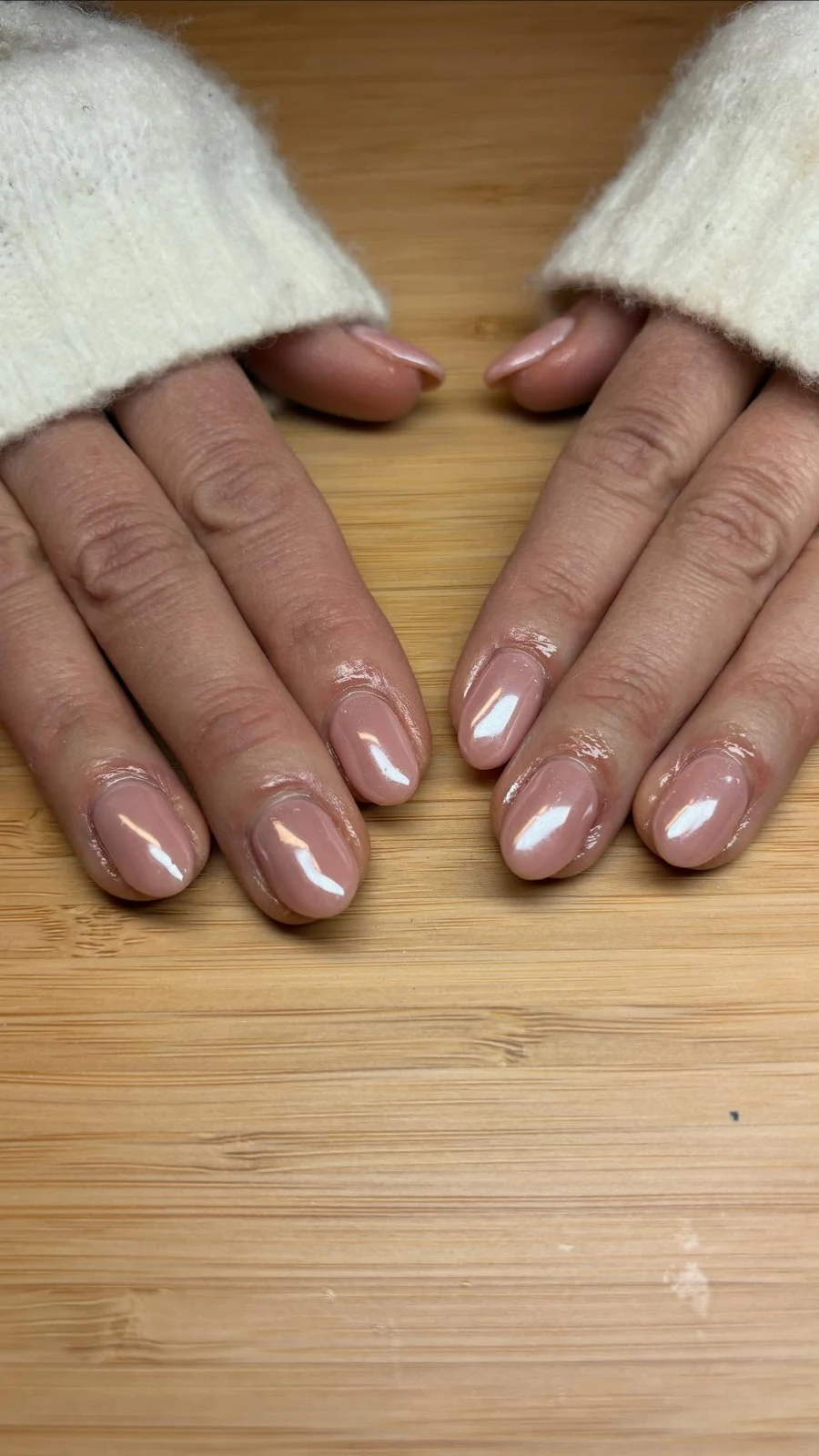
The first thing that heals is the skin. Within a week of not biting, the redness around the cuticles fades and the little scabs close. Within two weeks, the cuticles lie flat again and the soreness is mostly gone. The nails take longer, because they grow slowly, but you will see the change at the base first: a smooth, clean half-moon of new nail pushing out from the cuticle. That new growth is your proof, so keep oiling it.
By week four, most people have a visible free edge on at least a few nails. By month three, half the nail is new growth. By month six, the whole nail has replaced itself, and the bitten nail is simply gone. Healing is not a straight line. Some nails grow faster than others, and a bad week can leave a ridge that takes months to grow out. But every week you do not bite, the nails get a little better, and one day you realise you have not thought about biting in days.
Additional Information: Take a photo of your hands today, and again on day 30. Keep both. The day-30 photo keeps people going through the wobbly middle weeks, because the change is obvious side by side.
When to Get Extra Help
Most nail biting responds to the plan above, given a month of honest effort. But some biting needs more than a plan. If you bite until your fingers bleed regularly, if you cannot stop even when you really want to, or if the biting is tied to anxiety that is getting worse, that is not a willpower problem. It is a sign that the habit has deeper roots, and a professional can help you pull them out.
The most effective professional help is habit reversal training, a short, practical therapy that teaches you to notice the urge earlier and replace the bite with a competing response. It is usually a handful of sessions, not months of treatment. A doctor is the right call for infections that keep coming back, or nails that do not grow back normally after months of not biting. Nail biting is a recognised habit, not a character flaw, and asking for help is choosing the tool that fits the job.
Additional Information: If you decide to see someone, look for a therapist who lists habit reversal training or body-focused repetitive behaviours in their work. One or two sessions are often enough to learn the technique — the rest is practice.
Frequently Asked Questions
Is biting your nails bad for your health?
Yes. It damages the nails and the skin around them, wears down tooth enamel, and carries bacteria from your hands into your mouth and into the small cuts on your fingertips. The damage is usually reversible once you stop.
Why do I bite my nails without realising?
Because the habit is automatic. It usually starts as a response to stress, boredom, or concentration, and over time the hand-to-mouth movement stops needing a conscious decision. Noticing the moment before the bite works better than willpower alone.
How long does it take for bitten nails to grow back?
The skin around the nails heals in one to two weeks. Fingernails grow about three millimetres a month, so a full nail replaces itself in roughly six months. You will see healthy new growth at the base within the first month.
Does bitter nail polish actually stop nail biting?
It helps many people, especially in the first weeks. The bad taste turns an automatic bite into a conscious moment, which gives you a chance to stop. It works best combined with a replacement habit and cuticle care, not on its own.
Can bitten nails ever look normal again?
Almost always, yes. Once the biting stops, the nail matrix recovers and new nail grows in smooth and healthy. Deep or very long-term damage can leave a ridge or a changed shape, but for most people the nails look normal within six months of quitting.
Should I see a doctor about nail biting?
See a doctor if a fingertip is swollen, throbbing, or filled with pus, or if infections keep coming back. See a therapist trained in habit reversal if you cannot stop despite really trying, or if the biting is tied to anxiety that is getting worse.
Conclusion
So, is biting your nails bad? Yes — but it is also fixable, and that is the part worth holding on to. The damage is real: torn nails, sore cuticles, worn teeth, and germs you never see. But none of it is permanent. Your nails are already growing the replacement. All quitting does is stop interrupting them.
Start small, and start today. File the ragged edges smooth. Oil your cuticles tonight. Put something in your hands for the next urge, and notice what triggers it. Give it thirty days, not thirty minutes. You do not need perfect nails to begin, and you do not need to be perfect to quit.

Leave a Reply