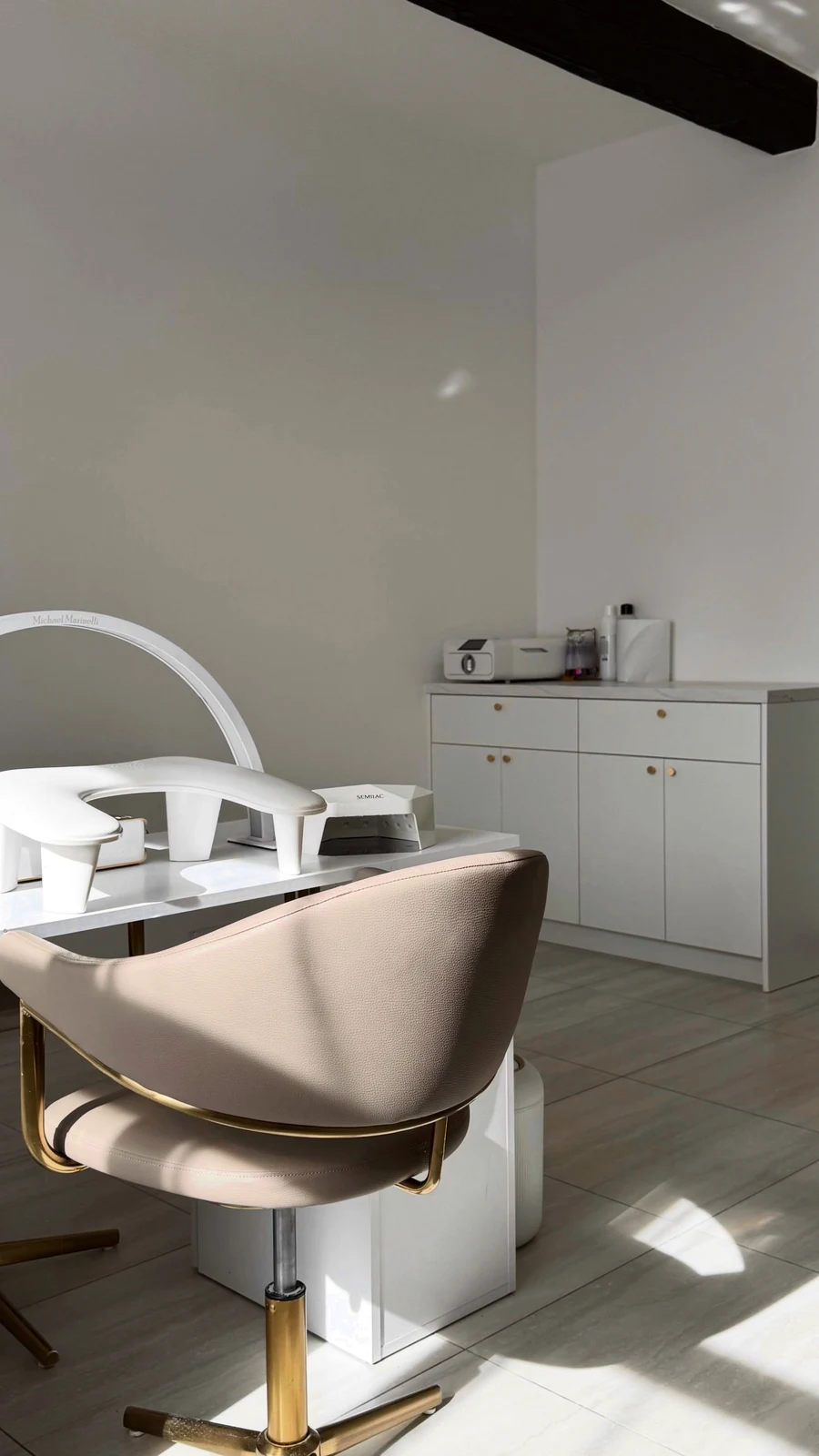
You know the feeling. You sink into the pedicure chair, the warm water bubbles around your feet, someone hands you a magazine, and for the next hour the only decision you have to make is square or almond. A nail appointment is supposed to be the easiest hour of your week — the one where you hand your hands over to someone else and switch off.
And most of the time, it is exactly that. But here is the part nobody puts on the salon’s Instagram page: a manicure is also one of the few beauty treatments where tiny breaks in the skin, shared tools, warm water and a dozen strangers’ hands all meet in the same small room. When the hygiene is good, you never notice it — that is the whole point of good hygiene, it is invisible. When it is not good, the consequences are not invisible at all: infections that take weeks to clear, nails that lift and discolour, skin that stays sore long after the polish has chipped away.
This is not a scare piece. Millions of manicures happen every day without a single problem, and most salons take cleanliness seriously. But the difference between a salon that is genuinely clean and one that only looks clean is not something you can tell from the chandelier in the waiting area or the number of followers on their page. It lives in smaller details — a sealed pouch, a fresh file, a foot bath that gets cleaned the right way, a technician who washes her hands before she touches yours.
So consider this a guided tour of your next appointment, from the moment you start looking for a salon to the moment you walk out with wet polish and dry hands. We will go through what clean actually looks like, what the real risks are, the questions worth asking out loud, and the handful of habits that protect your nails long after you leave the chair. By the end, you will be able to walk into any salon in the world and know within sixty seconds whether your nails are in safe hands.
Before You Book: The Five-Minute Check That Saves Your Nails
The best time to judge a salon is before you ever set foot in it, when you are sitting on your sofa with your phone. Five minutes of looking saves you from an hour of wondering, and the clues are all sitting in plain sight.
Start with the salon’s own photos — not the polished ones of finished nails, but the ones that accidentally show the room behind them. Are the stations tidy or cluttered with used tools? Are there sealed pouches on the table, or loose implements lying in a drawer? Do the pedicure chairs look wiped down between clients, or is there a towel still draped over the last person’s chair? A salon that is proud of its hygiene shows it without thinking about it. A salon that never shows its workstations in photos is worth a second look.
Then read the reviews the way a detective would. Ignore the five-star reviews that only say “love my nails” and the one-star reviews that only complain about the price. Look for the middle — the reviews that mention cleanliness, the ones that say “they opened a fresh file in front of me” or “everything was in sealed packets.” Those are the reviews that tell you what actually happens in the chair. And if several reviews mention the same thing — a dirty bathroom, tools that looked used, a smell — believe the pattern, not the exception.
Finally, check the licence. In most places a nail salon needs a business licence and its technicians need individual licences, and a legitimate salon displays them on the wall. Many salons now post them on their website or social media too. It takes thirty seconds to look, and it tells you the salon is accountable to someone beyond its own front door. If you cannot find any sign of licensing anywhere, that is not proof of anything bad — but it is the absence of a very basic reassurance, and reassurance is what you are shopping for here.
Additional Information: Check before booking: recent photos of the workstations (not just finished nails), reviews that specifically mention cleanliness and fresh tools, and visible licensing. Three green signals together are a strong sign; a pattern of complaints about dirtiness is a reason to book elsewhere.
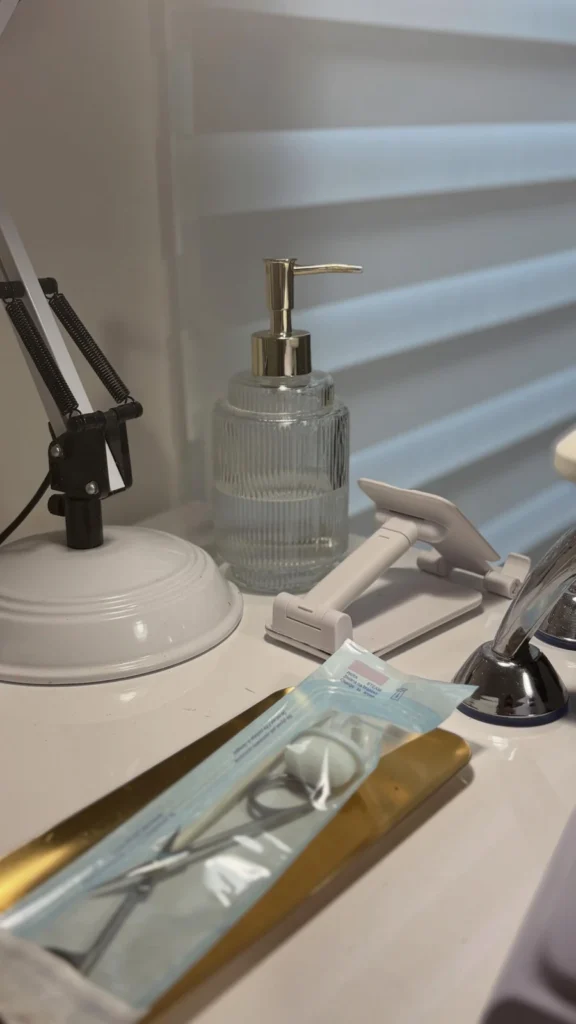
The First Thirty Seconds Inside
You can learn almost everything you need to know about a salon in the first thirty seconds after you walk through the door, before anyone has touched your hands. Trust your senses — they are better instruments than you think.
Start with your nose. A good salon smells faintly of clean — soap, disinfectant, maybe a little polish. A salon that smells overpoweringly of chemicals, the kind of smell that catches in the back of your throat, is telling you something about its ventilation before anyone has said a word. Strong chemical smell does not automatically mean the salon is dirty, but it does mean the air is not moving well, and you will be breathing that air for an hour.
Then look down, and look around. Are the floors clean? Are the stations wiped down, or is there dust and polish residue on the table from the last client? Is there a bin that is overflowing, or towels piled up waiting to be washed? The state of the room you can see is a fair preview of the state of the things you cannot see. A salon that keeps its visible surfaces immaculate is usually just as careful with its tools; a salon that lets its stations stay messy rarely has a rigorous system hiding behind the scenes.
And then — this is the test most people skip — glance at the bathroom. You do not have to use it; just look. A clean, stocked bathroom with soap and paper towels is one of the most reliable signs of a salon that takes hygiene seriously, because it is the room nobody photographs for Instagram. If the bathroom is grimy, the salon’s standards are not where they should be, no matter how pretty the manicure stations look.
If anything in those thirty seconds makes you uneasy, you are allowed to leave. You have not paid yet, you have not sat down, and no polite person in history has ever regretted walking out of a salon that felt wrong. A good salon will never make you feel awkward for caring about cleanliness — the good ones are proud of it.
Additional Information: Your 30-second check: smell (faintly clean, not overpowering chemicals), floors and stations (wiped, tidy, no residue), bathroom (clean, soap and towels present). Any one of these failing is a reason to pause; two failing is a reason to leave.
The Tool Test: Sterilised, Disinfected, or Just Wiped?
Here is the single most important distinction in this whole article, and it is one most clients have never been told: cleaning, disinfecting and sterilising are three different things, and only one of them is enough for the metal tools that touch your skin.
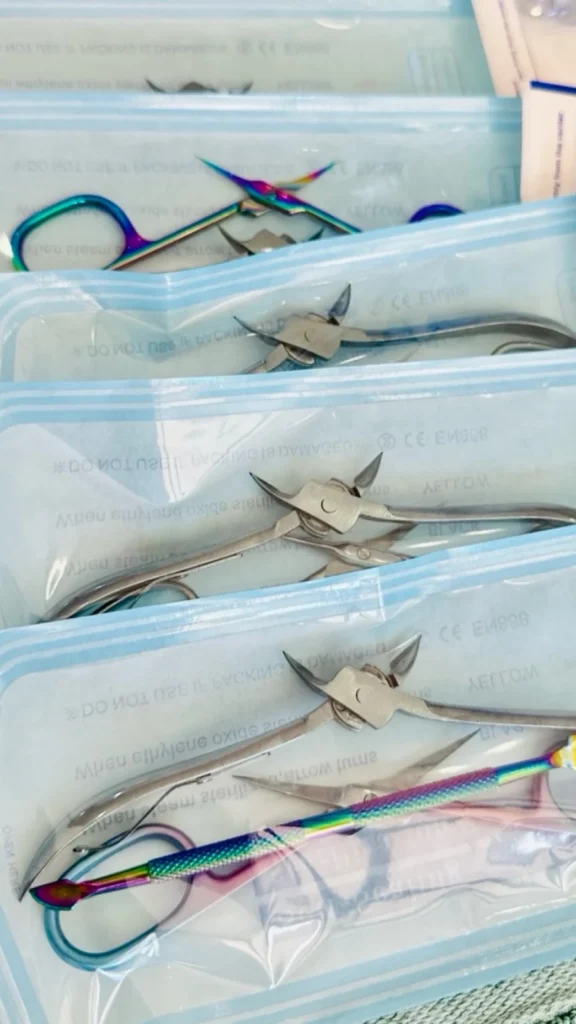
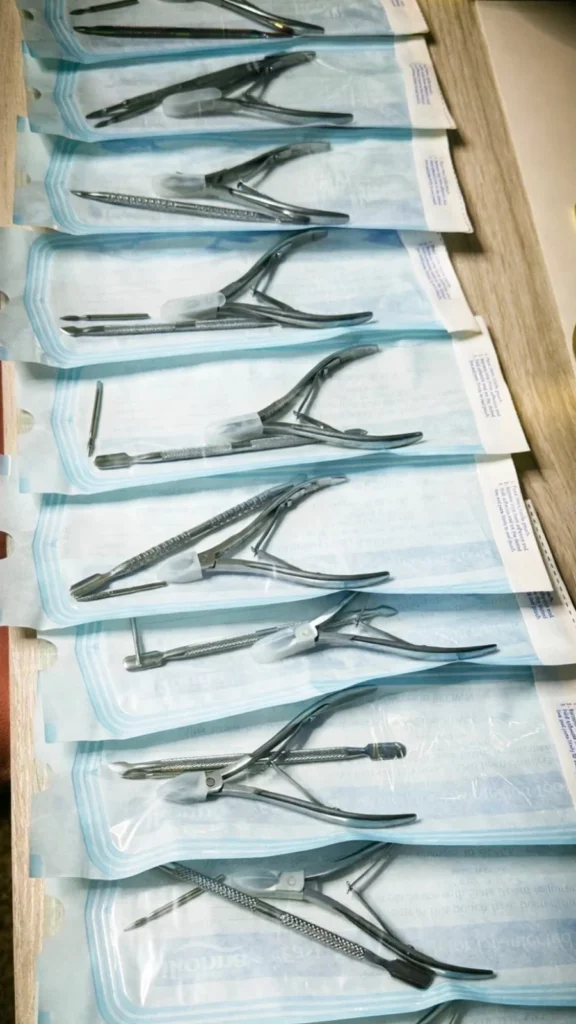
Cleaning is soap and water — it removes visible dirt. Disinfecting is soaking tools in a hospital-grade solution, which kills most germs on the surface. Sterilising is the heavyweight: heat and pressure in an autoclave, which kills everything, including the spores that disinfectant can miss. Metal tools that cut or push skin — nippers, clippers, cuticle pushers — should be sterilised between every single client. That is the standard, and it is not an unreasonable one.
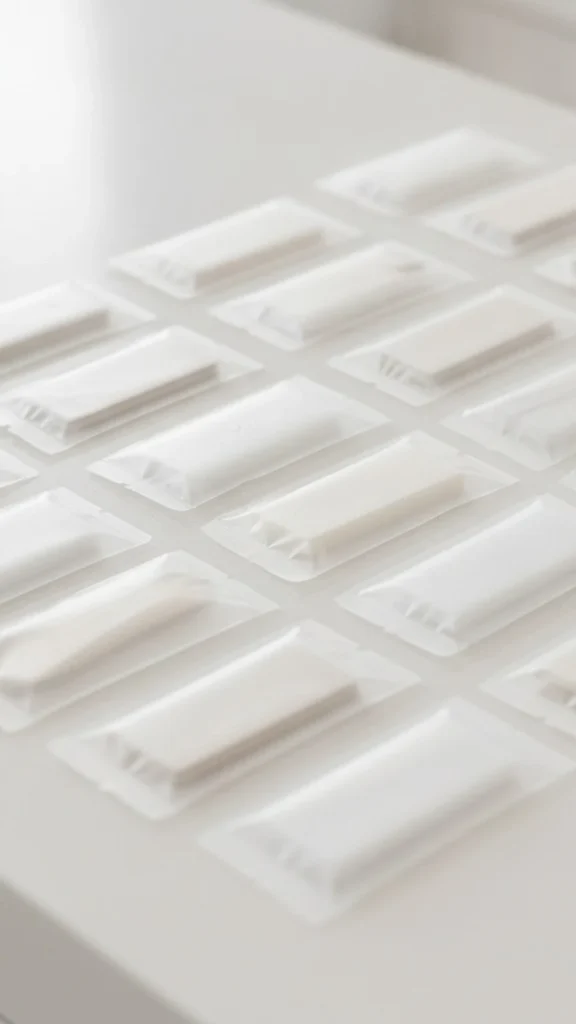
So what should you actually look for? Sealed pouches. In a salon that sterilises properly, metal tools come out of the autoclave sealed in paper pouches, often with a little colour-change strip that shows the pouch went through the heat cycle. Your technician should open a fresh pouch in front of you, at your station, for your appointment. That one gesture tells you more about the salon than any certificate on the wall, because it is the system working exactly as it should, in front of your eyes.
What should worry you is the alternative: tools sitting loose in a drawer, tools in a jar of blue liquid with no label and no timer, or a technician who reaches for the same implements she used on the person before you. The blue liquid — usually Barbicide or something similar — is a disinfectant, and it has its place, but it is not a substitute for sterilisation on metal tools, and it only works if the tools soak for the full recommended time, usually ten minutes. A quick dip and a wipe is not disinfection. It is theatre.
You are allowed to ask. “Are these tools sterilised?” is a completely normal question, and a good technician will answer it happily, sometimes even showing you the autoclave. If the answer is vague, defensive, or a laugh, you have learned something important. And if you ever see a tool with visible residue on it — polish, skin, anything — say so and ask for a fresh one. It is your skin. You do not need to be shy about it.
Additional Information: The standard: metal tools sterilised in an autoclave between every client and opened from sealed pouches at your station. Disinfectant soak (e.g. Barbicide) is a step, not a substitute, and only works with the full soak time. Loose tools in a drawer or a quick dip-and-wipe are red flags.
The Single-Use Rule: What Should Never Touch Two People
Some things in a nail salon are meant to be used once and thrown away, and this is not a luxury — it is the basic hygiene rule of the whole industry. If something is porous, it cannot be properly sterilised. A nail file is porous. A buffer is porous. An orangewood stick is porous. A pumice stone is porous. Once they have touched one person’s nails and skin, they carry that person’s skin cells and microbes in their fibres, and no amount of spray or soaking gets them out.
So the rule is simple: your file, your buffer, your stick, your pumice — all of it should be new, opened in front of you, and thrown away when you leave. In most good salons this is so routine that the technician does it without a word: a fresh file comes out of a packet, and at the end of your appointment it goes straight in the bin. Watch for it. It is a small gesture, and it is one of the clearest signs that a salon runs a proper system rather than cutting corners.
Where this goes wrong is quieter than you might expect. Nobody announces that they are reusing your file. The signs are subtle: a file that looks worn and grey instead of crisp and new, a buffer with polish stains already on it, a pumice stone that lives permanently beside the pedicure chair. If you notice any of that, ask for a fresh one. And if the salon treats the request as strange, that tells you the salon is not used to being asked — which is its own answer.
There is one more thing worth knowing: some salons offer to keep “your” file with your name on it for your next visit. That sounds thoughtful, and it can be fine if the file is stored cleanly, in a sealed bag, labelled with your name only. But a communal box of used files with names scribbled on them is not a hygiene system — it is a shelf of shared germs with good intentions. If in doubt, a fresh file every time is the simpler, safer choice.
Additional Information: Single-use items: nail files, buffers, orangewood sticks, pumice stones, toe separators, pedicure liners. All must be new per client and binned after. A worn, stained or grey file is a reused file — ask for a fresh one.
The Foot Bath Deserves Its Own Chapter
If there is one place in a nail salon where hygiene matters most, it is the pedicure bowl. Everything about a foot bath is designed, by accident, to be the perfect environment for germs: warm water, skin, tiny nicks and cracks, and a long soak that softens everything up. It is also the part of the appointment people relax into the most, which is exactly why it deserves the most attention.
There are two kinds of foot baths. The old-fashioned whirlpool tubs have jets and pipes that circulate the water, and those pipes are the problem — water sits inside them between clients, and if they are not flushed and disinfected properly, bacteria grow in the lines and get blown back out at the next person’s feet. The newer pipe-less tubs, or tubs with a disposable plastic liner, are much easier to clean: fresh liner, fresh water, wipe the basin, done. If you have the choice, a salon that uses liners is a salon that has thought about this properly.
What does proper cleaning actually look like? Between every client, the tub should be drained, scrubbed with soap, disinfected with a hospital-grade solution for the full recommended contact time, and rinsed. At the end of the day, the jets should be flushed and the filters cleaned. That takes time, and you can sometimes tell whether it happened: the water should be clear and fresh when you put your feet in, the basin should smell faintly of disinfectant rather than of the last person’s soak, and there should be no visible residue around the jets or the drain.
One more thing, and it matters more than people think: if you have any cut, graze, blister, insect bite or cracked skin on your feet or lower legs, skip the soak. Warm water and a tiny opening in the skin are an open invitation for bacteria, and no foot bath in the world is sterile enough to make that a good idea. Book the manicure instead, or wait until the skin has healed. A good salon will tell you the same thing — and if they do not ask about cuts before a pedicure, ask yourself whether they ask about anything at all.
Additional Information: Pedicure tubs must be drained, scrubbed, disinfected and rinsed between every client; jet pipes need flushing daily. Disposable liners are the safest option. Never soak feet with cuts, grazes, blisters or cracked skin — skip the pedicure until healed.

Hands: Theirs and Yours
It sounds obvious, and it is — but obvious is not the same as automatic. Hands are the main way germs move around a nail salon: from the door handle to the technician’s hands to your hands to the tools and back again. Everything else in this article depends on the people in the room washing their hands properly, and it is worth watching whether they do.
Your technician should wash her hands, or use sanitiser, before she starts on you — and again after she finishes the previous client. She should also wash or sanitise between clients even if she is wearing gloves, because gloves are not magic. They tear, they get touched on the outside, and they are only as clean as the hands that put them on. A technician who puts on a fresh pair of gloves in front of you, after washing her hands, is doing it right. A technician who wears the same pair of gloves from the last client is not.
Your hands matter too. Wash yours before your appointment starts, and again when it is over — before you touch your face, eat, or pick up your phone. It takes twenty seconds and it is the cheapest insurance in this whole article. And while we are on the subject: if you are unwell — a cold, a skin infection, a cold sore, anything contagious — reschedule. You are not just protecting yourself; you are protecting the technician and the next ten people who sit in that chair.
There is a small thing that separates good salons from great ones here: the technician who washes her hands where you can see it, without being asked, is a technician who has made hygiene a habit rather than a performance. That is what you are looking for. Not a show, but a routine.
Additional Information: Technicians should wash or sanitise hands before each client and change gloves per client. Wash your own hands before and after the appointment. Reschedule if you are unwell or have a contagious skin condition.
Cuticles: Small Skin, Big Job
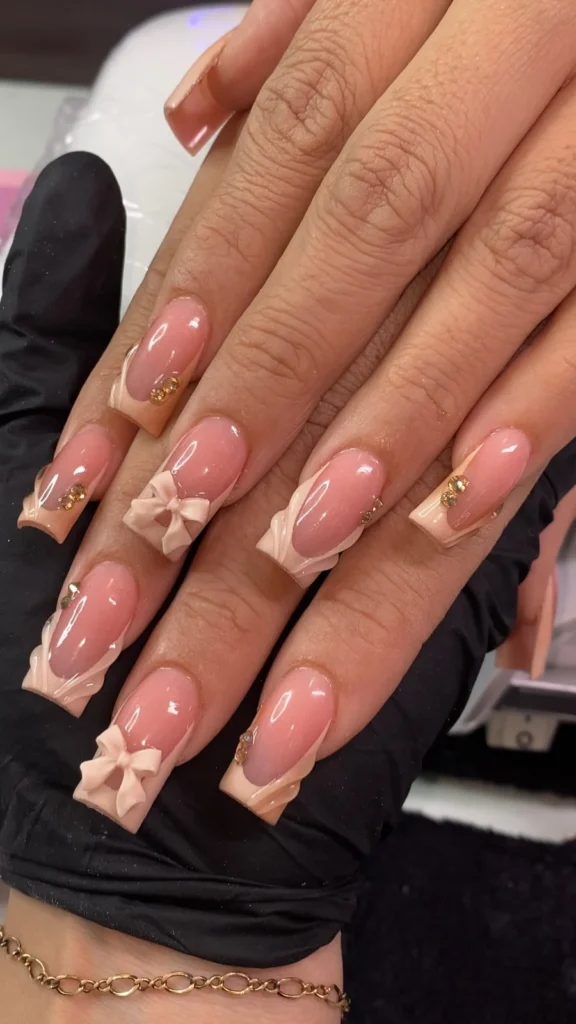
Your cuticles are not decoration. They are the seal that keeps germs and moisture out of the nail bed — a thin, living barrier that your body built for a reason. And yet cuticle cutting is one of the most common, and most casually done, parts of a manicure. It is also one of the places where a small mistake causes a disproportionate amount of trouble.
The problem with cutting cuticles is simple: a cut is a cut. Every snip creates a tiny opening in the skin, and a tiny opening is all bacteria need. Done with a sterilised tool on healthy skin, the risk is low. Done with a reused nipper, or on skin that is already dry and cracked, the risk climbs fast. The infections that start this way — redness, swelling, throbbing around the nail, sometimes pus — are the most common salon-acquired infections there are, and they are also the most avoidable.
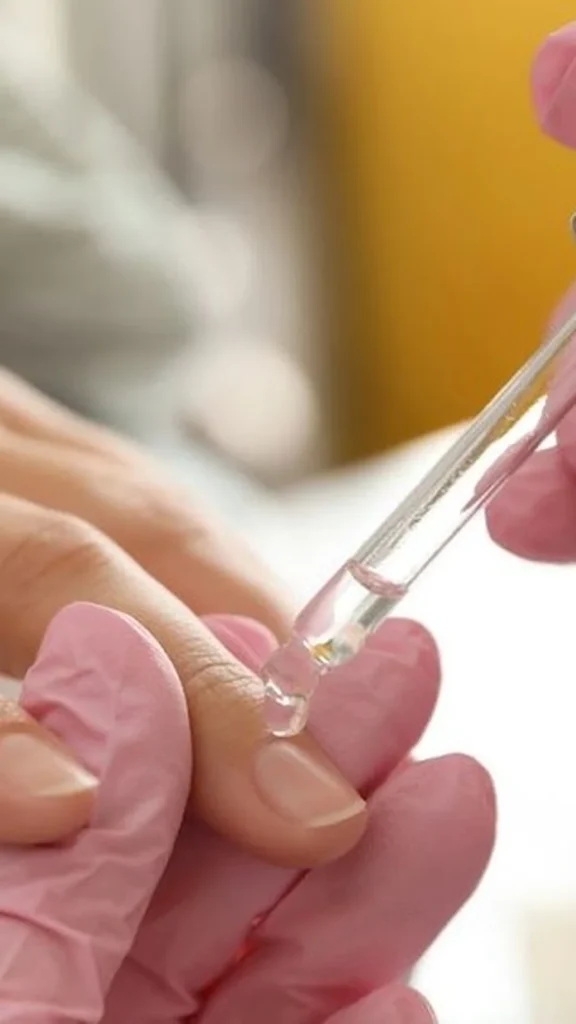
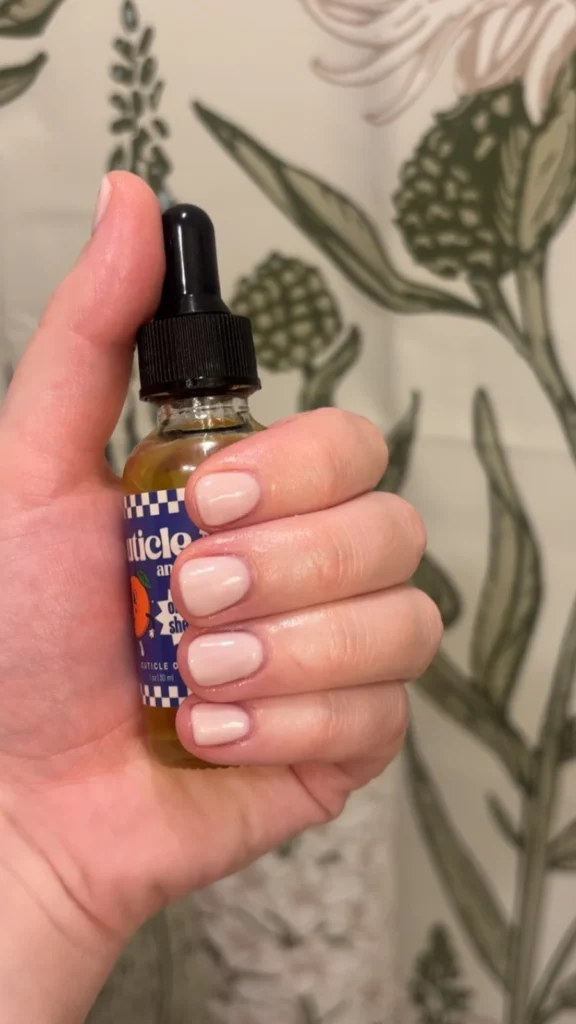
The safer approach, and the one most good salons have moved to, is to push the cuticles back gently rather than cut them. A wooden stick or a soft pusher, a little cuticle oil, and a light touch do the job without breaking the skin. If there is a hangnail or a bit of dead skin that genuinely needs trimming, a sterilised nipper used carefully is fine — but trimming should be the exception, not the routine. If your salon cuts every cuticle on every client as a matter of course, that is a habit worth questioning.
And one rule for you, at home: never cut your own cuticles with the bathroom scissors, and never pick at them. Pushed-back, oiled cuticles look just as neat as cut ones, and they keep doing their job — which is keeping the inside of your finger safe from the outside world.
Additional Information: Cuticles seal the nail bed against germs. Pushing back gently is safer than cutting; cutting creates openings for infection. Nippers must be sterilised. Never cut your own cuticles at home — push back and oil instead.
The Air in the Room: Chemicals and Ventilation
There is a kind of hygiene you cannot see, and it is the air. Nail products — polish, removers, acrylics, gels — release fumes, and in a small room with several stations going at once, those fumes build up fast. You might not notice it on a quick visit, but your lungs notice, and so does your technician, who breathes it all day, every day.
Good ventilation is not a luxury feature. It is the salon’s responsibility, and it comes in a few forms: proper extractor fans at each station that pull fumes away from the breathing zone, good general air exchange, and tables with built-in ventilation. A salon that smells strongly of chemicals has a ventilation problem, whatever else it does right. A salon that smells faintly of clean air, with a gentle breeze from an open door or a quiet fan, has solved the problem properly.
The products matter too. Traditional nail products can contain formaldehyde, toluene and dibutyl phthalate — sometimes called the “toxic trio” — and while the amounts in a single manicure are small, the exposure adds up over years of regular appointments, especially for technicians. Many salons now stock “free-from” ranges, low-odour acrylics and water-based removers, and a salon that offers them is a salon that has thought about health beyond the surface of the nail. It is worth asking what brands they use and whether they carry gentler options, particularly if you are pregnant, have asthma or sensitive skin, or simply get headaches in strong-smelling rooms.
And if you do get a headache, feel dizzy, or your eyes sting during an appointment, say so — and step outside for fresh air. That is your body telling you the ventilation is not coping. A good salon will take that seriously. A salon that waves it away is not a salon to return to.
Additional Information: Look for station extractor fans and good general airflow; strong chemical smell means poor ventilation. Ask about “free-from” polishes and low-odour products, especially if pregnant, asthmatic or sensitive. Headache, dizziness or stinging eyes mean step outside for air.

The Day of Your Appointment: What Not to Do Before You Go
Most of the advice about salon hygiene focuses on the salon. But half of the safety equation walks in through the door with you, and a few small choices on the morning of your appointment make a real difference.
First, do not shave your legs before a pedicure. Shaving creates dozens of tiny nicks you cannot see, and each one is a doorway for bacteria in warm foot-bath water. Shave the day before, or after — never right before. The same goes for waxing. If you have nicked yourself shaving, wait until the skin has healed before booking a pedicure at all.
Second, do not try to “help” by cutting your own cuticles or trimming your nails aggressively at home before you go. You are more likely to create a small cut than a neat result, and a cut is exactly what you do not want going into a salon. Leave the shaping to the professional, and arrive with your nails as they are.
Third, take your old polish off properly — or let the salon do it. Picking and peeling polish off at home strips layers of the nail plate and leaves the nail thin and vulnerable, which makes it more likely to lift and more likely to pick up an infection. Soaking off, at the salon or at home with the right method, is always the kinder option.
And finally, check your own skin before you leave the house. Any cut, graze, rash, blister, sunburn or sore patch on your hands or feet is a reason to postpone — or at least to tell your technician the moment you sit down, so she can work around it. A good technician would rather know than discover it halfway through your appointment. You are not being difficult. You are being a good client, and good salons appreciate good clients.
Additional Information: Don’t shave or wax right before a pedicure — do it the day before. Don’t cut your own cuticles or peel old polish off before your appointment. Check hands and feet for cuts, rashes or sunburn and tell your technician — or reschedule.
After You Leave: Aftercare and the Warning Signs
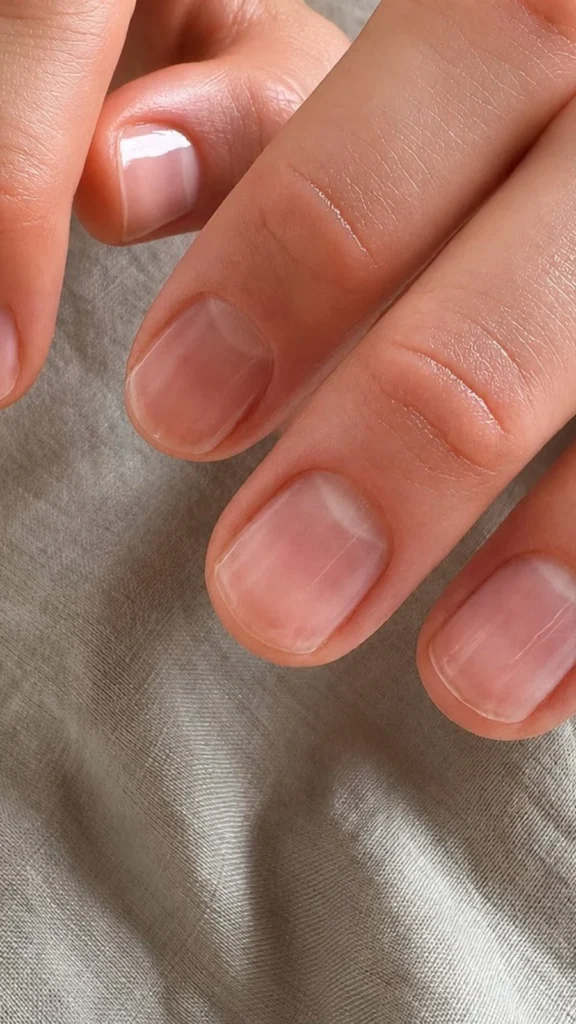
Your appointment ends when you walk out of the door, but your nails’ exposure to germs does not quite end there. Freshly manicured nails — especially after cuticle work, filing or a pedicure soak — have tiny openings and softened skin that take a day or so to settle. What you do in the first 24 to 48 hours matters more than most people realise.
For the first day, treat your hands and feet gently. Avoid hot tubs, swimming pools and long baths. Skip the gym if it means shared equipment and sweaty hands on your fresh manicure. Wear gloves for washing up and cleaning. And moisturise — cuticle oil at night, hand cream during the day — because hydrated skin is a better barrier than dry, cracked skin.
Then watch. A healthy manicure settles quietly: maybe a little tenderness for a few hours, then nothing. An infected one announces itself: redness that spreads rather than fades, swelling, warmth, throbbing pain, or pus around a nail or cuticle. Those are not things to wait out. See a doctor or pharmacist promptly — early treatment is simple, and late treatment is not. The same goes for your feet after a pedicure: redness, itching, blisters or a rash that appears in the days after your appointment deserves medical attention, not another layer of polish to cover it.
And if something does go wrong, tell the salon. Not to complain, but because a good salon needs to know — it may mean a tool was missed, a product was off, or a process needs fixing. Salons that care about hygiene want that feedback. The ones that do not are the ones you should not go back to anyway.
Additional Information: First 24–48 hours: avoid pools, hot tubs and long baths; gloves for chores; cuticle oil and hand cream daily. Warning signs: spreading redness, swelling, warmth, throbbing, pus — see a doctor promptly. Tell the salon too.
Your Sixty-Second Salon Checklist
You do not need to memorise this whole article. You just need this checklist — run through it in your head in the first minute of any appointment, and you will know where you stand.
Green flags — stay and relax:
- Tools come out of sealed pouches, opened in front of you
- A fresh file, buffer and stick for every client
- Foot baths drained and disinfected between clients, or a fresh liner
- The technician washes her hands and changes gloves for you
- Stations, floors and the bathroom are clean
- The air smells faintly clean, not strongly chemical
- The salon is happy to answer questions about its cleaning routine
- Licences are displayed
Red flags — think twice, or walk out:
- Loose tools in a drawer, or the same tools used on the client before you
- A worn, stained file offered as though it were new
- A foot bath that was not drained or cleaned between clients
- No handwashing, same gloves for every client
- Cuticles cut aggressively on every client without asking
- Strong chemical smell and no ventilation
- Dirty bathroom, overflowing bins, dusty stations
- Defensive or vague answers when you ask about hygiene
If a salon ticks the green flags, relax and enjoy your hour. That is what a good salon is for. If it ticks more than one or two red flags, you do not owe it your loyalty, your money, or your nails. There is always another salon, and your hands and feet will be with you a lot longer than any single appointment.
Additional Information: Memorise the checklist, not the article: sealed pouches, fresh single-use items, clean foot baths, handwashing and fresh gloves, clean room and bathroom, fresh air, honest answers. Two or more red flags means walk out — there is always another salon.
Conclusion
A manicure should be the easiest hour of your week, and in a good salon it is. The whole secret of nail salon hygiene is that it is not complicated — it is just consistent. Sealed tools, fresh files, clean water, washed hands, fresh air. None of it is glamorous. All of it matters.
The real point of this article is not to make you anxious about your next appointment. It is the opposite: once you know what clean actually looks like, you can stop wondering and start relaxing. You will know within a minute of walking in whether you are in good hands, and you will know exactly what to ask for if you are not sure. That confidence is worth more than any shade of polish.
So next time you book, spend the five minutes. Look at the photos, read the reviews, check the licence. When you arrive, use your thirty seconds. Watch the pouch open, watch the fresh file come out, notice the clean water. Ask the question if you want to ask it. And then — once you are sure — sink into the chair, open the magazine, and enjoy the hour. You have done the work. Your nails are in safe hands, and now you know it for certain.
FAQ
How can I tell if a nail salon is clean?
Look for sealed sterilised tool pouches opened in front of you, fresh single-use files and buffers, foot baths drained and disinfected between clients, a technician who washes her hands and changes gloves, and a clean bathroom. The room you can see is a fair preview of the systems you cannot.
Do nail salons have to sterilise their tools?
Metal tools that touch skin should be sterilised in an autoclave between every client. Disinfectant soak is a step, not a substitute, and only works with the full recommended soak time. Ask your salon whether it autoclaves — a good salon will answer happily.
Can you get an infection from a manicure or pedicure?
Yes, though it is uncommon in a hygienic salon. The most common infections are fungal infections of the nail, bacterial infections around the cuticle, and skin infections from foot baths. The risk rises sharply with reused tools, unclean foot baths and cut skin. Choosing a clean salon and skipping appointments when you have cuts keeps the risk very low.
Should salons cut your cuticles?
Pushing cuticles back gently is safer than cutting, because cutting creates tiny openings where bacteria can enter. Trimming is fine for a genuine hangnail or dead skin with a sterilised tool, but routine cutting of every cuticle is a habit worth questioning. Never cut your own cuticles at home.
Is it safe to get a pedicure if I have a cut on my foot?
No — skip the soak until the skin has fully healed. Warm water and a small opening in the skin are an easy route for bacteria. Book a manicure instead, or reschedule the pedicure.
What should I do if my nail gets infected after a salon visit?
Do not wait it out. Spreading redness, swelling, warmth, throbbing or pus around a nail needs prompt medical attention — see a doctor or pharmacist. Tell the salon too, so it can check its processes.


Leave a Reply