Walk into any chemist and you will find a whole shelf promising stronger nails. “Hair, skin and nails” blends in pretty pink bottles. The promise is always the same: take this, and your nails will grow long and stop breaking.
Some of it is true. Some of it is marketing dressed up as science. And some of it only helps if you actually have a deficiency — which most people do not. This guide sorts the useful from the useless, in plain words, so you can spend money on the few things that genuinely help and skip the rest.
The One Thing to Know Before You Spend a Rupee
Your nails grow from the matrix, the hidden factory under the skin at the base of each nail. The nail you can see is already dead keratin, so nothing you swallow today can change it. A supplement can only feed the new nail being built right now — and that nail takes about six months to grow from base to tip.
That is why every honest promise about nail supplements comes with a timeline of months, not days. Anyone selling you stronger nails in two weeks is selling you a story.
It is also why food comes first. A balanced diet with enough protein, iron and vitamins covers most people’s nail needs. Supplements fill gaps. They cannot fix nails damaged from the outside — by harsh removers, constant gel, biting, or over-filing. Fix the habits first, then look at supplements.
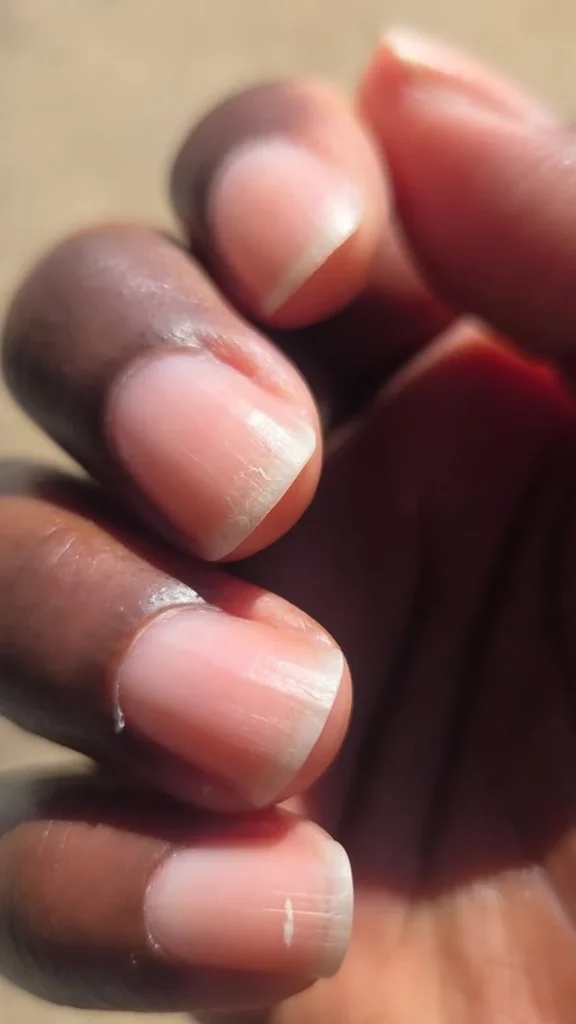
Additional Information: Before buying anything, look at your nails in daylight and note the baseline: colour, smoothness, peeling, ridges. Take a photo and date it. In three months, compare — the new growth near the cuticle is where a supplement shows its work, smoother and firmer, long before the old length has grown out.
The Supplements That Actually Earn Their Place
Not all nail supplements are equal. A few have real evidence behind them, and a few help only in specific situations. Here they are, one by one — what each one does, who it helps most, and what to watch out for.
1. Biotin: The Famous One
Biotin is the vitamin on every “hair, skin and nails” label, and it earned the fame: it helps the body make keratin, the protein nails are built from. People with brittle, splitting nails often see real improvement — firmer nails, less breakage, steadier growth.
Additional Information: Typical doses in nail studies are around 2.5 to 5 mg a day, far above what food provides. Give it at least three months. One honest warning: high-dose biotin can interfere with some blood test results, so tell your doctor you take it before any lab work.
2. Collagen Peptides: The Building Block
Collagen is the protein that gives nails their structure and flexibility. As we age, the body makes less of it, and nails can turn brittle and slow-growing. Collagen peptides — powdered, tasteless, stirred into coffee or a smoothie — give the body the raw material to build more.
Additional Information: Collagen works slowly. Most people notice their nails first — less splitting at the tips, a smoother surface — after two to three months of daily use. It pairs well with vitamin C, which the body needs to use the collagen you take.
3. Iron: The Quiet Deficiency
Low iron is one of the most common reasons nails turn brittle, ridged, or spoon-shaped: iron carries oxygen to the nail matrix, and without enough of it, the factory slows down. If your nails are pale, thin, and always breaking, low iron is worth checking.
Additional Information: Do not guess with iron. Get a blood test first — too much iron is harmful, and supplements are not candy. If your levels are low, a doctor can set the right dose. Iron absorbs better with vitamin C, so orange juice with your meal helps more than a pill on an empty stomach.
4. Zinc: The Repair Mineral
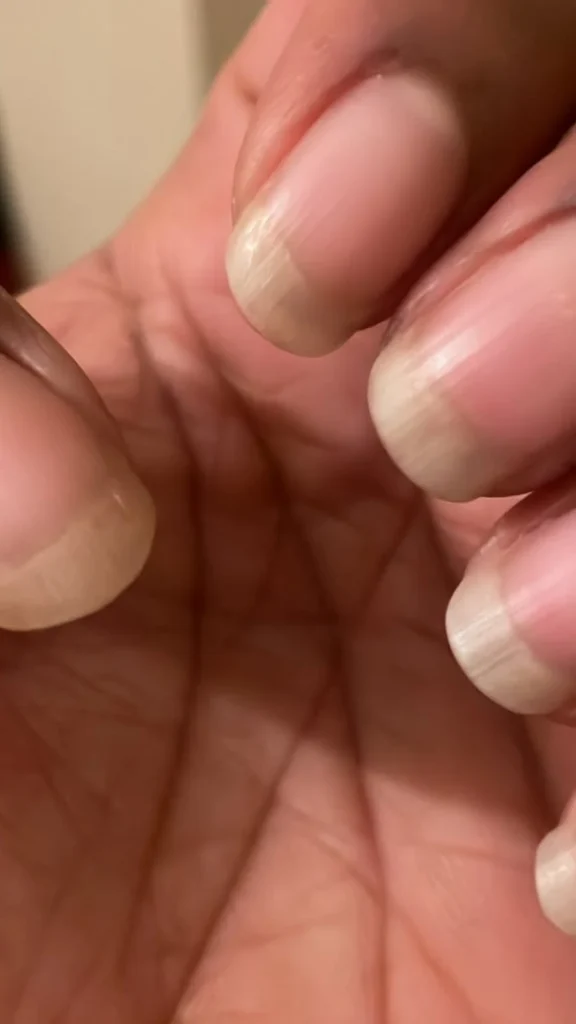
Zinc helps the body repair tissue and grow new cells, including nail cells. A shortage shows up as white spots on the nails, slow growth, and nails that peel in layers. It is not the most famous nail supplement, but for people who are low in it, the difference is noticeable.
Additional Information: Zinc is easy to get from food — pumpkin seeds, chickpeas, lentils, and meat are all good sources. If you supplement, keep the dose modest and take it with food, because zinc on an empty stomach can make you queasy. More is not better; very high doses block copper absorption.
5. Vitamin D: The Sunshine Link
Vitamin D is best known for bones, but it also plays a part in how skin and nails grow. Low vitamin D is common — especially in winter, or for people who spend most of the day indoors — and it often comes with brittle nails and slow growth.
Additional Information: A blood test tells you where you stand, and the fix is usually simple: a daily low-dose supplement through the darker months. Vitamin D is fat-soluble, so take it with a meal that has some fat — breakfast with eggs or yoghurt, for example — and it absorbs far better.

6. Omega-3s: Flexibility From the Inside
Omega-3 fatty acids — the healthy fats in oily fish, flaxseed, and walnuts — keep the nail plate flexible instead of dry and snappy. Nails that bend a little instead of cracking are usually well-moisturised from the inside, and omega-3s help with exactly that, while also calming inflammation around the nail bed.
Additional Information: If you eat oily fish twice a week, you may not need a supplement at all. A fish oil or algae oil capsule is the easy alternative if you do not eat fish. Take it with your largest meal to avoid the fishy aftertaste, and give it a couple of months.
7. Vitamin E: The Protector
Vitamin E is an antioxidant: it protects nail cells from the daily damage of sun, chemicals, and pollution, and it helps the skin around the nails stay soft and calm. You can take it as a supplement, but it also works beautifully rubbed straight onto the nails as an oil.
Additional Information: Food is the easy route here — almonds, sunflower seeds, spinach, and avocado are all rich in vitamin E. For a quick win, pierce a vitamin E capsule and massage the oil into your cuticles at night. It softens the skin, seals in moisture, and costs almost nothing.

8. Vitamin C: The Collagen Helper
Vitamin C does not build nails directly, but without it, the body cannot make collagen properly — and collagen is what nails are made of. It also helps the body absorb iron from food, which matters if your iron is borderline. Think of it as the quiet helper that makes the other supplements work better.
Additional Information: You almost certainly get enough vitamin C from food if you eat fruit and vegetables — one orange or a handful of strawberries covers the day. A supplement only makes sense if your diet is low on fresh produce, or if you are taking iron or collagen and want them to work at their best.

9. Silica: The Old Herbal Favourite
Silica is a mineral that supports collagen formation, and it comes in two old herbal forms: horsetail extract and bamboo extract. Both are rich in silica with a long history in traditional nail care, and people who take them often report firmer nails and less splitting.
Additional Information: Silica is a slow, gentle supplement — expect two to three months before judging it. Buy from a brand you trust, check the label for the actual silica content, and skip it if you are pregnant or on medication that affects the kidneys, unless a doctor says otherwise.
10. MSM: The Sulphur Compound
MSM is a natural sulphur compound that supports the production of keratin and collagen — the two proteins that make up most of a nail. People who take it often notice faster growth, and nails that feel thicker and less likely to bend and snap.
Additional Information: MSM is usually sold as a powder or capsule, and the dose varies widely between brands, so follow the label rather than guessing. It is generally well tolerated, but start low and build up; some people take it with vitamin C, since the two support collagen in different ways.
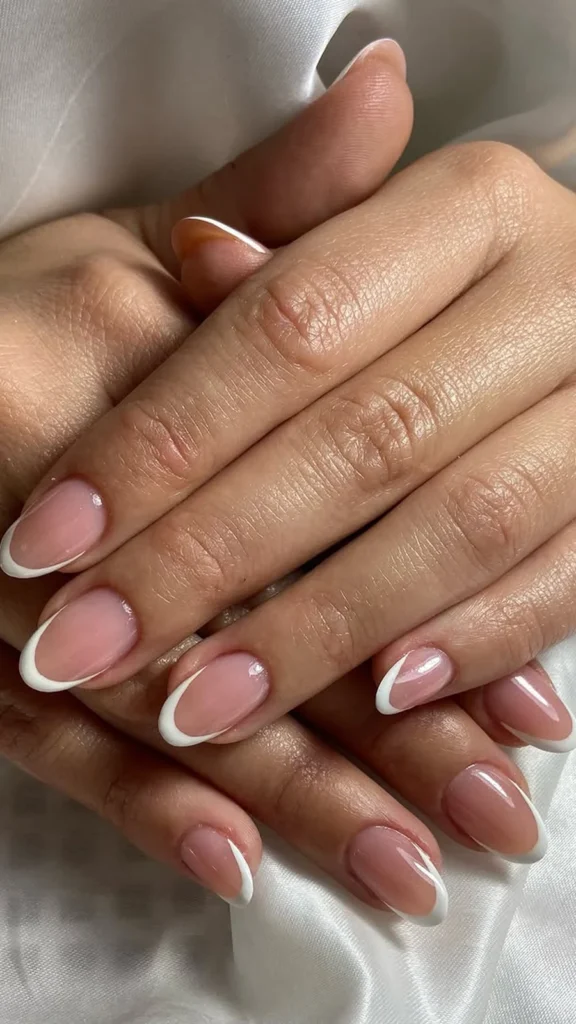
11. B-Complex: The Supporting Cast
Biotin gets all the attention, but the rest of the B family matters too. B12 supports healthy cell growth in the nail matrix, and a shortage can leave nails pale, ridged, or slow to grow. Folate and B6 play smaller supporting roles, and a B-complex covers the whole group in one capsule.
Additional Information: B12 deserves special attention if you eat little or no animal products, because plants do not provide it. A simple blood test shows whether you are low. B vitamins dissolve in water, so take them in the morning with breakfast — the body uses what it needs and lets the rest go.
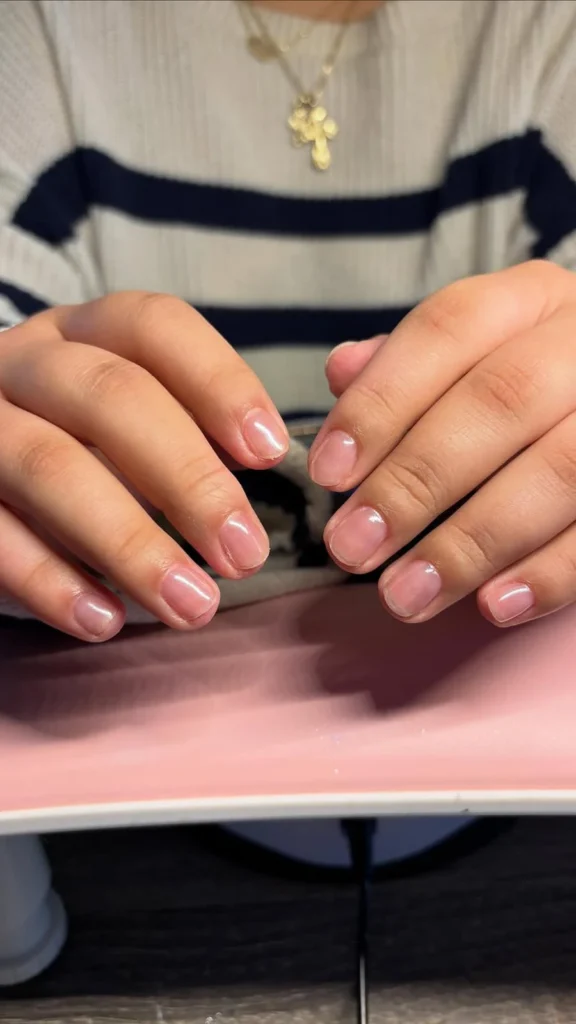
12. Protein: The One People Forget
Nails are almost entirely keratin, which is protein. If your diet is low in protein, your nails are one of the first places it shows — slow growth, thin plates, constant breakage. No supplement on the shelf can make up for a diet that does not give the body enough protein to build with.
Additional Information: Most adults need roughly a palm-sized portion of protein at each meal — eggs, lentils, yoghurt, chicken, fish, or beans all count. A protein powder can help on busy days, but it is a convenience, not a cure. If your nails are weak and your meals are mostly bread and tea, fix the plate first.
How to Build Your Routine in Five Steps
You do not need all twelve of these. A good routine is small, steady, and personal — here is how to build one that fits your life.
First, get a blood test for iron, vitamin D, and B12. It is the only way to know what you are actually missing, and it stops you buying supplements you do not need.
Second, fix the basics: protein at every meal, oily fish or flaxseed each week, fruit and vegetables every day. Supplements sit on top of this, not instead of it.
Third, pick two or three supplements that match your situation — biotin and collagen for brittleness, iron only if your levels are low, vitamin D through winter. Two or three, taken daily, beat a shelf full of bottles you forget to open.
Fourth, take them at the same time every day, with food. Morning with breakfast is the easiest habit to keep, and most of these absorb better with a meal anyway.
Fifth, wait three months, then compare your dated photo with your nails now. The new growth near the cuticle is the honest evidence. Keep what works, drop what does not.
Additional Information: Write your routine down — what you take, the dose, and the date you started — on a card inside a kitchen cupboard. At the three-month check, you will know exactly what changed and why, instead of guessing.
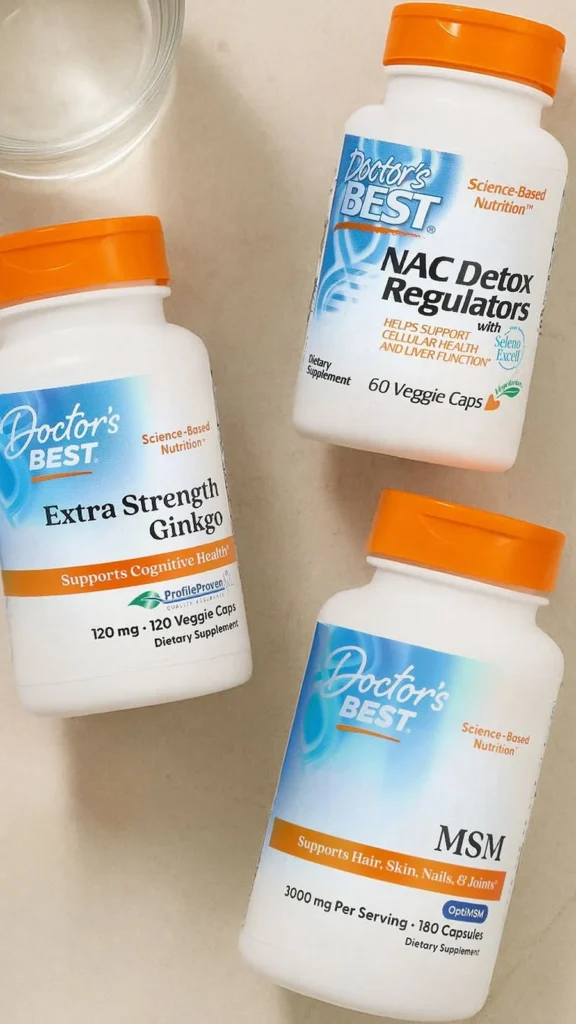
What to Skip (or Think Twice About)
Not everything on the nail shelf is worth your money. Mega-dose “hair, skin and nails” gummies often contain far more biotin than you need, plus sugar and a dozen other ingredients in doses too small to matter. You are paying for the packaging.
“Detox” blends and nail cleanses have no evidence at all — your liver does the detoxing, and no pill speeds up nail growth by flushing anything out. Any product that promises visibly stronger nails in a week is not being honest about how nails grow.
Be careful with combinations, too. Several supplements at once can quietly add up: zinc and iron compete for absorption, high-dose calcium can block iron, and herbal blends can interact with medicines. If you take prescription medicine, or you are pregnant, ask a doctor or pharmacist before adding anything new.
How Long Before You See Anything?
This is the question everyone asks, and the answer is the same every time: about three months for a real change, six months for the full picture. Fingernails grow around three millimetres a month, so the new, stronger nail has to travel all the way from the matrix to the tip before you can see the whole result.
That slow timeline is actually good news. It means the change, when it comes, is real — built into the nail itself, not painted on. Take your photo on day one, keep the routine simple, and check again at three months. The new growth at the cuticle shows it first: smoother, firmer, and less likely to peel.
FAQ
Do nail supplements really work?
They work when they fill a real gap. Biotin helps brittle nails, iron helps when iron is low, collagen helps when the body is making less of it. They are not magic — and they cannot fix damage from biting, harsh removers, or constant gel.
Which supplement is best for brittle nails?
Biotin is the best-studied choice for brittleness, and collagen is a strong second. Take one of them daily for three months and judge by the new growth, not by the old nail.
Can I take biotin and collagen together?
Yes. They work in different ways — biotin supports keratin production, collagen supplies the building blocks — and many people take both. Add vitamin C and they work better still.
Will supplements make my nails grow faster?
A little, sometimes. If a deficiency was slowing growth, fixing it returns growth to its normal speed — but no supplement pushes nails far beyond their natural pace of about three millimetres a month.
Are nail supplements safe?
Most are safe at normal doses for healthy adults. The exceptions matter: take iron only if a test shows you are low, and high-dose biotin can affect some blood test results. When in doubt, ask your doctor first.
How long should I take them?
Give any nail supplement three months before deciding. If the new growth looks stronger, keep going. If nothing has changed, stop.
Conclusion
Strong nails are built slowly, from the inside out, and supplements are only one part of that. The honest version is simple: eat well, protect your nails from damage, check what you are actually missing, then pick two or three supplements that match your situation.
Biotin and collagen are the safest starting point for most people. Iron, B12, and vitamin D matter most when a test shows you are low. And protein — plain, ordinary protein at every meal — is the foundation everything else sits on.
Start today, take your photo, and check back in three months — your nails will tell you the truth.


Leave a Reply